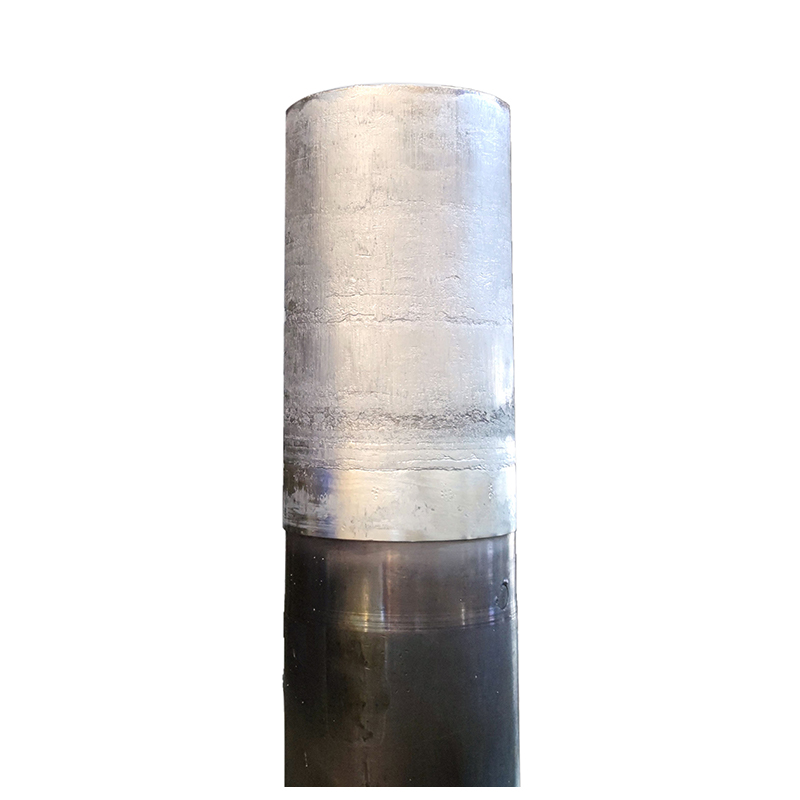
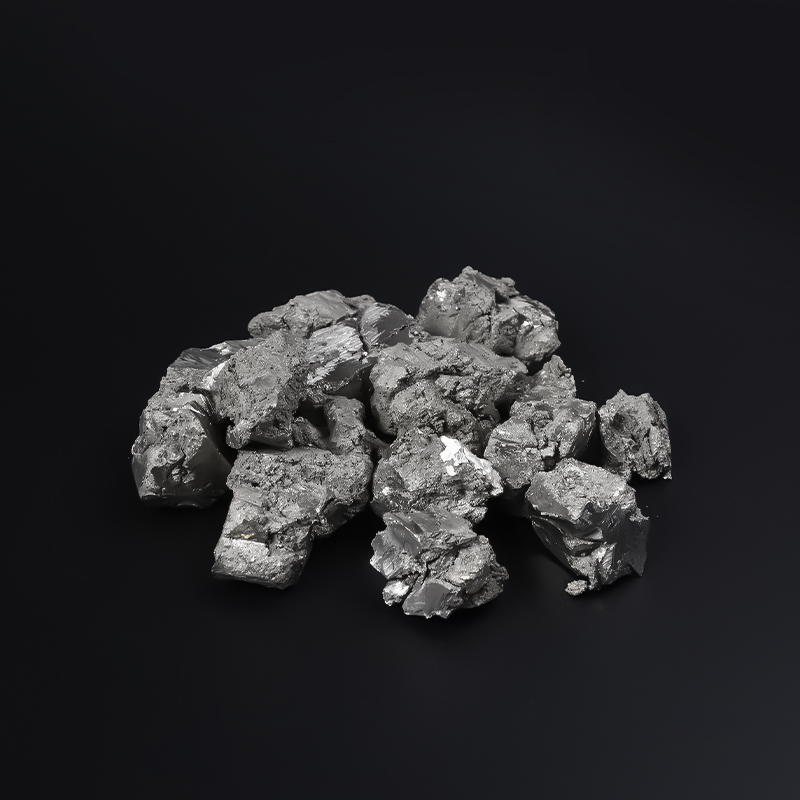
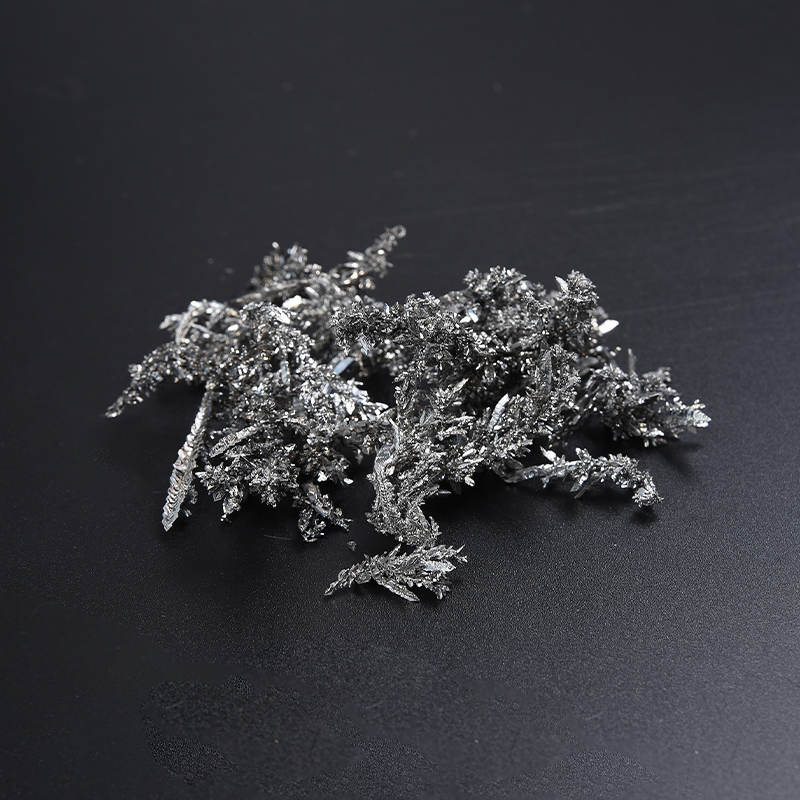
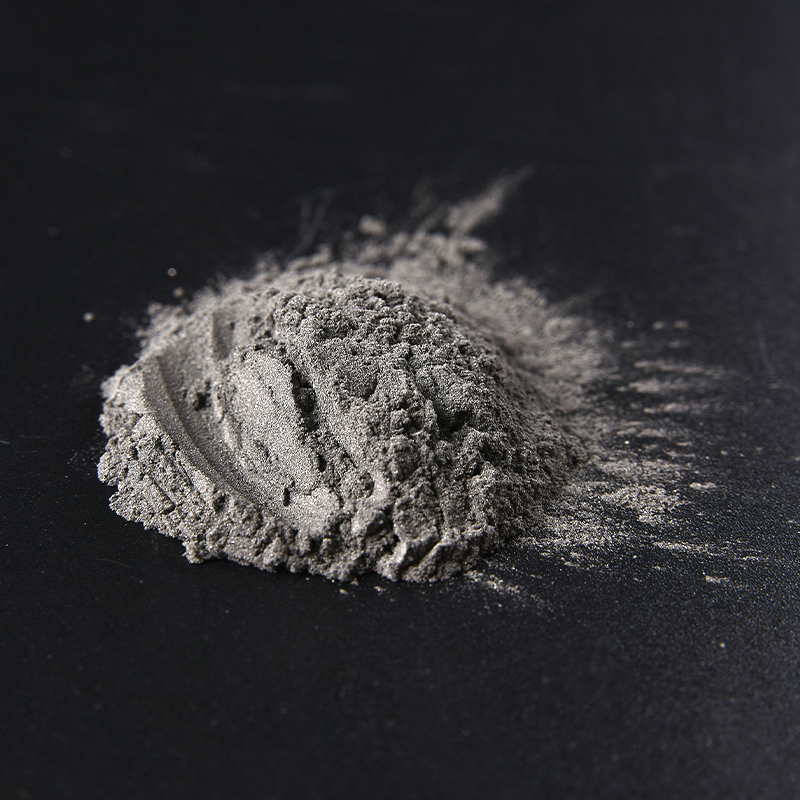
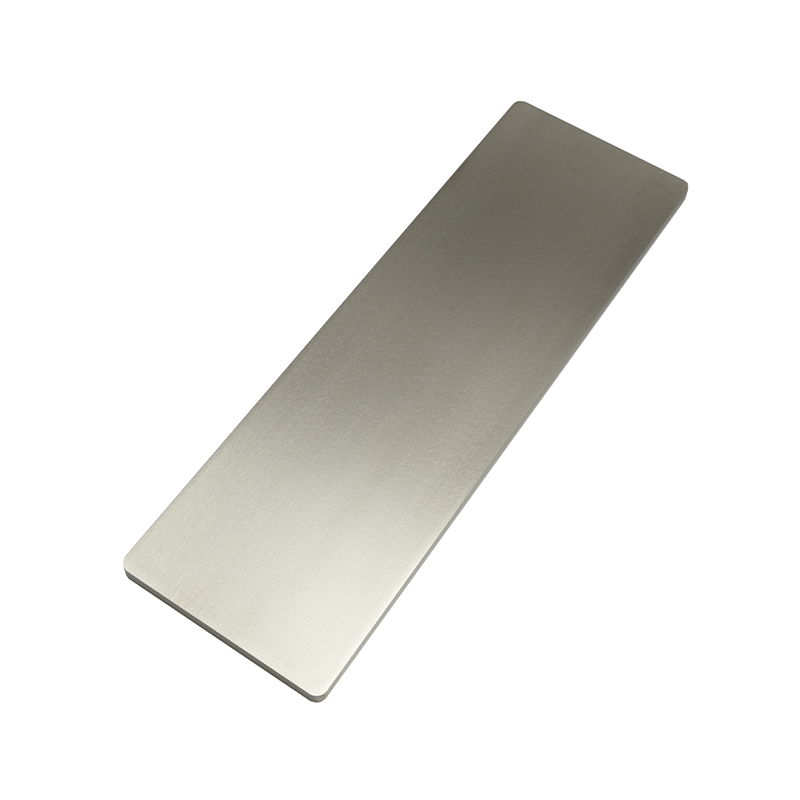
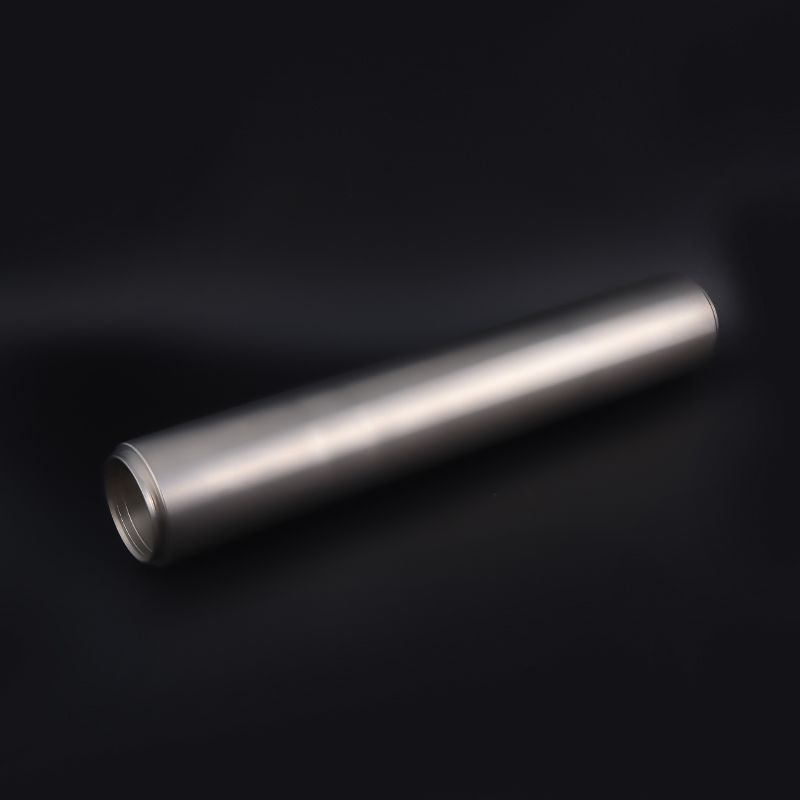
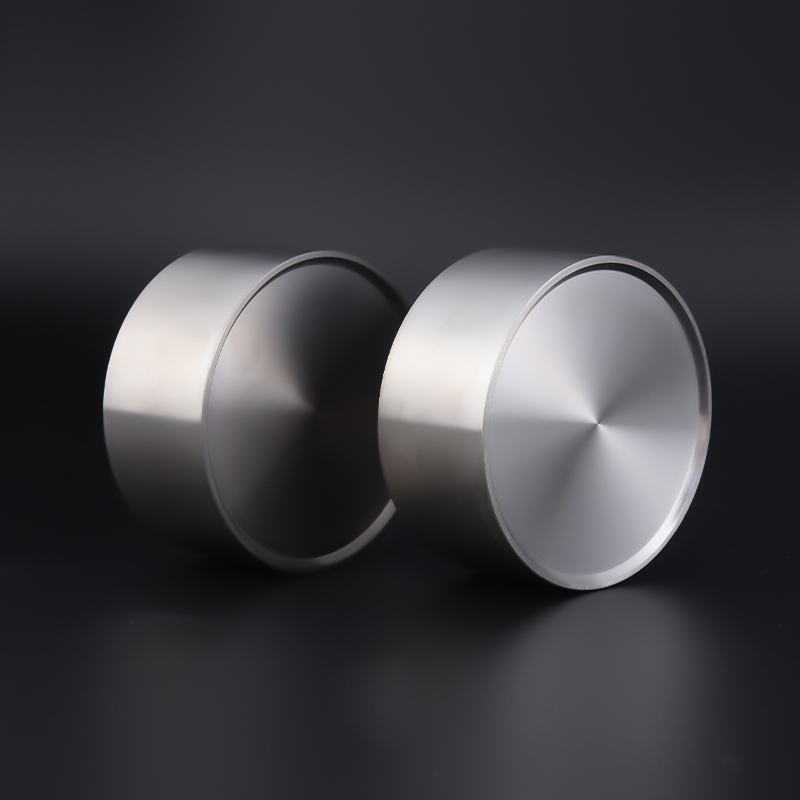
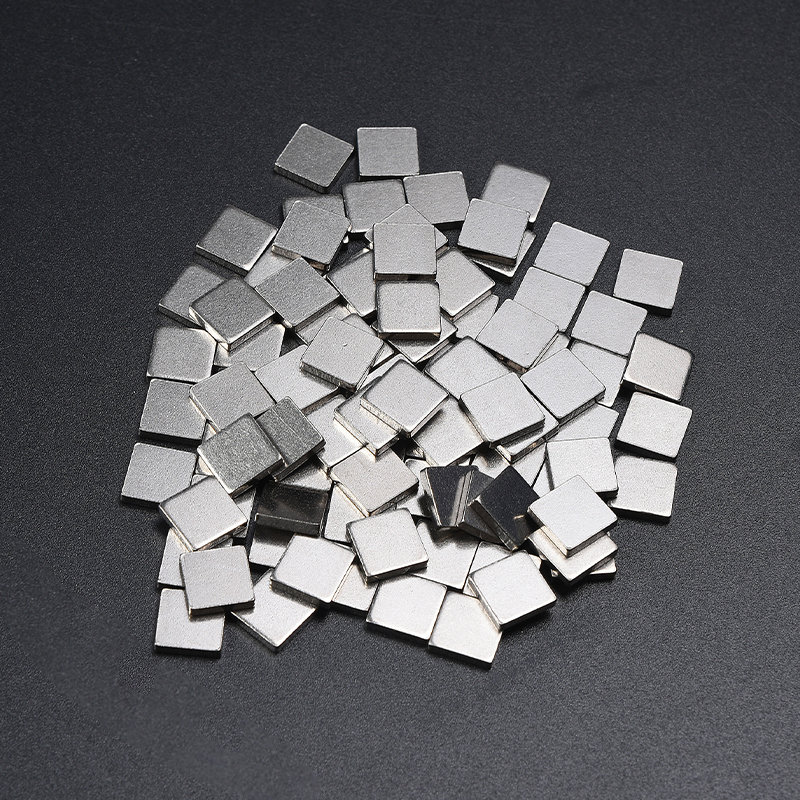
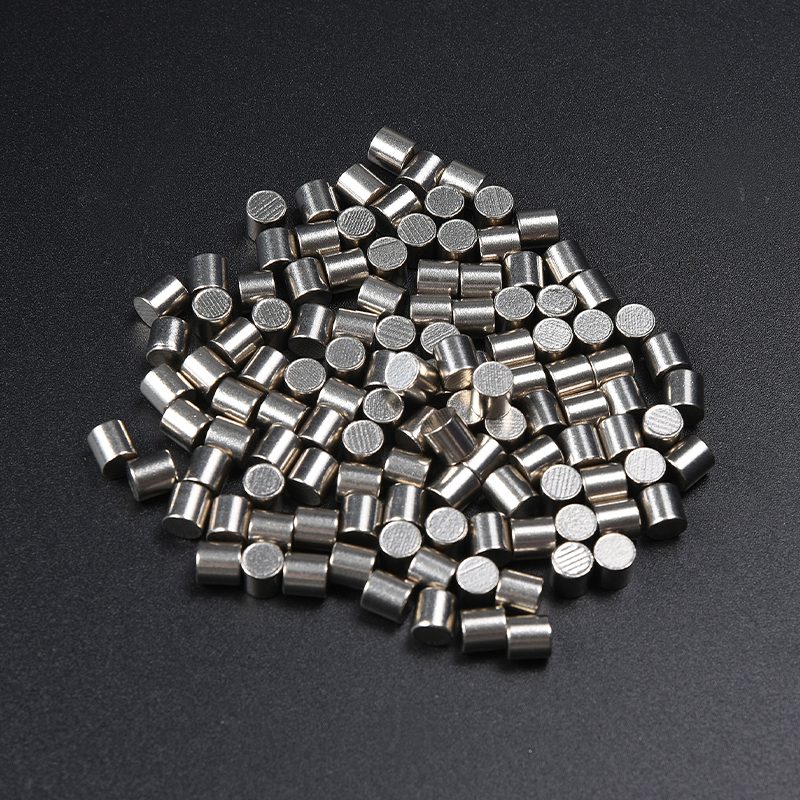
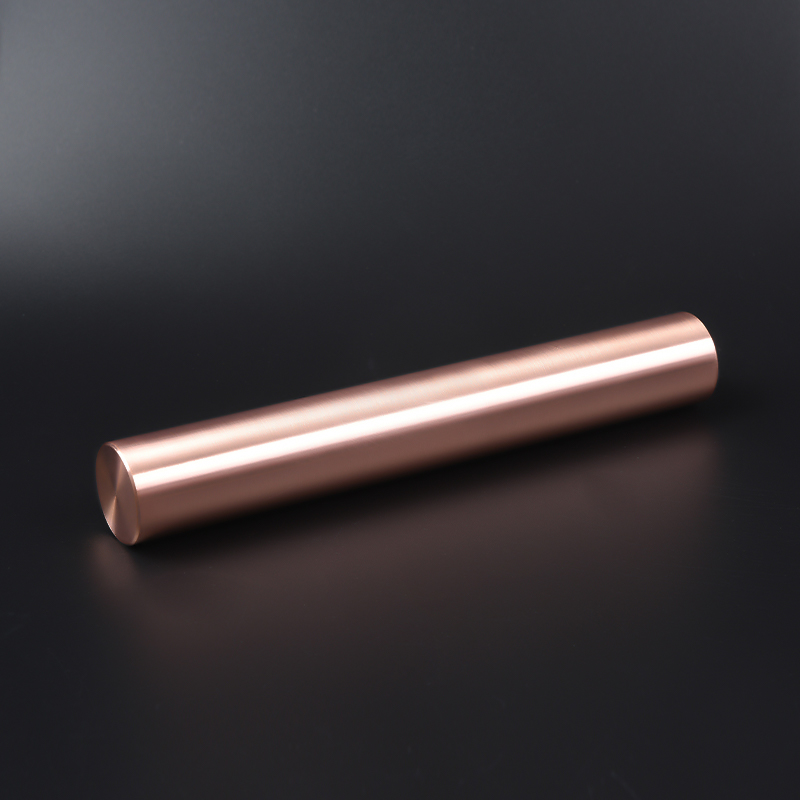
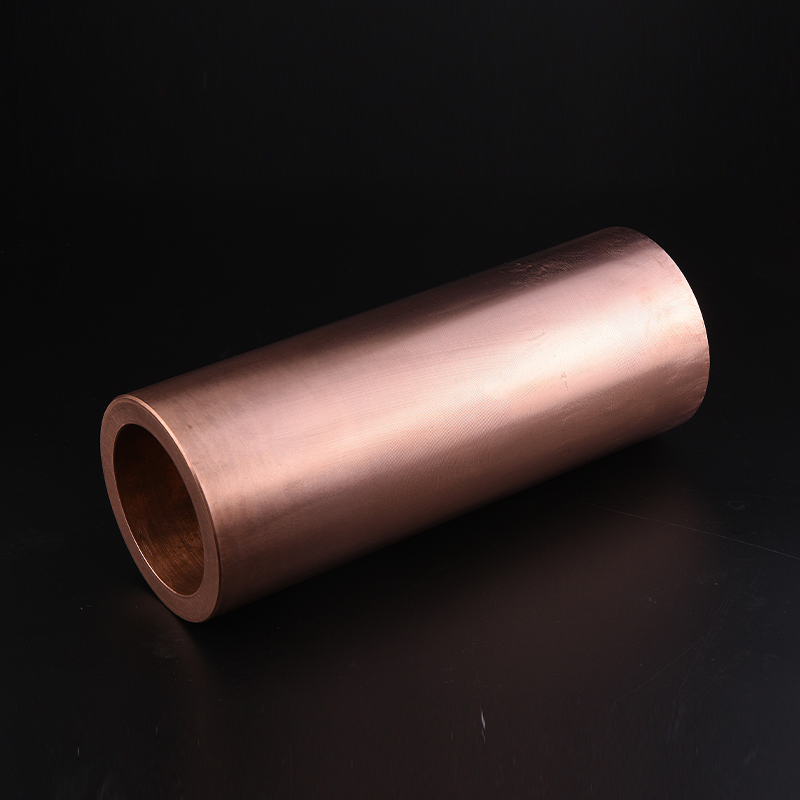
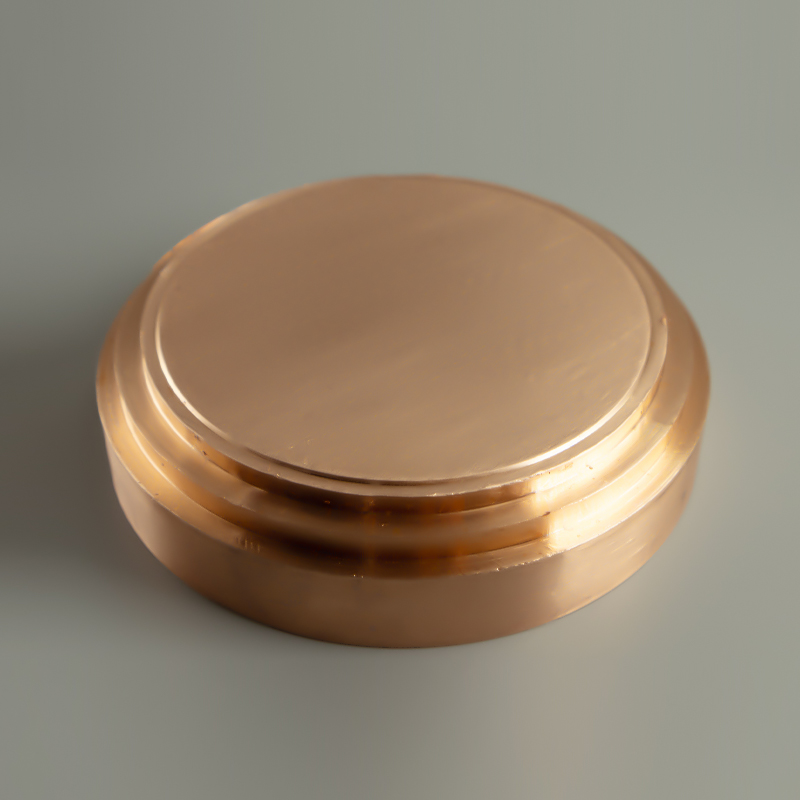
Cobalt ingots are high-purity cobalt metals refined and purified through pyrometallurgical or hydrometallurgical processes and then cast into a specific shape (usually a trapezoidal block). They are a fundamental form of cobalt metal for trade and downstream processing, characterized by stable composition, ease of storage, transportation, and metering.
Key Characteristics and Key Points:
1. Physical Form:
They are typically silver-gray metal blocks with a slight pink hue.
The surface may exhibit a slight iridescence or darkening due to oxidation.
The standard shape is often trapezoidal (similar to a "boat" or "brick"), and weights vary (e.g., 1 kg, 5 kg, 10 kg, or larger).
2. Chemical Composition:
High purity is their primary value. Typical commercial cobalt ingots require extremely high purity, with a minimum cobalt content typically exceeding 99.8% (e.g., Co 99.8%, as specified in ASTM B777 or Co 9998 in China's national standard GB/T 6518). Higher grades, such as 99.98% Co, are also common.
Strict Impurity Control: The content of key impurity elements (such as carbon, sulfur, phosphorus, iron, nickel, copper, manganese, and silicon) is strictly limited to extremely low levels (ppm level) to meet the performance requirements of various high-end applications.
3. Core Physical Properties:
High Melting Point: Approximately 1495°C.
High Density: Approximately 8.9 g/cm³.
Ferromagnetism: Ferromagnetic at room temperature.
Excellent Alloying Ability: Able to form high-performance alloys with a variety of metals (such as nickel, chromium, tungsten, aluminum, and iron).
4. Key Applications:
High-Temperature Alloy Manufacturing: Cobalt is a key component in the manufacture of high-temperature alloys (such as cobalt-based superalloys) used in the hot-end components of aircraft engines and gas turbines, providing high-temperature strength, creep resistance, and hot corrosion resistance. Lithium-ion Battery Cathode Materials: Lithium cobalt oxide (LiCoO₂) and ternary materials (such as NMC and NCA) are key components of cathode materials for high-end lithium-ion batteries, particularly in consumer electronics and electric vehicles. Cobalt stabilizes the structure and increases energy density.
Cemented Carbide: As a binder, cobalt firmly bonds tungsten carbide particles, imparting the toughness, impact resistance, and high strength required for cemented carbide (used in cutting tools, wear-resistant parts, etc.).
Catalysts: Cobalt is used as a catalyst or a key component in petrochemicals (such as hydrodesulfurization) and chemical synthesis (such as Fischer-Tropsch synthesis).
Magnetic Materials: Used in the manufacture of high-performance permanent magnet alloys (such as AlNiCo).
Specialty Steels and Wear-Resistant Alloys: Improve the hardness, wear resistance, and high-temperature performance of tool steels and high-speed steels.
Pigments (such as cobalt blue) and ceramic glazes.
5. Production and Standards: Cobalt is primarily extracted and refined from byproducts of copper and nickel smelting or from independent cobalt ores. The production process typically includes leaching, purification and impurity removal, electrolytic deposition or reduction smelting, and final casting.
Production and quality control strictly adhere to international standards (such as ASTM B777) or national standards (such as China's GB/T 6518).
6. Storage and Transportation Precautions:
Store in a dry, well-ventilated warehouse, away from corrosive substances such as acids and alkalis.
Although relatively stable, the surface may slowly oxidize after long-term exposure to air. Storage in non-extreme environments is generally recommended.
During transportation, avoid violent impact and rain.

 English