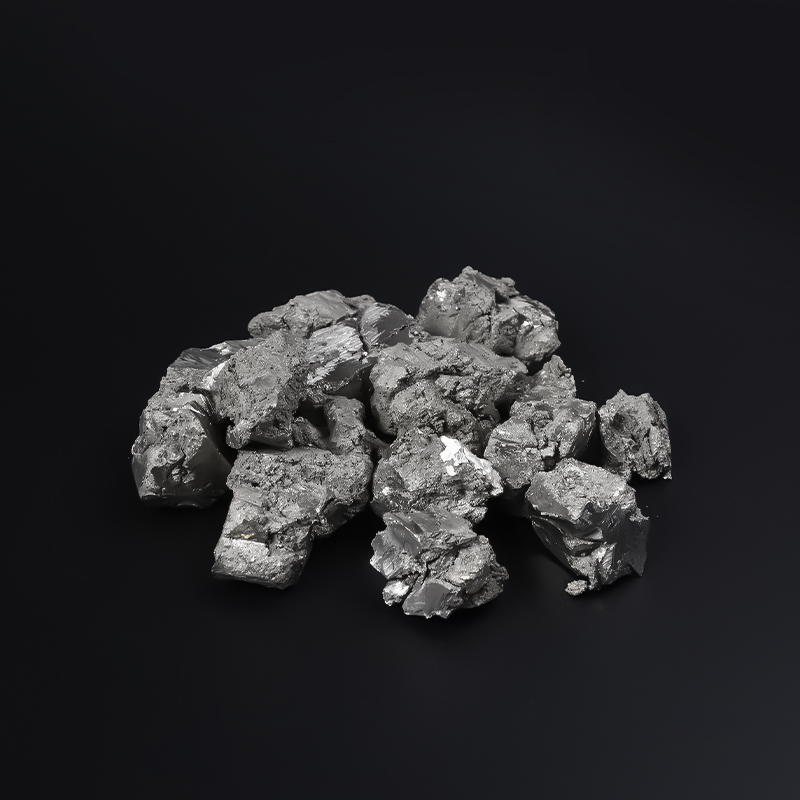
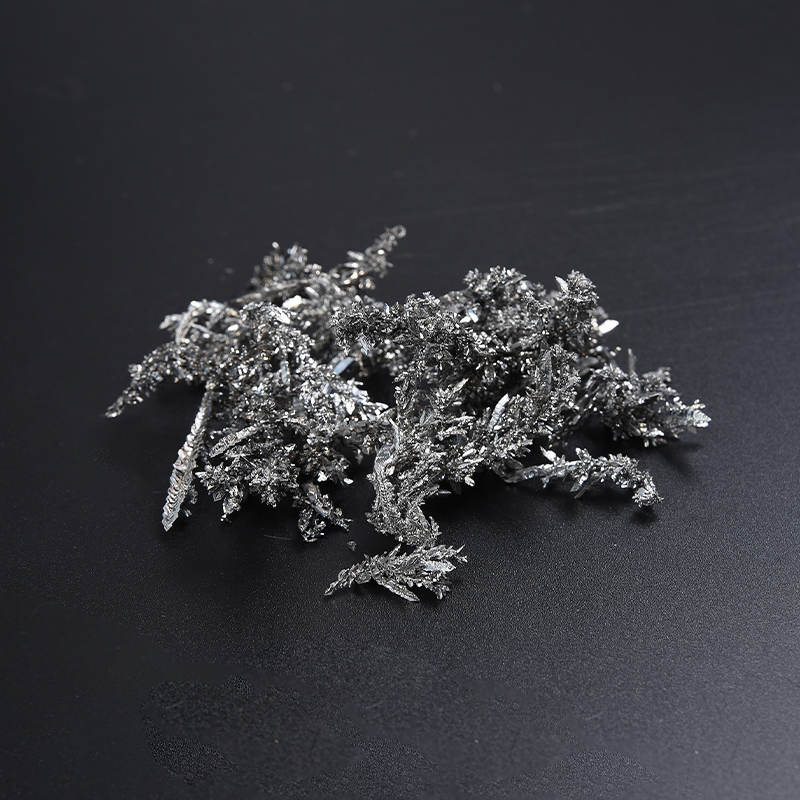
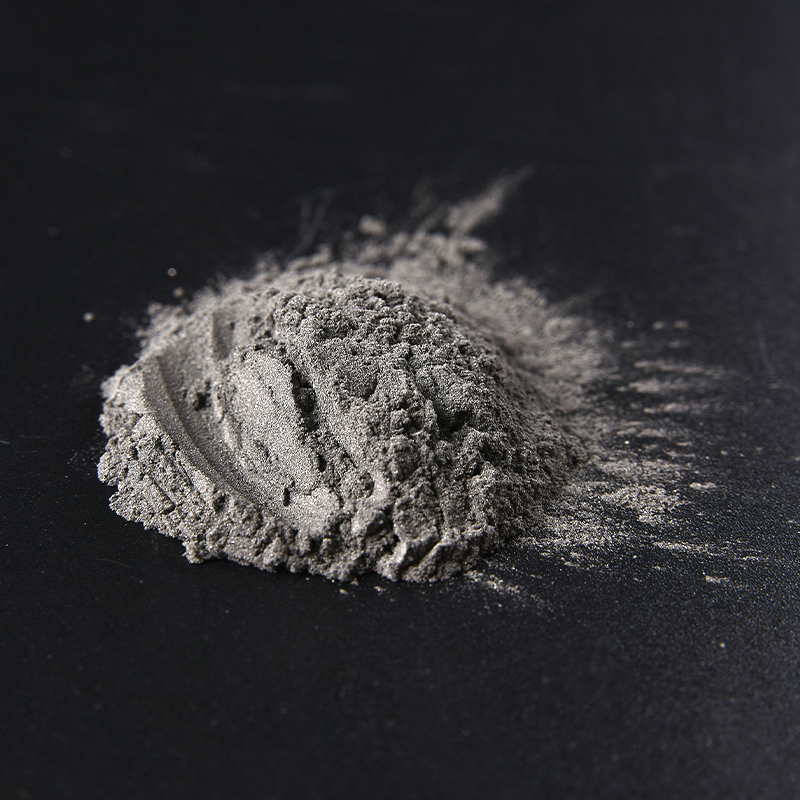
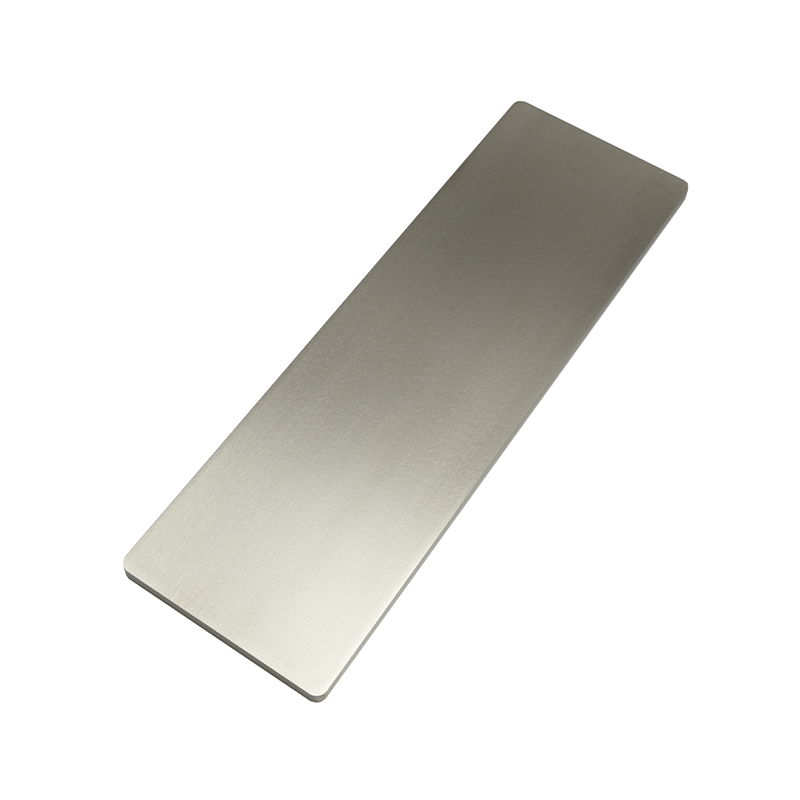
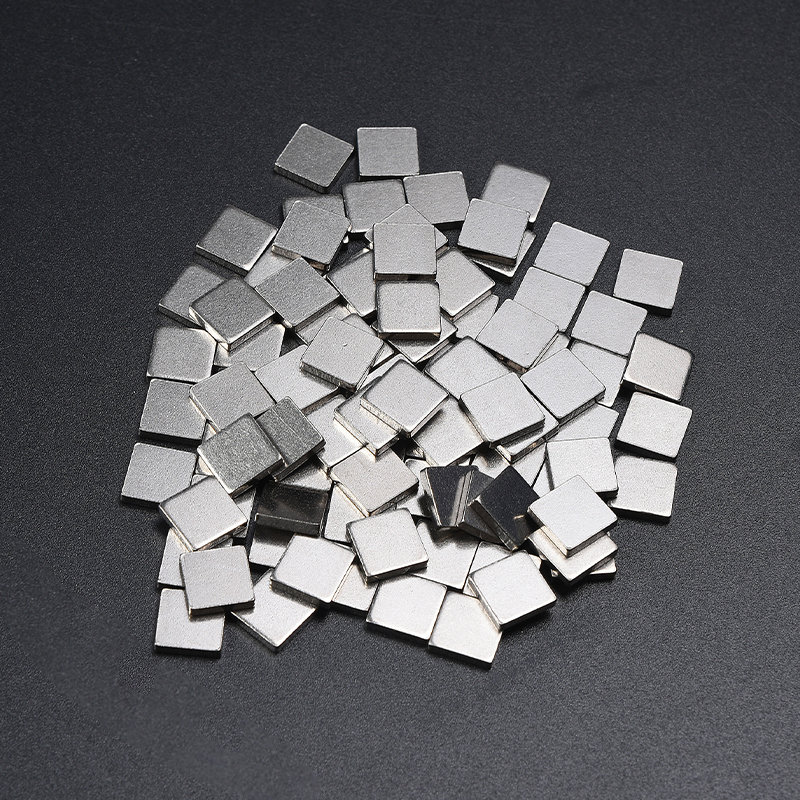
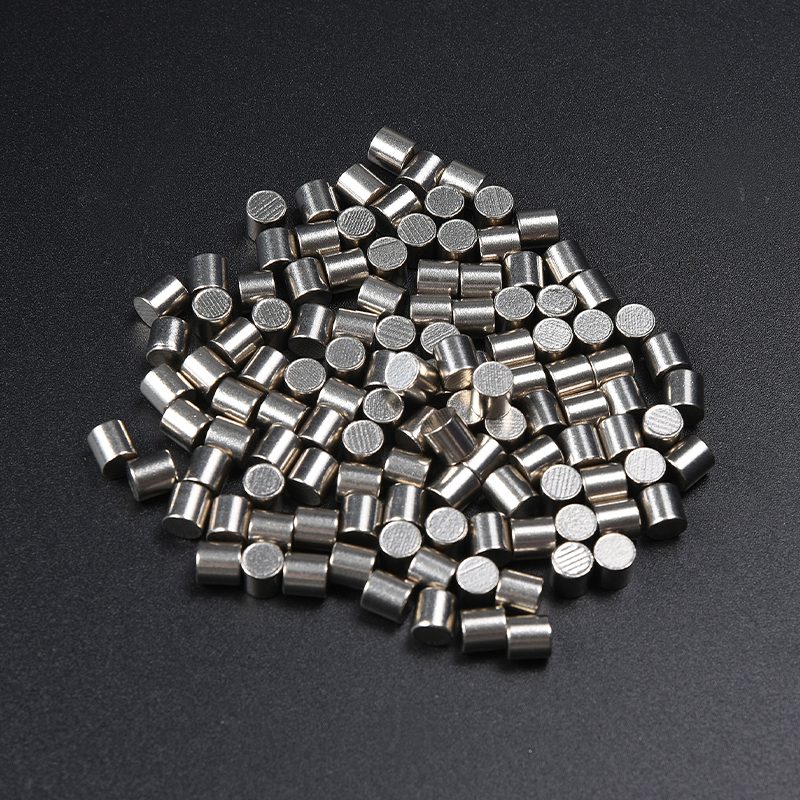
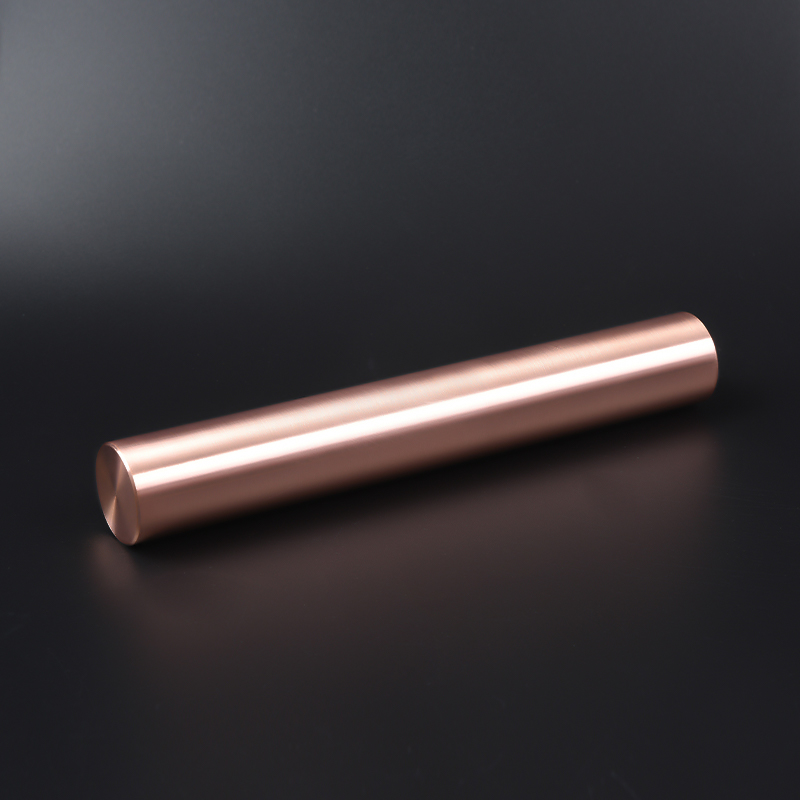
Titanium sponge is a porous, sponge-like titanium metal produced by the Kroll process through the magnesium-thermal reduction of titanium tetrachloride (TiCl₄). It is the most fundamental primary form in the titanium production chain, providing the core raw material for subsequent melting and casting into ingots, billets, and materials.
▸Typical Purity: 99.8% to 99.95%. This purity range is the benchmark requirement for aerospace-grade titanium alloy smelting and directly affects the mechanical properties and corrosion resistance of the final product.
▸Maximum Size: Customizable. The physical specifications of the sponge blocks or briquettes can be flexibly adjusted to meet the charging requirements of downstream melting equipment (such as vacuum consumable arc furnaces (VARs)).
▸Maximum Unit Weight: Customizable. This meets the batch requirements of melting furnaces of varying sizes and optimizes production efficiency.
▸Packaging: Sealed galvanized steel drums filled with inert gas (argon). Argon gas isolation effectively prevents oxidation and nitridation contamination of titanium sponge during storage and transportation; the galvanized barrel provides mechanical protection and blocks ambient moisture, ensuring the material's chemical stability.
▸Core Applications:
• Semiconductor Manufacturing: Used for depositing high-purity titanium thin films (PVD/CVD), a key material for wafer metallization layers and diffusion barriers, meeting the stringent requirements of cleanroom processes for controlling impurity ions.
• Aerospace: Melted into high-performance titanium alloys (such as Ti-6Al-4V), used in aircraft engine compressor components, fuselage structural parts, and load-bearing components of spacecraft, relying on their high specific strength, heat resistance, and fatigue resistance.

 English