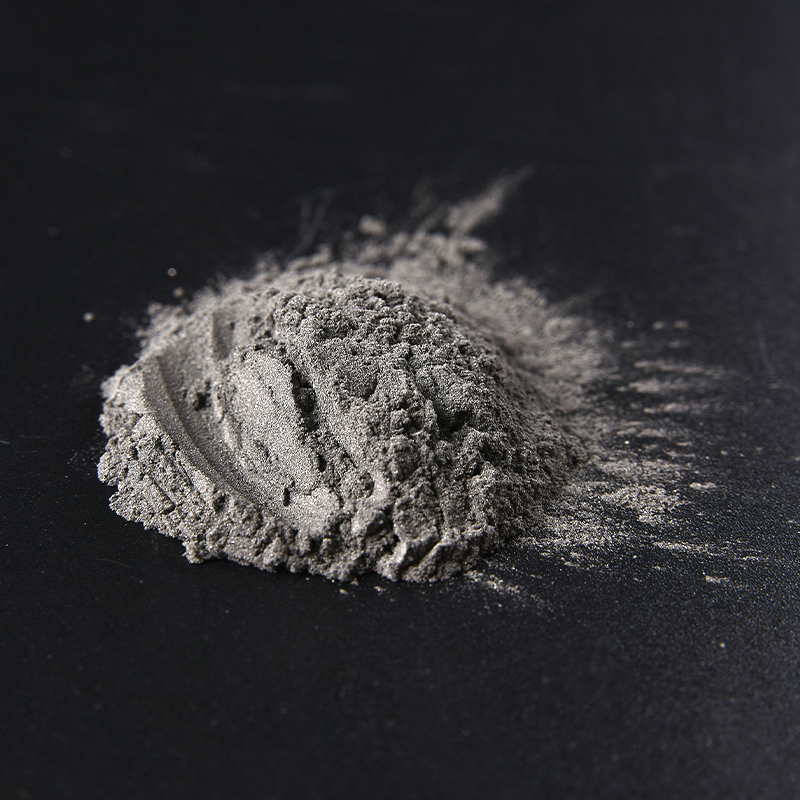
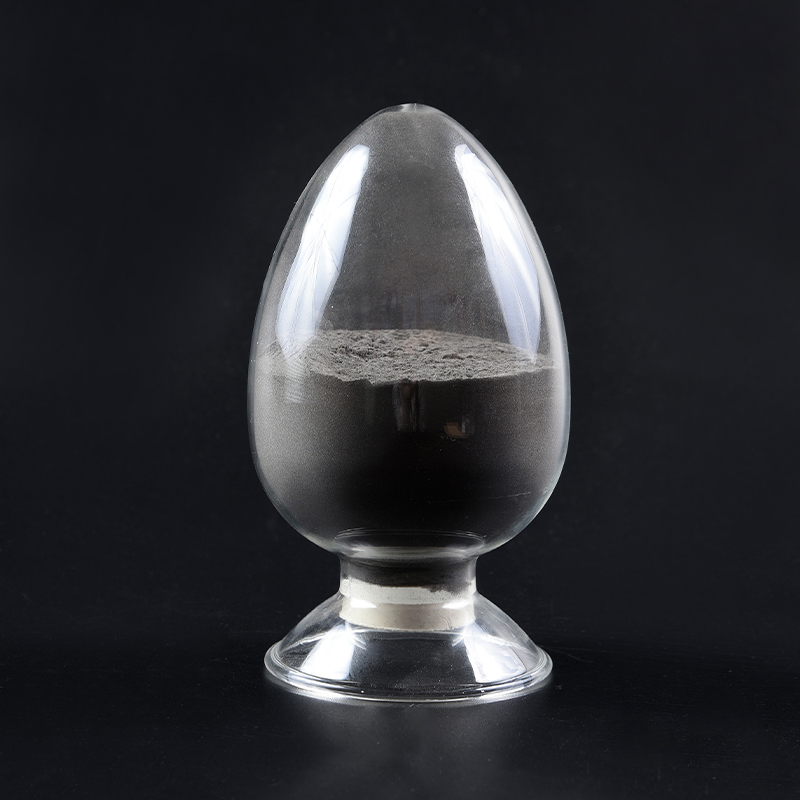
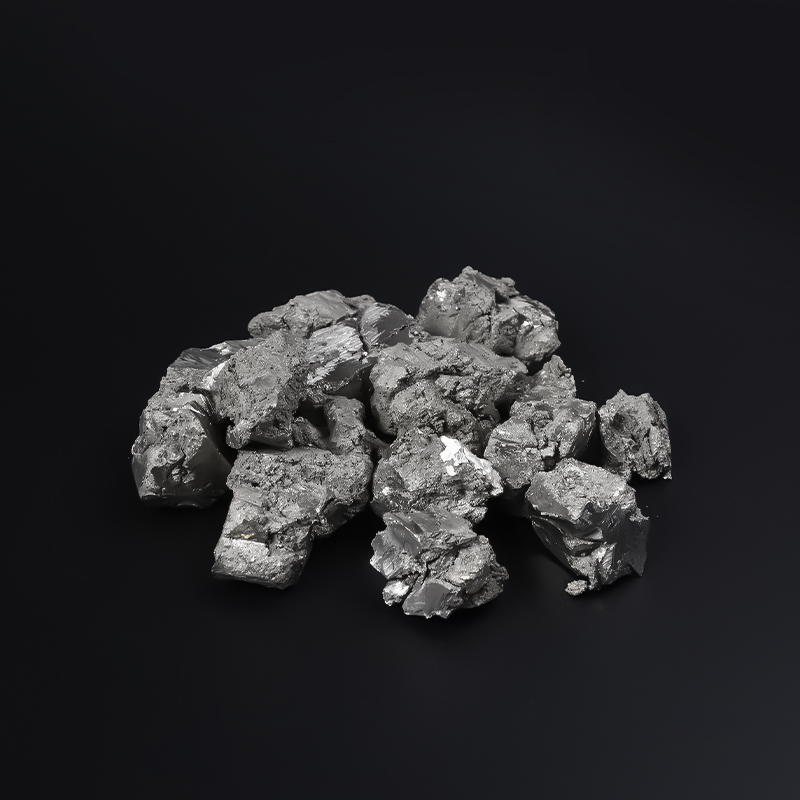
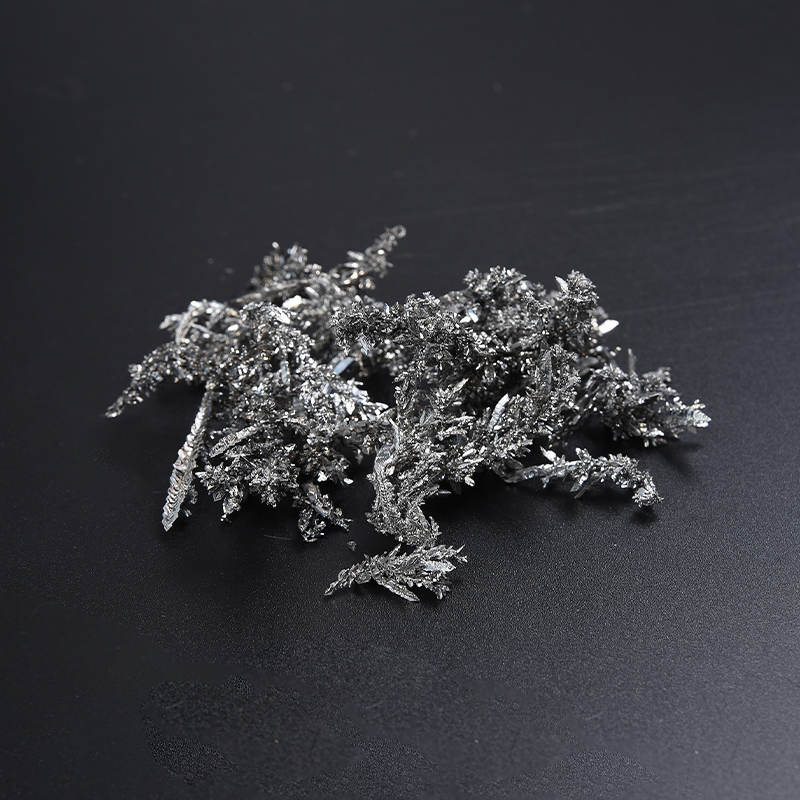
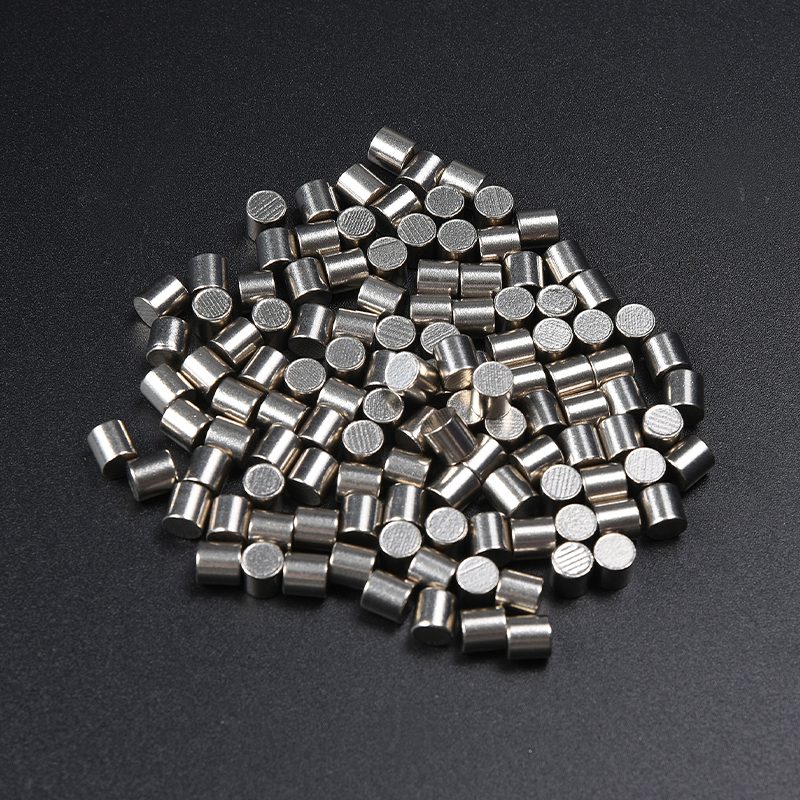
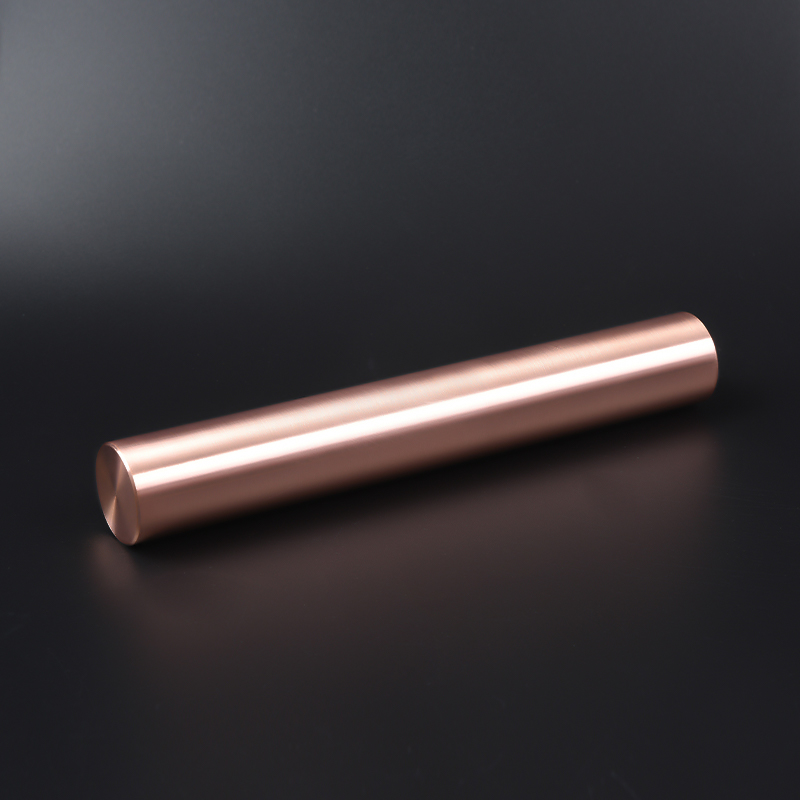
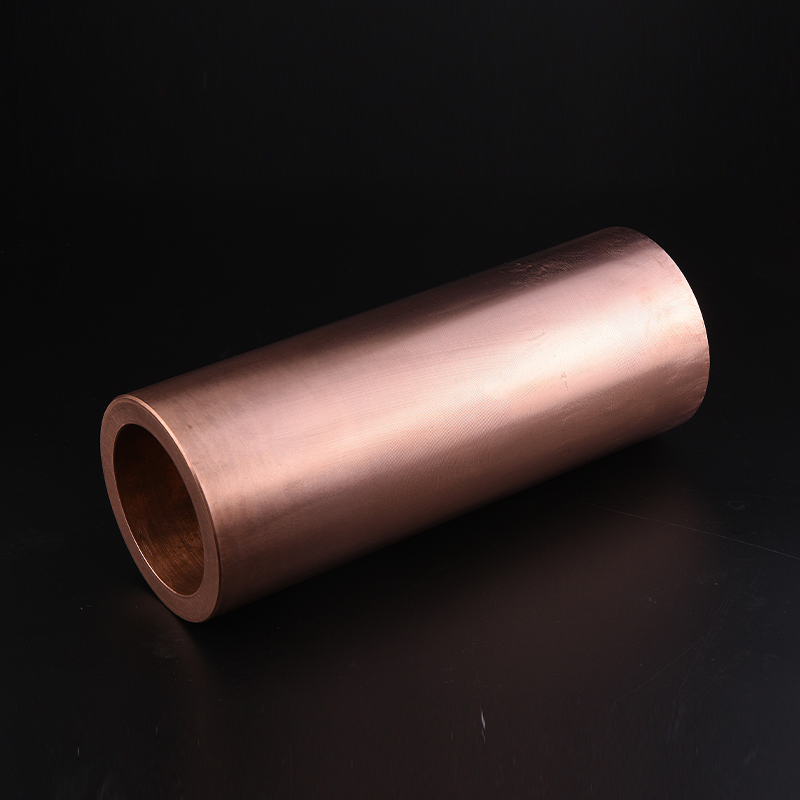
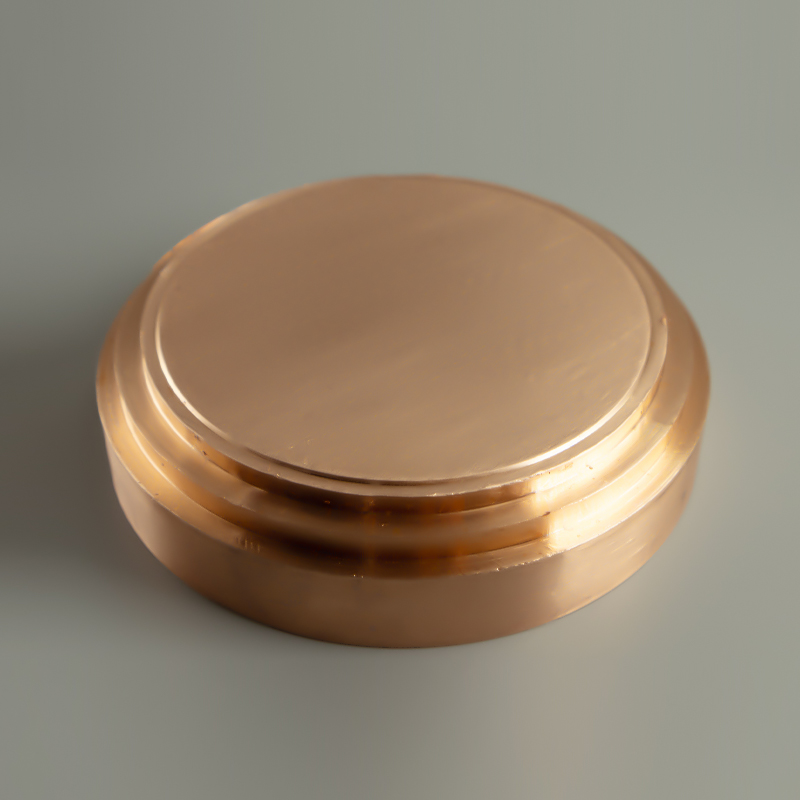
Titanium powder is a fine powder material produced from high-purity titanium metal through specialized processes (such as gas atomization and plasma rotating electrode methods). It combines the excellent properties of titanium metal with the plasticity of its powder form, making it a key raw material in advanced manufacturing.
Core Characteristics and Application Parameters:
1. Purity Grade: Available in a variety of grades ranging from 99.8% to 99.99% (2N8 to 4N). Ultra-high purity (≥99.95%) powders are particularly suitable for impurity-sensitive applications, such as critical aerospace components, high-performance sputtering targets, and high-purity alloys, ensuring the chemical stability and mechanical properties of the final product.
2. Particle Size Distribution: Customized production is supported. Powder particle size ranges can be precisely controlled to meet downstream application requirements (for example, 15-53μm is commonly used for 3D printing, <20μm for MIM, and submicron powders may be required for spraying or chemical additives). Specific particle size distributions (such as normal and narrow distributions) are also available to meet the stringent requirements of different processes (such as powder flowability, packing density, and sintering activity).
3. Packaging: Standard double-layer vacuum packaging is used. The inner layer is an anti-static aluminum foil bag, effectively isolating oxygen and moisture; the outer layer is a high-strength, moisture-proof, and puncture-resistant composite bag or iron drum. This ensures that the powder maintains a low oxygen content (<100ppm) during transportation and storage, preventing oxidation and contamination, and maximizing powder activity.
▸Main Applications:
1. Additive Manufacturing (3D Printing): Selective Laser Melting (SLM), Electron Beam Melting (EBM), and other processes are used to manufacture complex, lightweight aerospace structures (engine components, stents) and biomedical implants (bone joints, tooth roots).
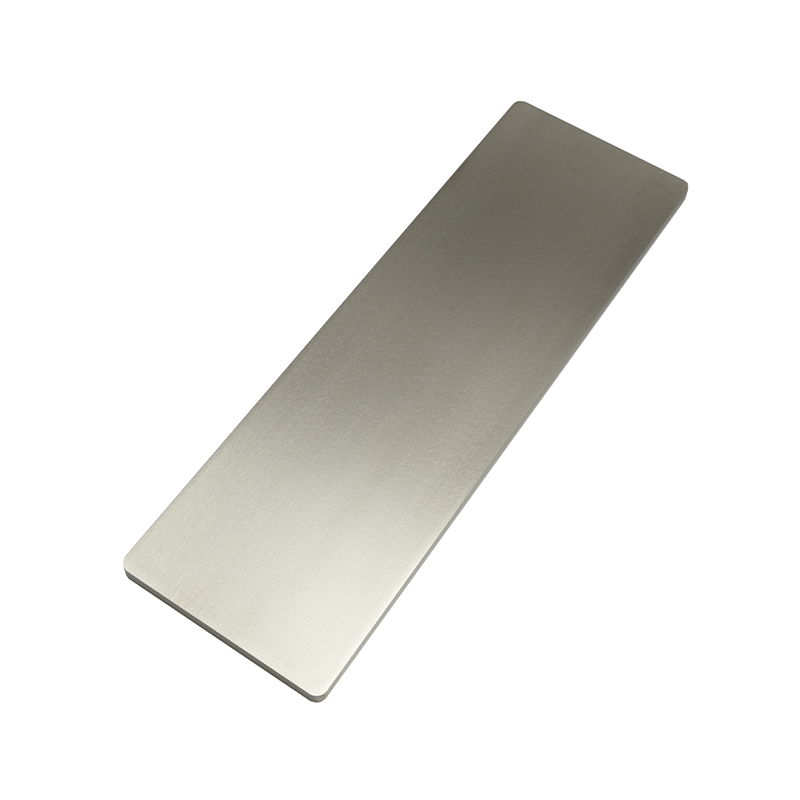
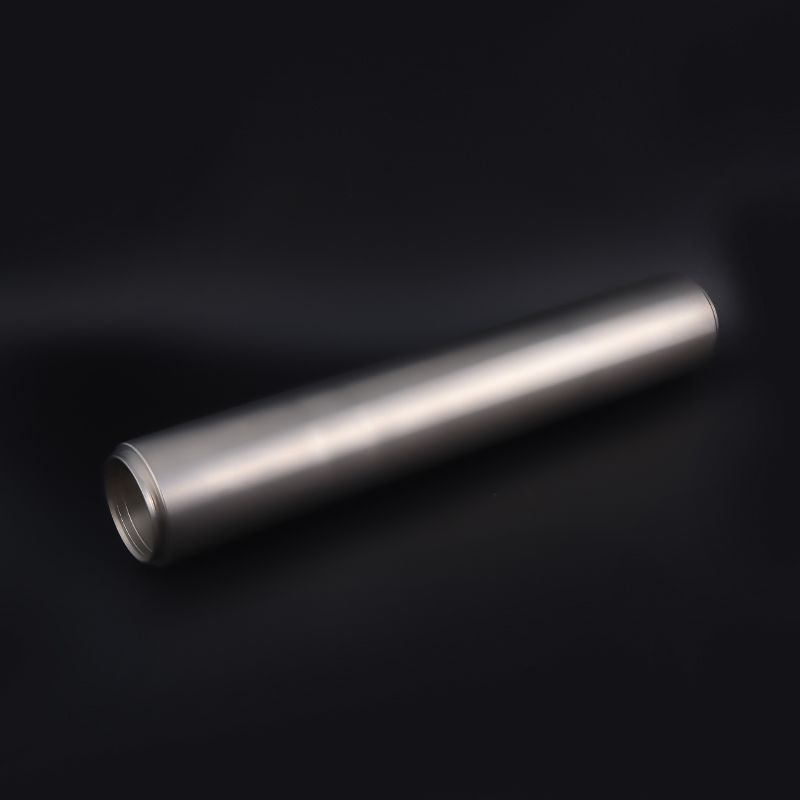
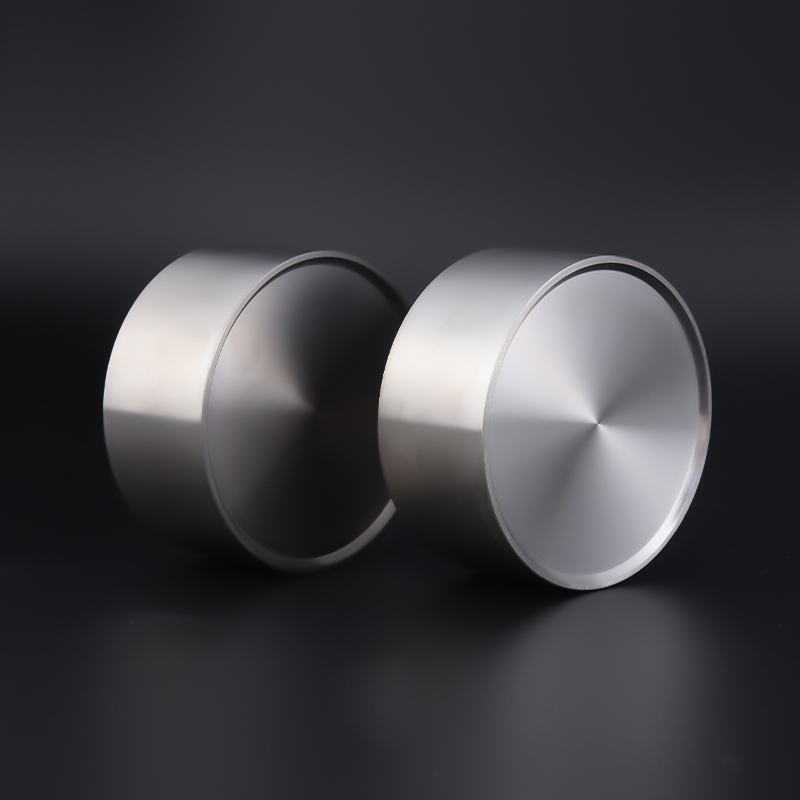
2. Target Manufacturing: Used to prepare planar and rotary sputtering targets for physical vapor deposition (PVD) in applications such as microelectronics, display panels, decorative coatings, and optical coatings.
3. Metal Injection Molding (MIM): Used to produce large-scale, complex, high-precision, and tiny titanium alloy parts (such as watch cases, medical device parts, and firearms components), achieving near-net-shape shapes.
4. Powder Metallurgy (PM): High-performance titanium alloy near-net-shape components (such as valve bodies, pump components, and automotive parts) are manufactured through processes such as pressing and sintering and hot isostatic pressing (HIP), achieving high material utilization.
5. Thermal Spray Coatings: Used to create corrosion-resistant, wear-resistant, or biocompatible coatings (such as surface treatments for chemical equipment, offshore platforms, and medical devices).

 English