English
Which Emerging Applications Are Reshaping the Niobium Market in 2026?
Content
- 1 Why Superconducting Technology Is Pulling More Niobium Into 2026 Budgets
- 2 How High Purity Niobium Supports Semiconductor and Sputtering Target Production
- 3 Which Aerospace and Superalloy Applications Are Expanding Niobium Use
- 4 What the 5N, 6N, and 7N Purity Grades Mean for Niobium Buyers
- 5 Related High Purity Metal Products
- 6 How to Evaluate a Niobium and High Purity Materials Supplier
- 7 Where Niobium Demand Is Headed Next
The 2026 niobium market is being reshaped by three converging forces: rising consumption of niobium-titanium wire for superconducting magnets, expanding use of niobium sputtering targets and evaporation materials in semiconductor fabrication, and steady growth in niobium-bearing superalloys for aerospace engines. Buyers who once compared suppliers mainly on price are now weighing purity traceability, batch consistency, and the ability to supply 5N, 6N, and 7N grades on demand, since these factors directly determine whether a niobium lot is usable in a fabrication line or a magnet coil.
Why Superconducting Technology Is Pulling More Niobium Into 2026 Budgets
Niobium-titanium alloy remains the workhorse conductor for magnetic resonance imaging systems, and hospital equipment upgrades continue to keep this segment stable year over year. What has changed is the parallel demand coming from large-scale physics infrastructure. Particle accelerator facilities and experimental fusion magnet programs use niobium and niobium-tin conductors because of their superconducting transition properties at cryogenic temperatures, and several of these programs have moved from design into procurement phases in 2026. A newer driver is superconducting quantum computing hardware, where niobium thin films are deposited to form resonators and qubit circuits. This application does not need bulk tonnage, but it does require exceptionally clean material, which is why interest in 6N and 7N niobium has grown even though volumes stay modest compared with steel alloying demand.
How High Purity Niobium Supports Semiconductor and Sputtering Target Production
Inside a semiconductor fab, niobium is not used as a structural metal but as a functional thin film. Sputtering targets and evaporation materials made from high purity niobium are used to deposit barrier layers, resistive films, and dielectric-related coatings on wafers. Any oxygen, carbon, or trace metal contamination in the source material can transfer directly into the film, so fabs sourcing from a semiconductor grade metals supplier typically specify 5N as the practical minimum and move to 6N for more sensitive process nodes. This is one reason niobium has followed the same purity trajectory as other target metals like titanium and copper, where a high purity Ti supplier and a niobium supplier are frequently qualified together under the same vendor audit, since both feed the same deposition tool sets.
Which Aerospace and Superalloy Applications Are Expanding Niobium Use
The largest volume application for niobium worldwide is still microalloying in high-strength low-alloy steel, and that base demand has not disappeared in 2026. What is expanding on top of it is niobium's role in nickel-based superalloy materials used for turbine blades, combustor liners, and other hot-end aerospace components. Niobium raises high-temperature strength and improves resistance to thermal fatigue, which matters as engine manufacturers push operating temperatures higher to gain fuel efficiency. Niobium also contributes corrosion resistance in chemical processing equipment and specialty piping, a lower-visibility but steady source of demand alongside the aerospace growth.
What the 5N, 6N, and 7N Purity Grades Mean for Niobium Buyers
Purity labeling is not a marketing detail; it determines which application a batch of niobium can actually serve. The reference below summarizes how the common grades map to real-world use.
Related High Purity Metal Products
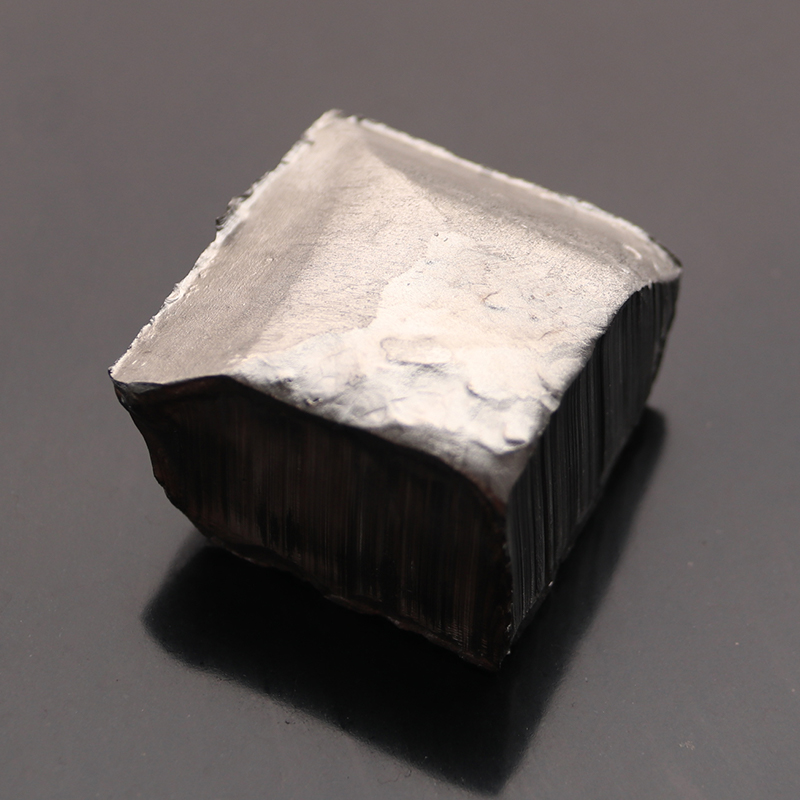
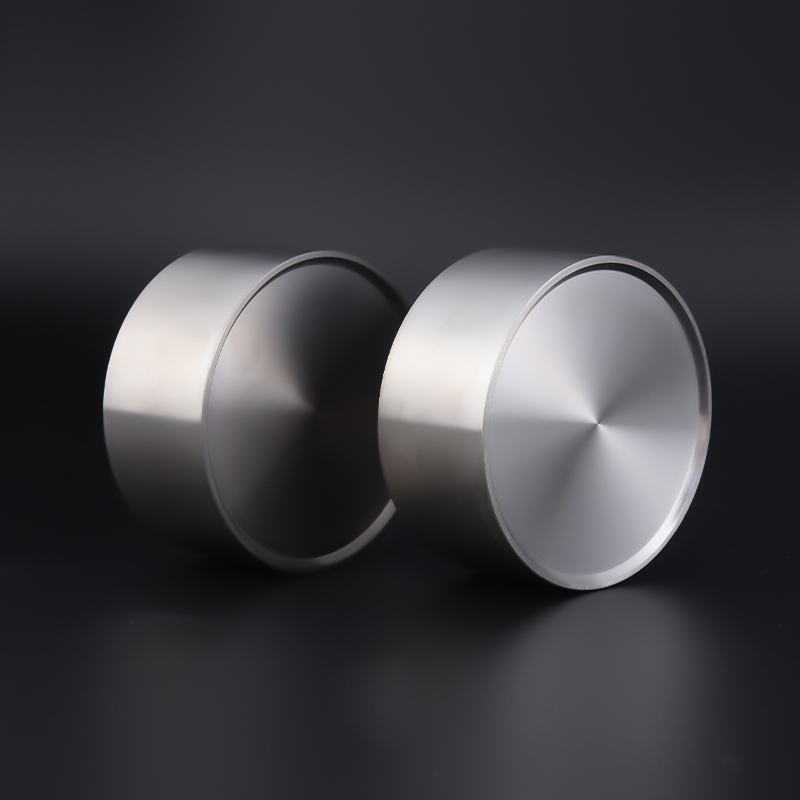
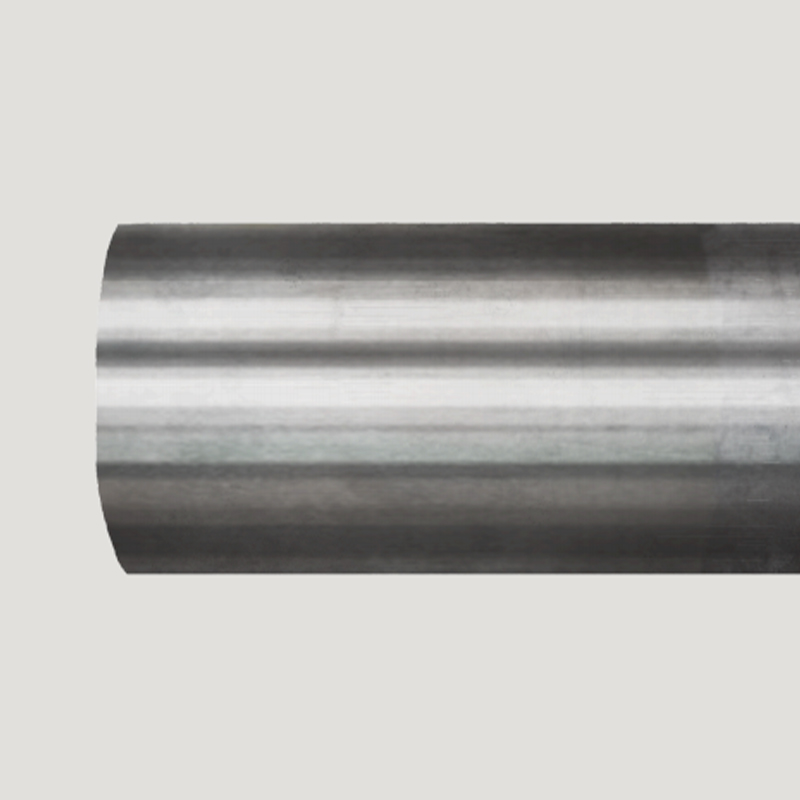
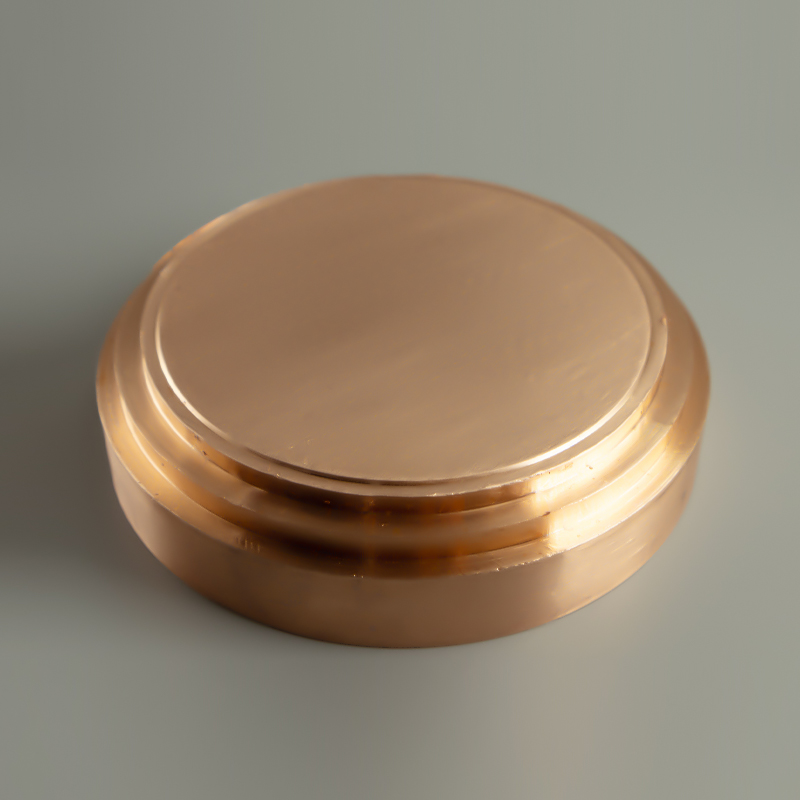
Niobium is rarely qualified on its own. Fabs and alloy producers usually evaluate it alongside other high purity metals from the same ultra high purity metals manufacturer, since sputtering targets, evaporation materials, and superalloy feedstock are often sourced under one supplier audit.

How to Evaluate a Niobium and High Purity Materials Supplier
Because niobium applications range from bulk alloy smelting to sub-micron thin films, a single supplier rarely fits every buyer with the same product line. A few practical checkpoints help narrow the search:
- Purity documentation: a credible high purity materials supplier should provide lot-specific test data for oxygen, nitrogen, carbon, and metallic trace elements, not just a stamped purity percentage.
- Grade range: having 5N through 7N under one roof lets a buyer scale from structural or smelting use up to semiconductor grade metals without switching vendors mid-project.
- Form factor flexibility: ingots, smelted lump material, targets, and custom-machined shapes should all be available, since aerospace and semiconductor customers rarely need the same physical form.
- Packaging for sensitive material: vacuum sealing, inert gas protection, and pearl cotton or foam-lined crating matter more for niobium than for many other metals, since surface oxidation can quietly downgrade a high purity batch during transit.
Where Niobium Demand Is Headed Next
None of the drivers above are replacing niobium's traditional steel-alloying base; they are stacking on top of it. The reference below outlines the near-term outlook by application area.
For buyers evaluating suppliers in this environment, the practical takeaway is to match the application to the correct purity tier rather than defaulting to the highest available grade. Structural and smelting uses rarely justify 7N pricing, while thin-film and superconducting work rarely tolerate anything below 5N. Working with a supplier that produces custom alloys across 5N, 6N, and 7N under one quality system makes it easier to move between these tiers as a project scales.