English
Why is niobium a key material for high-tech industries?
Content
- 1 Core Properties That Make Niobium Irreplaceable
- 2 Key Physical and Chemical Properties
- 3 Ultra High Purity Grades: 5N, 6N and 7N Niobium
- 4 Niobium in Superconducting Systems
- 5 Niobium-Based Superalloy Materials for Aerospace and Energy
- 6 Niobium Sputtering Targets and Evaporation Materials
- 7 Featured High Purity Metal Products
- 8 Choosing a Reliable High Purity Niobium Supplier
- 9 Matching Purity Grade to Application
- 10 Final Takeaway
Niobium is a key material for high-tech industries because it combines a high melting point of 2477 degrees Celsius, excellent superconductivity below 9.2 Kelvin, strong corrosion resistance and outstanding compatibility with other refractory metals. These properties allow niobium to perform reliably in superconducting magnets, aerospace superalloys, semiconductor components and precision thin-film coatings, where ordinary metals fail under extreme heat, current density or chemical exposure.
Core Properties That Make Niobium Irreplaceable
Niobium sits in Group 5 of the periodic table alongside tantalum and vanadium, but its balance of strength, ductility and electrical behavior is unusually well suited to demanding engineering environments. Unlike many refractory metals that become brittle after processing, niobium retains good formability even at high purity, which allows manufacturers to draw it into wire, roll it into sheet, or cast it into ingots without frequent cracking.
This combination of workability and stability under extreme conditions is why niobium consumption has grown steadily across sectors that once relied on more common metals. Steel producers use ferroniobium to strengthen structural alloys, while electronics and aerospace manufacturers depend on high purity niobium metal for components where even trace impurities can cause failure.
Key Physical and Chemical Properties
| Property | Value | Relevance |
| Melting point | 2477 degrees Celsius | Withstands turbine and rocket engine hot sections |
| Density | 8.57 g per cubic centimeter | Lightweight relative to other refractory metals |
| Superconducting critical temperature | 9.2 Kelvin | Highest of any elemental superconductor |
| Corrosion resistance | Stable in most acids and molten salts | Suitable for chemical processing equipment |
| Coefficient of thermal expansion | Low and predictable | Reduces thermal stress in precision assemblies |
Ultra High Purity Grades: 5N, 6N and 7N Niobium
For semiconductor and electronics use, purity is not a marketing figure but a functional requirement. As feature sizes shrink and current densities rise, trace impurities such as tantalum, iron or oxygen can disrupt electrical performance or introduce defects during deposition. This is why an ultra high purity metals manufacturer typically classifies niobium into three commercial tiers.
| Grade | Purity | Typical Use |
| 5N | 99.999 percent | General semiconductor grade metals, capacitor anodes |
| 6N | 99.9999 percent | Sputtering targets, thin-film deposition |
| 7N | 99.99999 percent | Research grade, superconducting RF cavities |
High purity materials at this level require vacuum melting, electron beam refining and controlled atmosphere handling to prevent oxygen or nitrogen pickup, since even parts-per-million contamination can shift electrical resistivity or superconducting behavior.
Niobium in Superconducting Systems
Niobium alloys, particularly niobium-titanium and niobium-tin, remain the backbone of practical superconducting technology. Niobium-titanium wire is the standard conductor for MRI magnets and particle accelerator coils because it can be drawn into fine multifilament wire while retaining superconductivity under strong magnetic fields. Niobium-tin, though more brittle, supports higher field strengths and is used in next-generation fusion research magnets.
Pure niobium is also the material of choice for superconducting radio frequency cavities used in particle accelerators, where surface purity directly determines how much energy is lost as heat during operation.
Niobium-Based Superalloy Materials for Aerospace and Energy
In jet engines and gas turbines, small additions of niobium significantly improve high-temperature strength and oxidation resistance. Nickel-based superalloy materials such as Inconel 718 typically contain around 5 percent niobium, which forms strengthening precipitates that allow turbine components to hold their shape under sustained thermal and mechanical load. Specialized niobium alloys such as C-103 are used directly in rocket nozzle extensions and hypersonic vehicle leading edges, where niobium's high melting point provides a margin that aluminum or titanium alloys cannot match.
- Turbine blades and combustor liners requiring oxidation resistance above 1000 degrees Celsius
- Rocket engine nozzles exposed to extreme thermal cycling
- Chemical processing vessels handling aggressive acids
- Nuclear reactor components requiring low neutron absorption
Niobium Sputtering Targets and Evaporation Materials
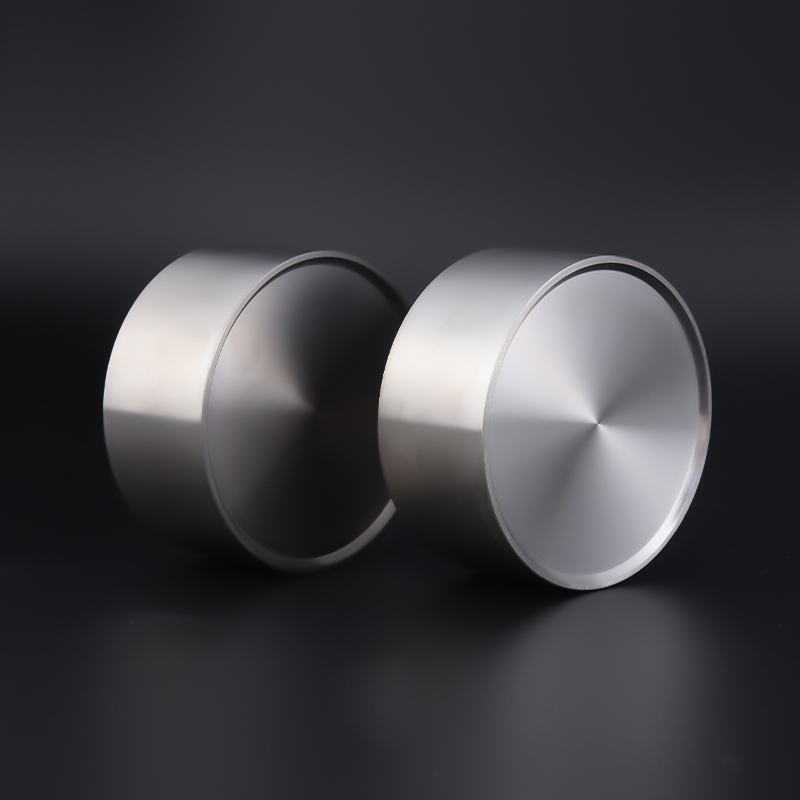
Thin-film manufacturing depends on evaporation materials and sputtering targets with tightly controlled composition, since any deviation shows up directly in film uniformity. Niobium and niobium oxide targets are used to deposit dielectric and optical coatings, anti-reflective layers on glass, and barrier layers in semiconductor interconnects. A semiconductor grade metals supplier generally produces these targets from 5N or 6N feedstock, then machines and bonds them to backing plates under conditions that avoid introducing surface contamination.
Because sputtering targets are consumed gradually during deposition, consistent grain structure across the target is as important as bulk purity, since uneven grain size can cause arcing or particle generation on the film surface.
Featured High Purity Metal Products
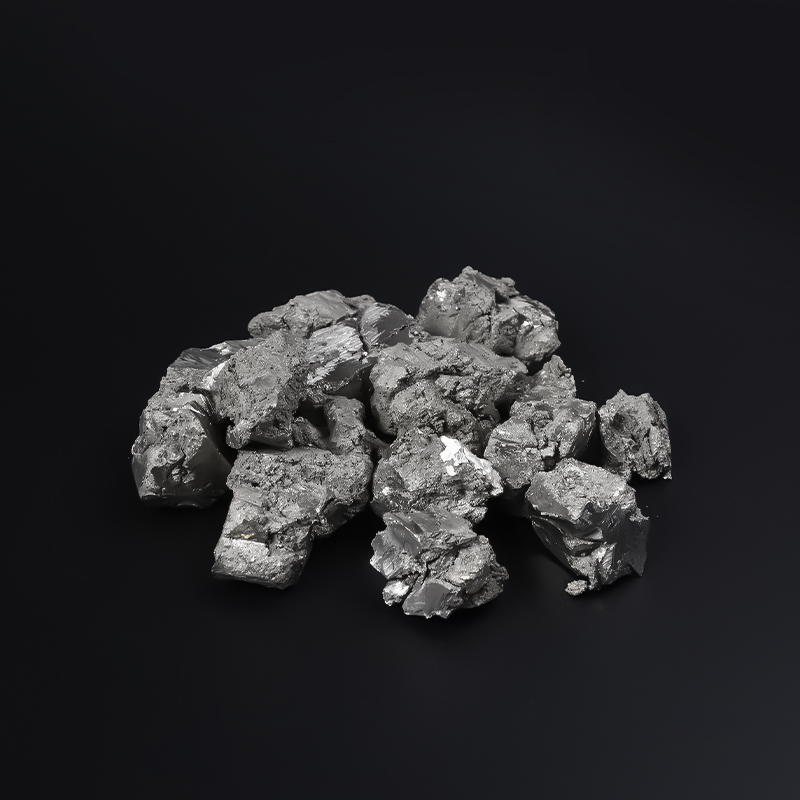
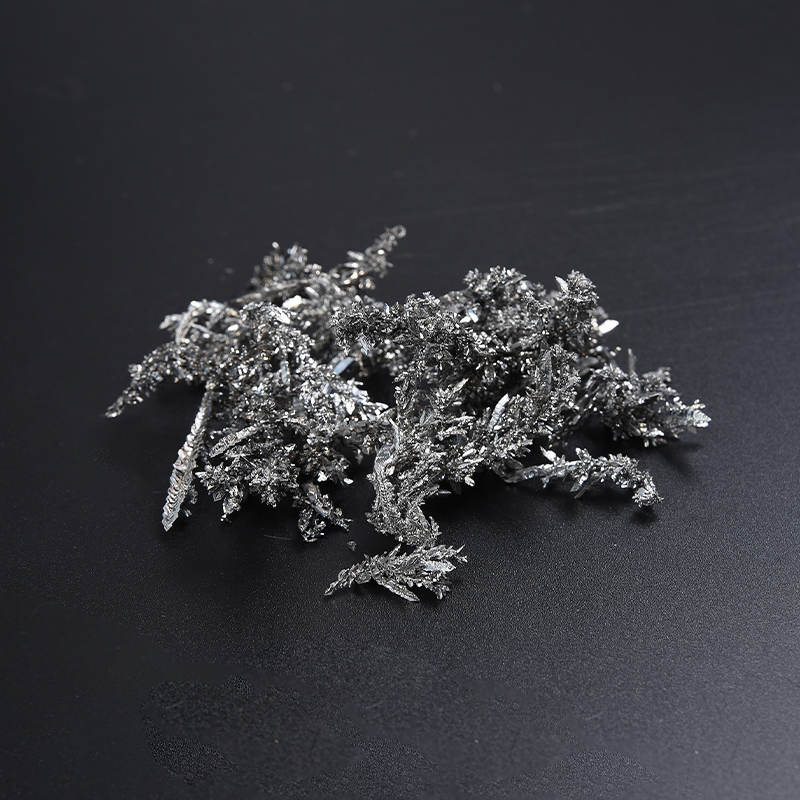
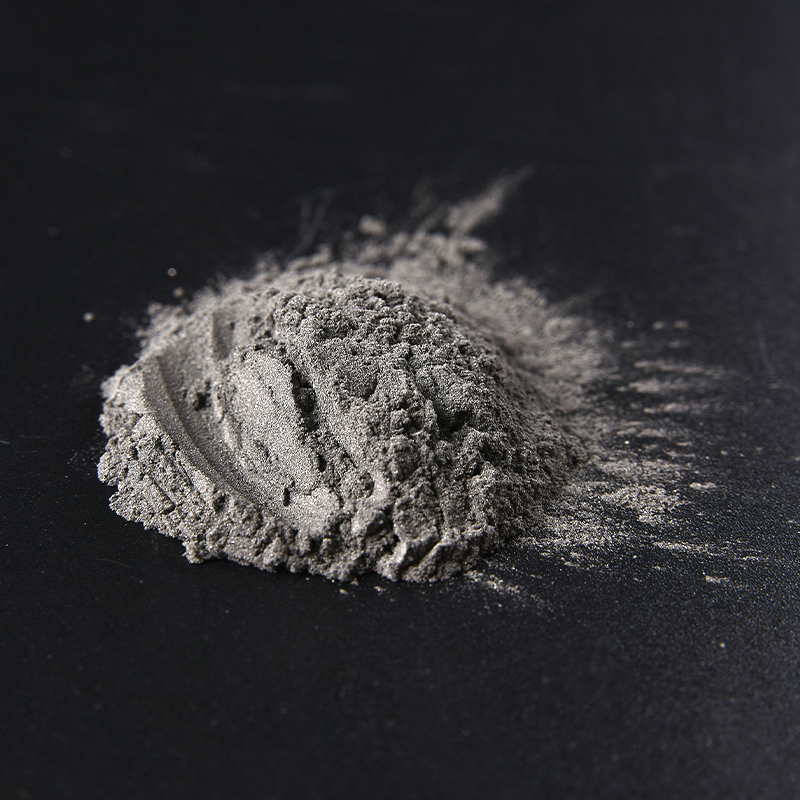
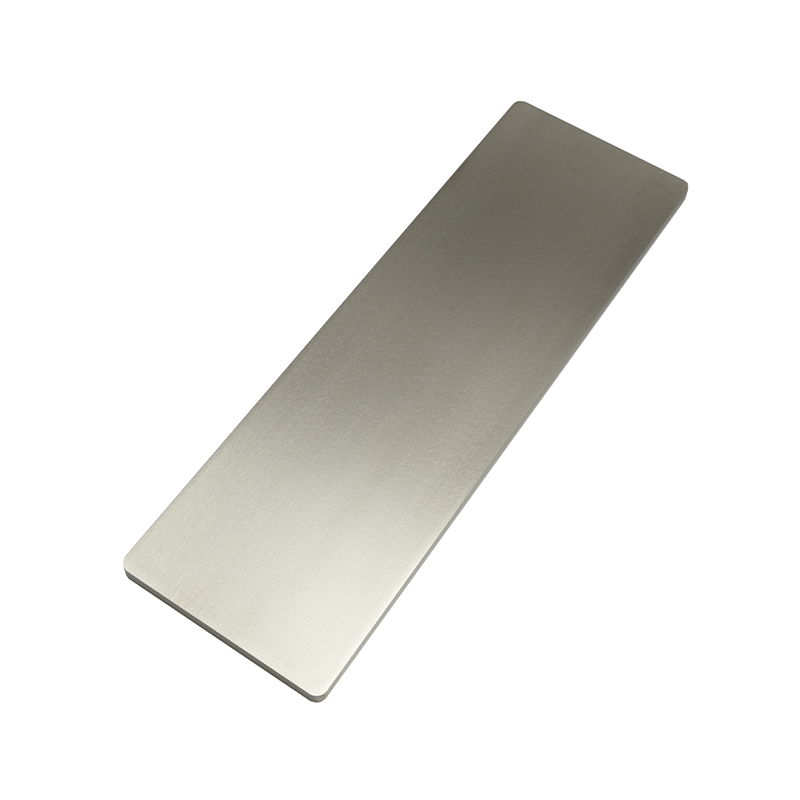
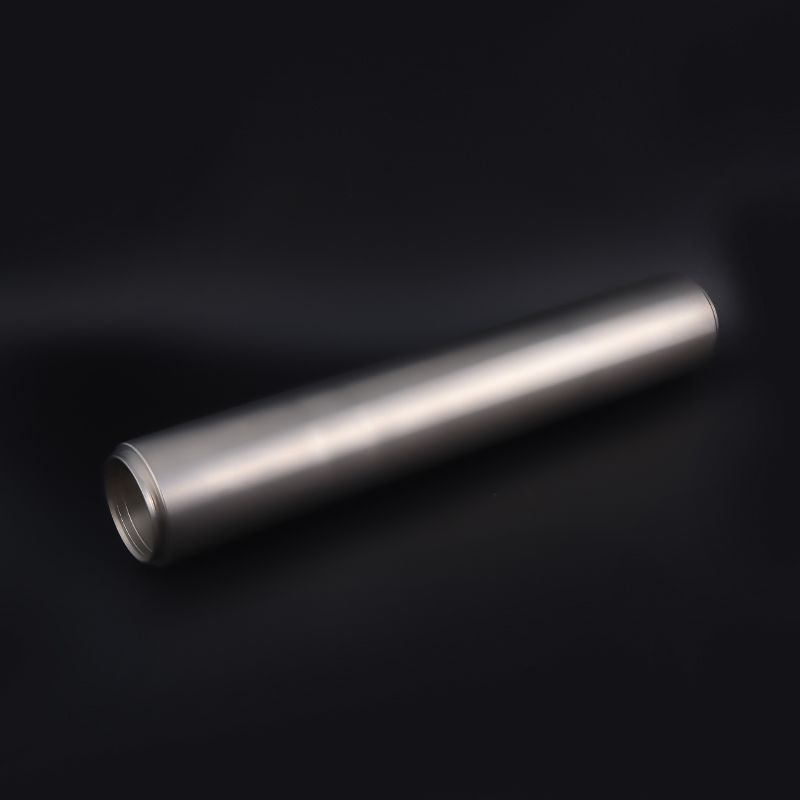
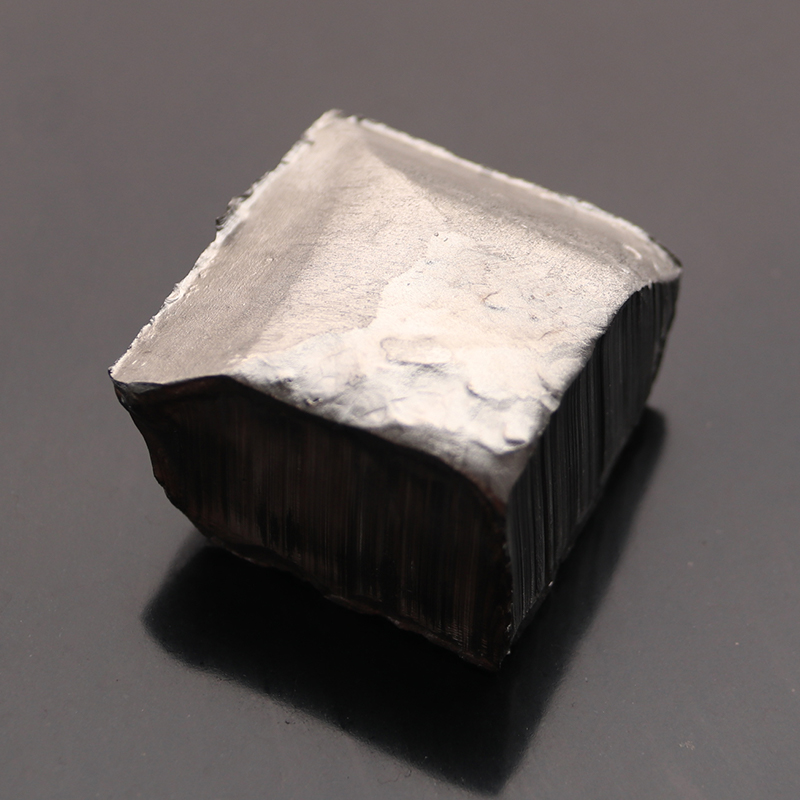
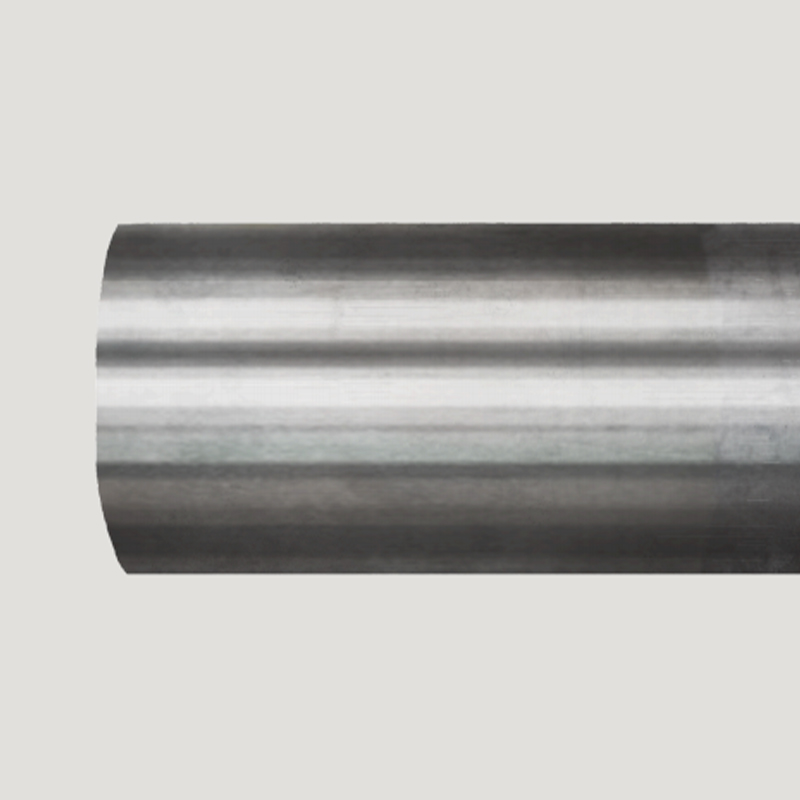
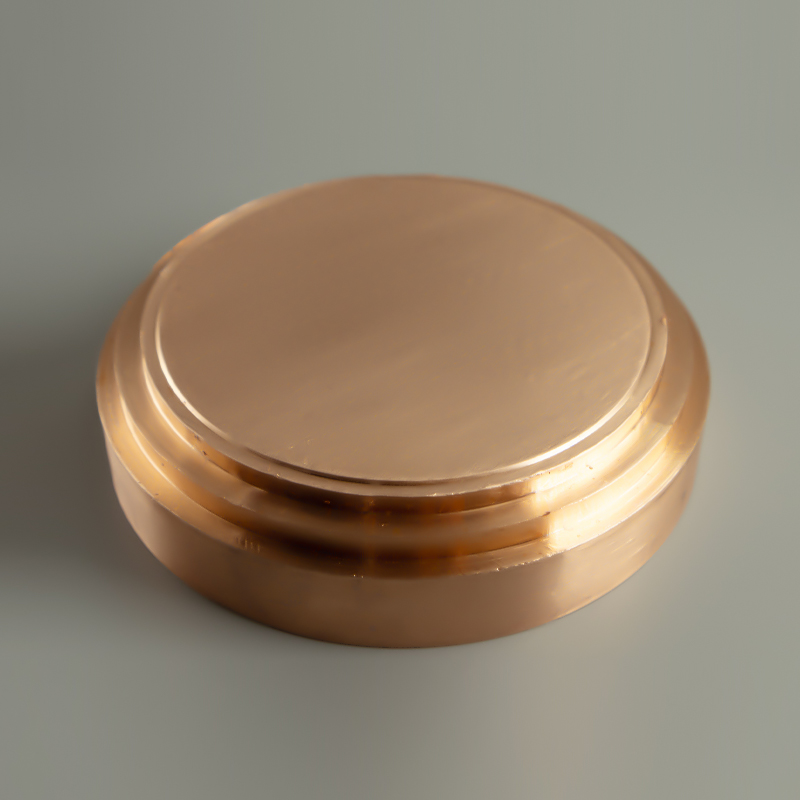
A selection of high purity metal forms produced for semiconductor, aerospace and thin-film applications, supplied as ingots, alloys and sputtering targets to meet varied industrial specifications.

Choosing a Reliable High Purity Niobium Supplier
Sourcing niobium for a high-tech application is different from buying general industrial metal. Buyers should look for suppliers that can document melting method, purity testing results and traceability from raw feedstock to finished form. A supplier that also serves as a high purity Ti supplier or handles tantalum and molybdenum tends to have the vacuum melting and analytical infrastructure needed to hold tight tolerances on niobium as well, since these refractory metals share similar processing challenges.
Practical questions worth asking a prospective supplier include:
- What analytical method is used to certify 5N, 6N or 7N purity
- Can dimensions and weight be customized for a specific tool or chamber
- What packaging protects the material from oxidation during shipping
- Is the same production line used for both ingot and sputtering target forms
Matching Purity Grade to Application
| Application | Recommended Purity | Typical Form |
| Superconducting magnet wire | 4N to 5N | Alloy billet, drawn wire |
| Aerospace superalloy addition | 3N to 4N | Ferroniobium, ingot |
| Semiconductor sputtering target | 5N to 6N | Bonded sputtering target |
| RF superconducting cavity | 6N to 7N | High purity sheet |
Final Takeaway
Niobium earns its place in high-tech manufacturing because no other affordable metal offers the same combination of a high melting point, strong superconductivity and workability at ultra high purity. From MRI magnets to jet engine alloys and semiconductor sputtering targets, the metal's performance depends heavily on purity grade and processing quality, which is why working with an established high purity materials manufacturer matters as much as the raw specification sheet.