English
What purity levels of niobium are available for industrial use?
Content
- 1 Standard Purity Grades Used in Commercial Niobium
- 2 How Purity Level Determines the Right Application
- 3 Product Range from a High Purity Metals Manufacturer
- 4 Manufacturing Processes Behind 5N to 7N Niobium
- 5 Choosing a Semiconductor Grade Metals Supplier
- 6 Packaging and Quality Verification for Ultra High Purity Metals
Industrial niobium is commonly supplied at four practical purity tiers: 99.9 percent for alloy smelting, 99.99 percent for general semiconductor and superconducting use, and the ultra high purity bands of 5N (99.999 percent), 6N (99.9999 percent), and 7N (99.99999 percent) for advanced electronics, aerospace, and research-grade components. The tier a buyer needs depends entirely on the end application, since a steel mill and a sputtering target plant tolerate completely different impurity budgets.
Standard Purity Grades Used in Commercial Niobium
Niobium purity is not a single fixed number. Producers grade the metal according to how the ore is refined, melted, and recast, and each grade is matched to a category of buyers. The table below outlines the tiers most commonly quoted by niobium metal manufacturers and what they are typically packaged for.
| Grade | Purity | Typical Form | Common Use |
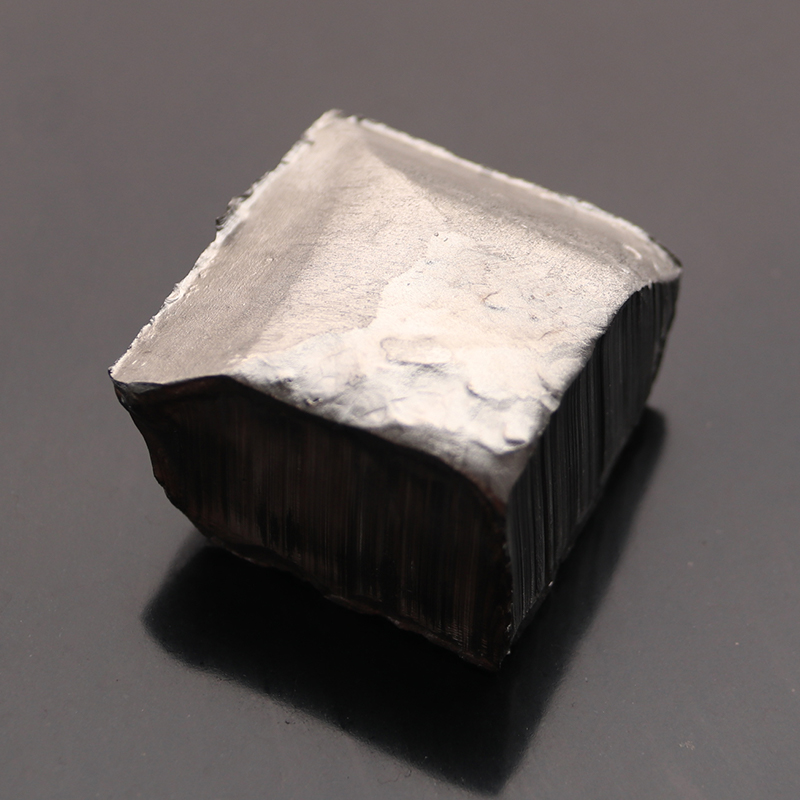
| Smelting Grade | 99.9% | Smelted niobium blocks, 50kg drums | Alloy smelting, ferroniobium blending |
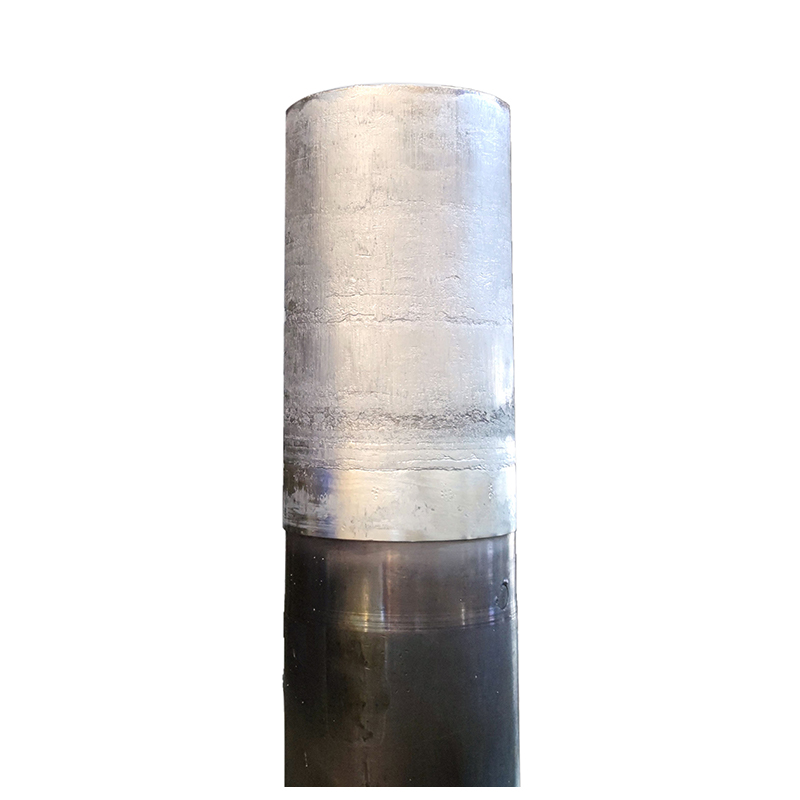
| Standard Grade | 99.99% | Niobium ingot, up to 400mm, 2 ton batches | Semiconductor components, alloy smelting |
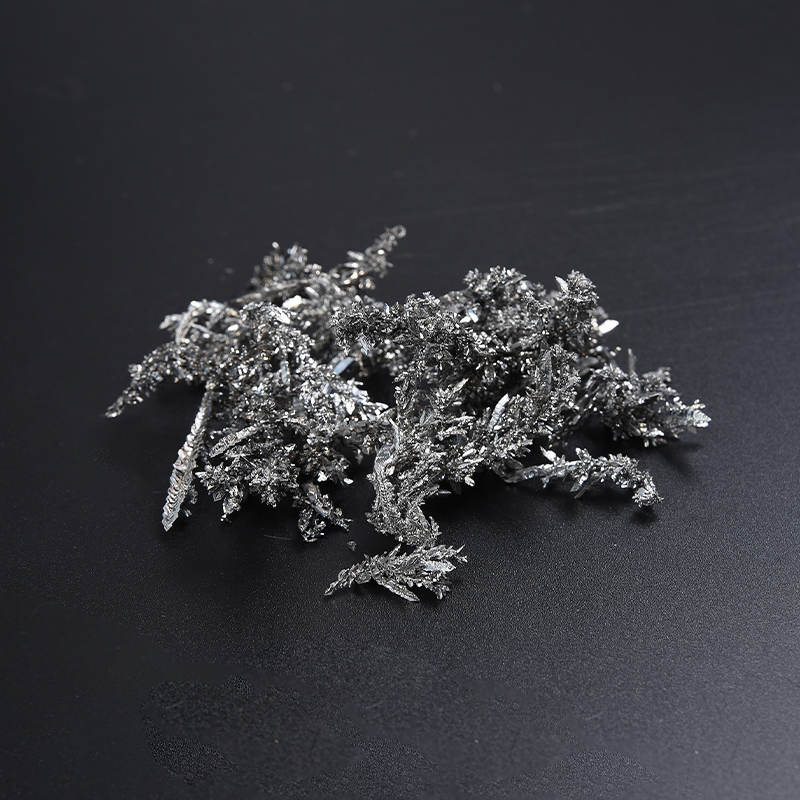
| 5N | 99.999% | Custom ingot or crystal | Superconducting cable, precision electronics |
| 6N | 99.9999% | Custom refined stock | High-end semiconductor and optoelectronic parts |
| 7N | 99.99999% | Custom refined stock | Research, evaporation materials, superconducting magnets |
Most day-to-day industrial orders sit at 99.9 percent or 99.99 percent, since these two grades already satisfy the requirements of alloy smelting and general semiconductor manufacturing. The 5N, 6N, and 7N tiers are produced on a custom basis and require additional refining steps such as electron beam melting and zone purification, so lead times and minimum order quantities are usually longer.
How Purity Level Determines the Right Application
Choosing a purity grade is really a question of what impurities the application can tolerate. A steel additive can carry trace oxygen and iron without any performance penalty, while a superconducting radio-frequency cavity cannot. The following points summarize how purity maps onto real use cases.
- 99.9% smelted niobium is suited to alloy smelting, where niobium is blended into high-temperature superalloys or specialty steels and dilution effects make small impurity levels irrelevant.
- 99.99% niobium ingot covers general semiconductor manufacturing and superconducting materials work, where oxygen and carbon content must be controlled but do not need to be eliminated.
- 5N and above becomes necessary for evaporation materials, sputtering targets, and superconducting magnet wire, where surface resistance and grain uniformity directly affect device performance.
- 7N ultra high purity is reserved for research applications and specialty superalloy materials where even parts-per-billion impurities can shift electrical or magnetic behavior.
Product Range from a High Purity Metals Manufacturer
Beyond niobium, manufacturers that operate as a semiconductor grade metals supplier typically maintain a parallel line of titanium, cobalt, copper, and tantalum products at comparable purity bands, since many of the same customers buy several metals for a single fabrication line. A representative product family looks like this:
Ultra High Purity Metal Product Line
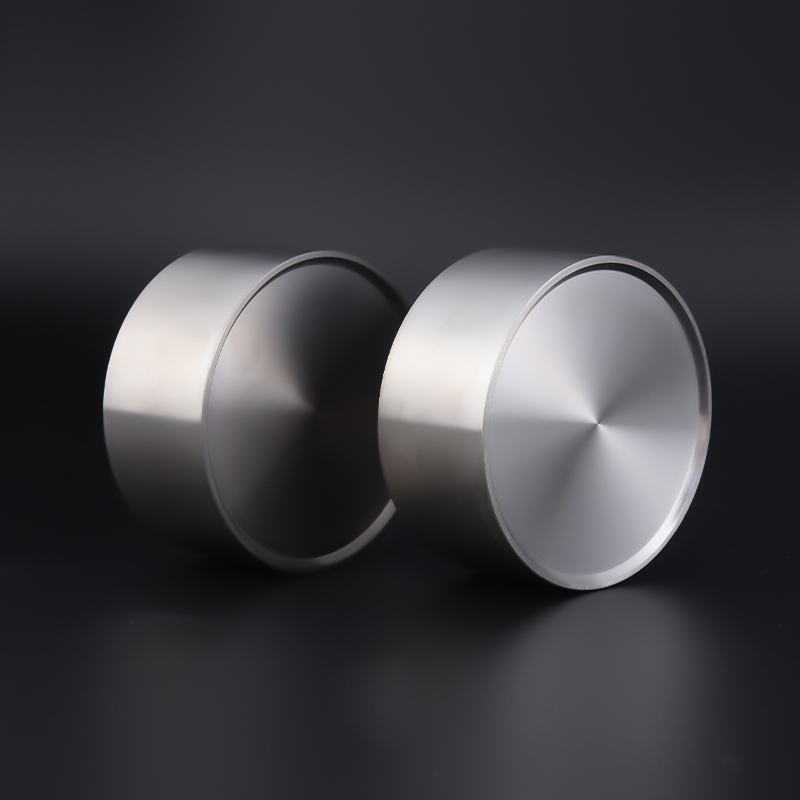
Selected niobium and companion metal forms produced under 5N to 7N purity control, supplied as ingot, crystal, target, and smelted stock for semiconductor, superconducting, and superalloy manufacturing.

Manufacturing Processes Behind 5N to 7N Niobium
Reaching 5N purity and beyond requires more than a single melt. Producers generally combine vacuum electron beam melting with zone refining, repeating the process across multiple passes to drive out oxygen, tantalum, and interstitial gases that lower melting-point metals like niobium tend to retain. Each additional nine of purity typically demands a dedicated furnace cycle, which is why 7N material is quoted as a custom order rather than stocked in bulk. Consistent purity from batch to batch also depends on in-house testing, since spectrographic and gas-fusion analysis confirm that a claimed 6N or 7N certificate actually matches the delivered ingot.
Choosing a Semiconductor Grade Metals Supplier
When sourcing niobium for a demanding application, purity on paper is only part of the decision. A few practical checks help confirm that a supplier can consistently deliver the stated grade:
- Request a certificate of analysis for the specific batch, not a generic product sheet, since purity can vary between production runs.
- Confirm maximum ingot dimensions and weight against your process equipment, as semiconductor-grade niobium is often supplied in sizes up to 400mm and 2 ton batches.
- Ask about packaging standards, since ultra high purity metal is sensitive to oxidation and moisture during transit and is normally wrapped in stretch film or vacuum-sealed with pearl cotton or PEF cushioning inside wooden crates.
- Check whether the supplier also produces related sputtering targets and evaporation materials, which indicates broader process control across the full purity range.
Packaging and Quality Verification for Ultra High Purity Metals
Purity that is achieved in the furnace can still be lost in transit if packaging is inadequate. Standard practice for 99.99 percent and higher niobium includes stretch-film wrapping, wooden export crates, and pearl cotton or foam inserts to prevent surface contact damage. For smelted 99.9 percent material destined for alloy production, sealed plastic bags in 50kg drums are usually sufficient, since the metal will be re-melted before use. Buyers evaluating a supplier should ask to see both the packaging method and the purity testing report together, since one without the other leaves a gap in traceability.
In practical terms, most industrial buyers do not need to reach for 7N material by default. Matching the grade to the application, from 99.9 percent smelting stock through 5N, 6N, and 7N ultra high purity forms, keeps material costs proportional to actual performance requirements while still meeting the standards that semiconductor, superconducting, and superalloy manufacturing demand.