English
What Is Tantalum Used For and How Does It Perform in Extreme Conditions?
Content
Tantalum is mainly used to make miniature capacitors for smartphones and computers, corrosion-proof equipment for chemical plants, and high-temperature superalloy parts for jet engines and gas turbines. Under extreme conditions it keeps its strength above 2500°C, forms a self-healing oxide layer that resists acids such as aqua regia, and stays chemically stable in high-vacuum semiconductor processes, which is why it is also refined into 5N, 6N and 7N ultra high purity grades for sputtering targets and evaporation materials.
What Tantalum Is and Why It Behaves So Differently
Tantalum (Ta, atomic number 73) is a blue-grey, body-centered cubic transition metal sitting in the same family as niobium. It is dense, at roughly 16.7 g/cm³, and it is one of only a handful of metals with a melting point above 3000°C. What separates tantalum from most industrial metals is a combination of three traits that rarely appear together: a very high melting point, an oxide film that regenerates instantly when scratched, and enough ductility to be drawn into foil or fine wire without cracking. This mix is the reason tantalum keeps showing up in the toughest corners of electronics, aerospace, and medicine.
Main Uses of Tantalum Across Industries
Because raw tantalum ore is scarce and processing it is expensive, tantalum tends to be used where nothing else will do the job reliably. The list below groups the main application areas together with the form the metal usually takes and the property that earns it the spot.
How Tantalum Performs in Extreme Conditions
Tantalum's reputation for reliability under stress comes down to three measurable behaviors rather than a single property.
Heat and Mechanical Load
With a melting point of 3017°C, tantalum ranks among the four highest-melting metals used industrially, behind only tungsten, rhenium, and osmium. It keeps useful mechanical strength at temperatures where most structural alloys have already softened, which is why it appears in turbine hot-end components, combustion chamber liners, and vacuum-furnace heating elements. Its thermal expansion coefficient is also lower than tungsten's or molybdenum's, so parts made from tantalum distort less as temperatures swing during startup and shutdown cycles.
Corrosive and Chemical Environments
Tantalum forms a thin, tightly bonded tantalum pentoxide layer the moment it contacts air. If that layer is scratched or abraded, it reforms almost instantly, which is why the metal resists nearly every acid at operating temperature, including nitric, hydrochloric, and sulfuric acid, as well as aqua regia. Chemical processing plants use tantalum-lined reactors and heat exchangers specifically to avoid the routine replacement schedules that stainless steel or even some nickel alloys require.
Vacuum and High-Purity Environments
In semiconductor fabs, tantalum is valued for something different: extremely low outgassing and excellent film uniformity when sputtered or evaporated in a vacuum chamber. This is where purity grade matters most. Standard industrial tantalum sits around 99.9 percent purity, while semiconductor-grade material is refined to 5N (99.999 percent), 6N (99.9999 percent), or in the most demanding cases 7N (99.99999 percent) to keep trace metallic impurities from contaminating thin films on a wafer.
Ultra High Purity Tantalum for Semiconductor and Coating Applications
As chip geometries shrink, even parts-per-billion impurity levels in a sputtering target can show up as defects on a finished wafer. This is why ultra high purity metals manufacturers process tantalum through repeated electron beam melting or vacuum arc remelting, each pass driving out oxygen, nitrogen, carbon, and iron. The result is high purity tantalum suitable for sputtering targets, evaporation materials, and other semiconductor grade metals used in thin-film deposition. Tantalum is also alloyed into superalloy materials for hot-section aerospace components, where its high melting point directly improves creep resistance in nickel- and cobalt-based systems.
High Purity Refractory Metal Product Line
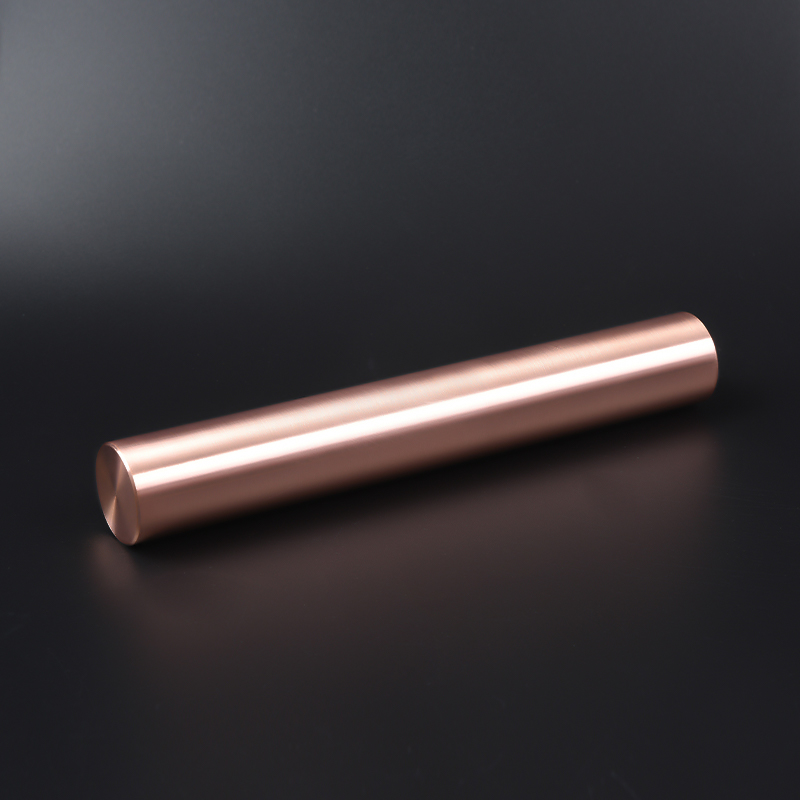
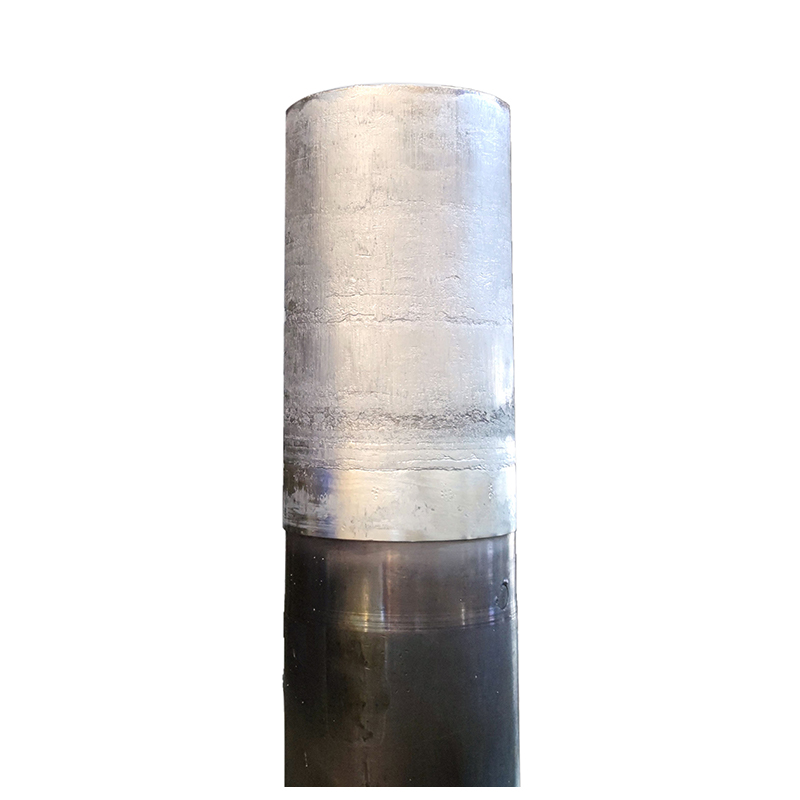
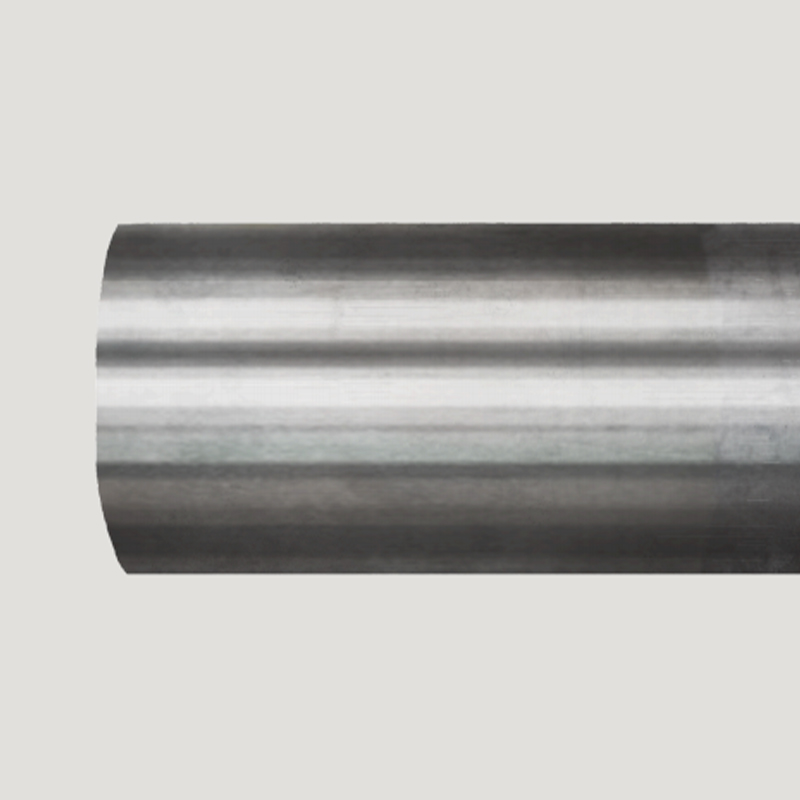
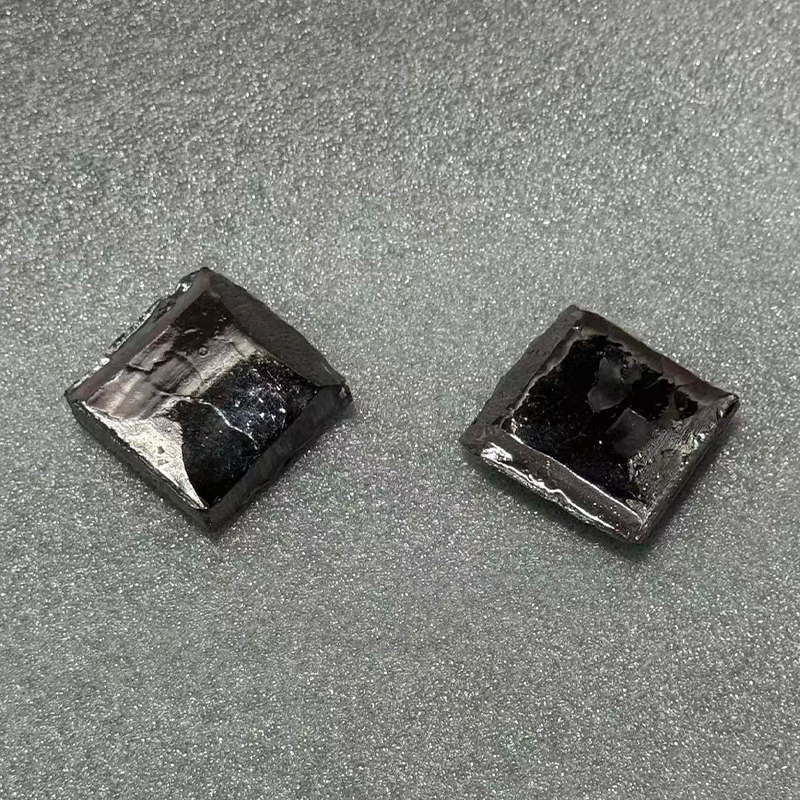
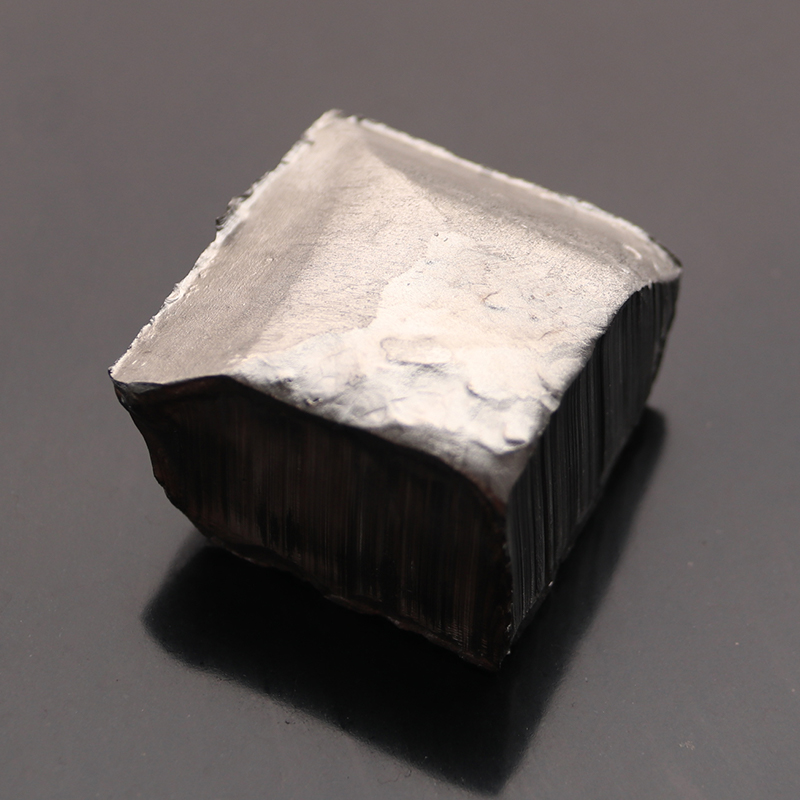
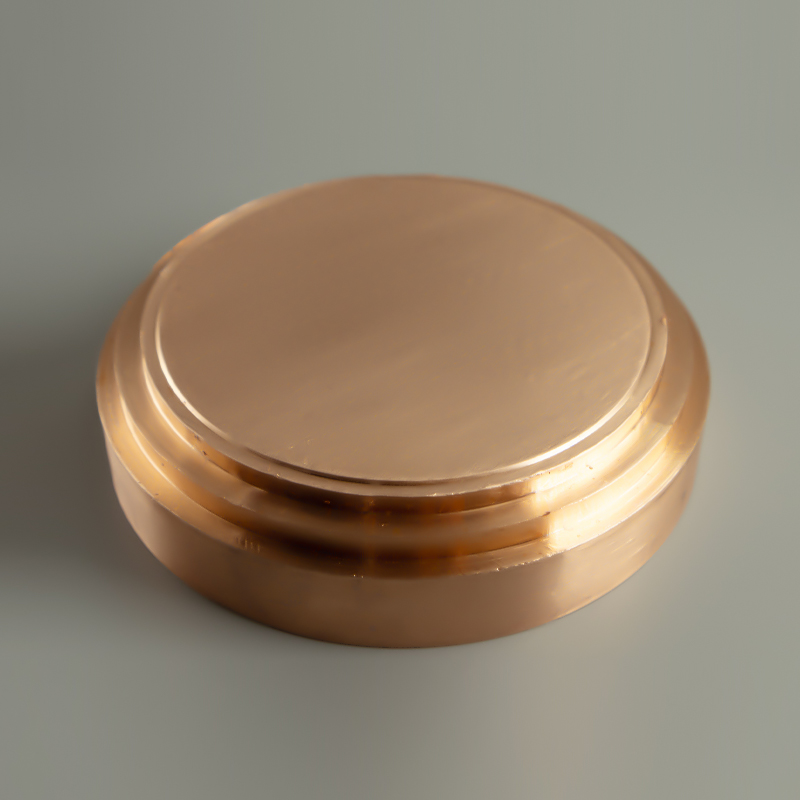
A look at the tantalum, niobium, and copper mill products commonly supplied for aerospace, semiconductor, and alloy smelting applications, each customizable in size and weight.

How to Choose a Reliable High Purity Tantalum Supplier
Not every supplier that lists tantalum can actually deliver semiconductor-grade material at scale. A few checkpoints are worth confirming before placing an order.
Key Takeaways
Tantalum earns its place in demanding industries because it combines a very high melting point, a self-repairing oxide layer, and enough purity headroom to reach 5N, 6N, and even 7N grades. In practical terms, that means the same element that filters signals inside a smartphone capacitor can also survive boiling acid in a chemical reactor and hold its shape inside a jet turbine's hottest section. For applications that fall anywhere along that spectrum, the deciding factor is almost always purity and processing quality rather than the metal itself.