English
Purity Metal: Standards, Grades, and Why Ultra-High-Purity Matters in Industry
Content
Imagine reviewing a material certificate and seeing "99.999%" across the purity column. The extra "9" looks negligible on paper, but it separates a usable sputtering target from a source of process failure. For a jewelry buyer, 99.9% gold is already exceptional. For a semiconductor fab or an aerospace OEM, that same purity level is a starting point, not an achievement. Purity metal, in industrial terms, is a functional specification: it governs electrical behavior, corrosion resistance, mechanical reliability, and even biocompatibility.
What Does "Purity Metal" Actually Mean?
Metal purity is the mass fraction of the target element in a material; everything else counts as impurity. Suppliers express it as a percentage or with "N-grade" shorthand: 2N means 99%, 3N is 99.9%, 4N is 99.99%, 5N is 99.999%, and 6N reaches 99.9999%. Each additional "9" cuts the remaining impurity content by a factor of ten, which is why a 5N material is fundamentally different from a 4N material in a high-sensitivity process.
| Grade | Purity | Typical impurity level | Typical application |
|---|---|---|---|
| 2N | 99% | 10,000 ppm | Construction, general hardware |
| 3N | 99.9% | 1,000 ppm | Corrosion-resistant parts, marine components |
| 4N | 99.99% | 100 ppm | Medical implants, chemical equipment |
| 5N | 99.999% | 10 ppm | Sputtering targets, semiconductor assemblies |
| 6N | 99.9999% | 1 ppm | Advanced electronics, research materials |
For industrial buyers, the relevant question is not whether a metal is "high purity" but how many impurities remain and whether those impurities are controlled. A 3N titanium plate can serve marine equipment perfectly well, while the same nominal metal in a 5N target would be wasted on that application. The correct grade is the one that satisfies the process limit, not the highest number on the certificate.
Precious Metal Fineness vs. Industrial Purity
Search for "purity metal" and most results talk about precious metal fineness: 24-karat gold is 999 parts per thousand (99.9%), sterling silver is 925 (92.5%), and platinum jewelry is commonly 9995 (99.95%). These numbers help consumers judge value at a jewelry counter, and they are verified by hallmarks, X-ray fluorescence, or acid tests.
Industrial high-purity metals use a different yardstick. Instead of protecting a buyer from overpaying, purity grades in manufacturing are set by physical process limits. Oxygen in a titanium crystal weakens the material during forging; iron in a copper target disturbs film deposition; nickel with trace sulfur cracks during rolling. Small absolute differences in percentage translate into large differences in the number of atoms available to react.
Impurity concentration by grade on a logarithmic scale. Each added "9" removes 90% of the remaining trace elements.
The practical consequence is that "purity metal" means different things in different supply chains. A precious metal dealer and an electronic materials producer both sell high-purity metal, but the testing methods, documentary requirements, and tolerances are completely different.
Why Purity Drives Performance in High-Tech Manufacturing
Ultra-high-purity metal is not a luxury specification. It affects yield, durability, and safety in measurable ways. The three application groups below are where demand for 4N and 5N materials is strongest.
Semiconductors and thin-film electronics
In semiconductor manufacturing, unintended impurities behave like accidental dopants. They shift electrical properties, increase leakage current, and reduce device reliability. Sputtering targets for physical vapor deposition must therefore deliver a contamination-free film. A high-purity copper target, for example, keeps interconnect resistance consistent across millions of deposition cycles. For the same reason, titanium sputtering targets are specified at 4N or higher in display and solar manufacturing.
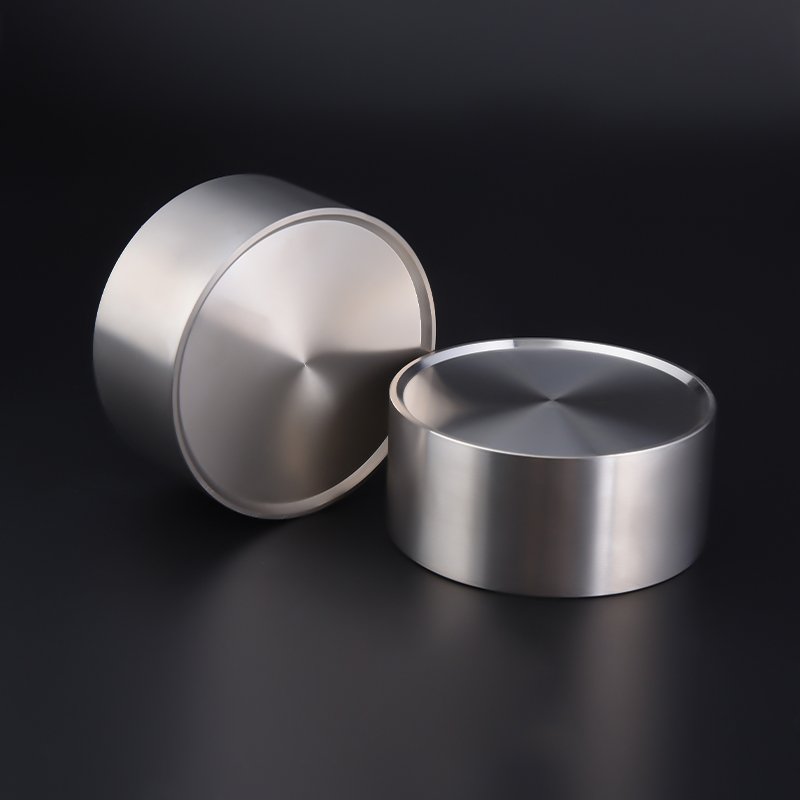 Wholesale Sputtering Targets Manufacturer, Titanium target CompanyNingbo Chuangrun New Materials is sputtering targets manufacturer and titanium target company, we specialize in wholesale sputtering targ...View Product →
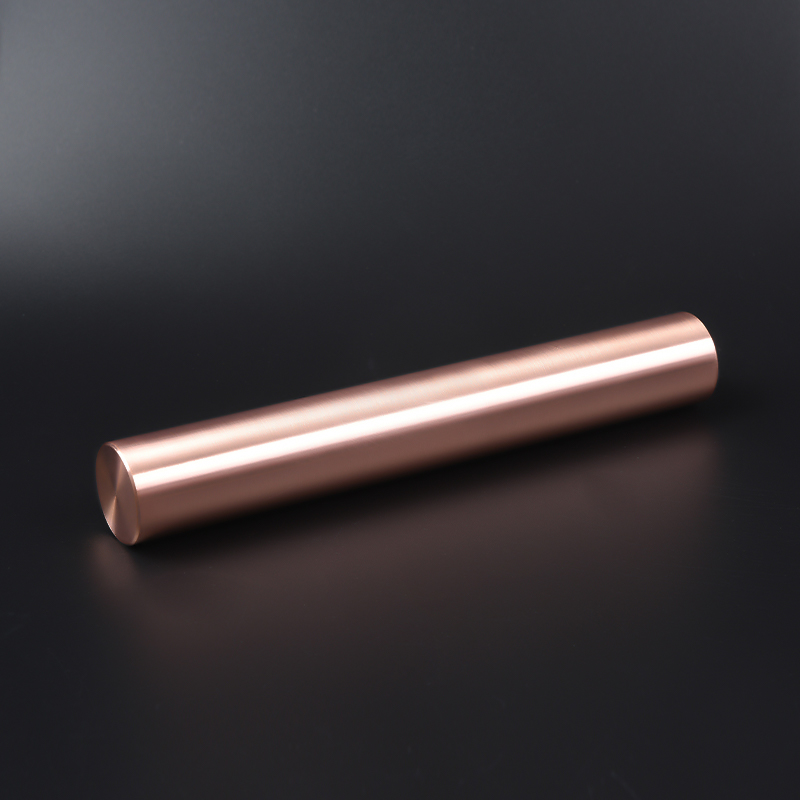
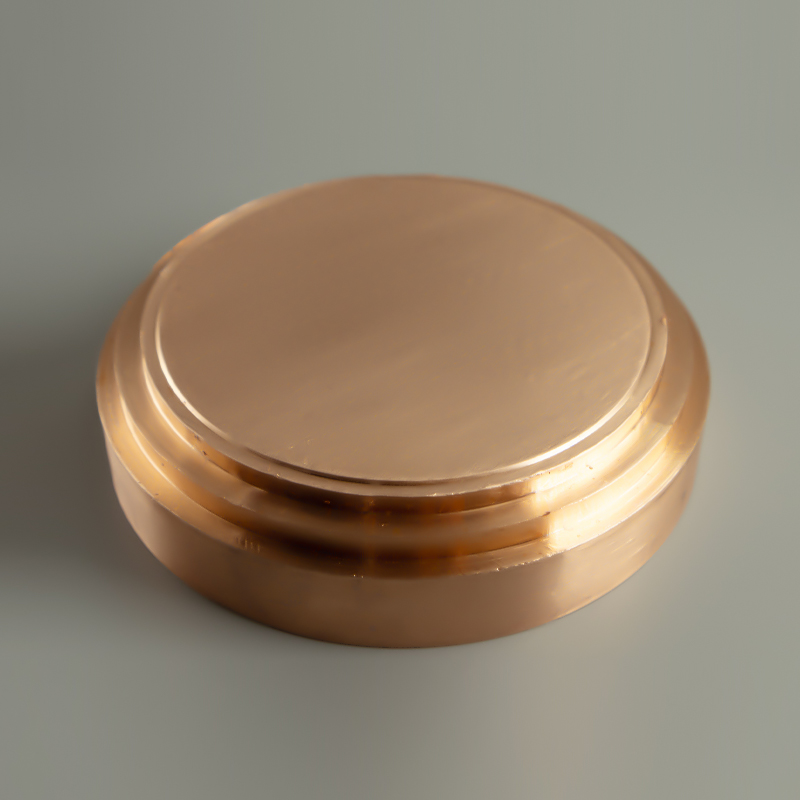 Wholesale Copper target Manufacturer,Copper target Company- Ningbo Chuangrun NewNingbo Chuangrun is Copper target manufacturer and Copper target company, our Copper target are engineered for precision applications, me...View Product →
Aerospace and energy
Aerospace components live under repeated stress, temperature swings, and corrosive exposure. Impurities such as oxygen, iron, and nitrogen, even at parts-per-million levels, act as initiation sites for cracks and reduce fracture toughness. That is why fabricators prefer starting from high-purity titanium crystal rather than scrap-based feedstocks. The same logic applies to nickel used in superalloy and battery applications, where trace elements affect electrochemical behavior.
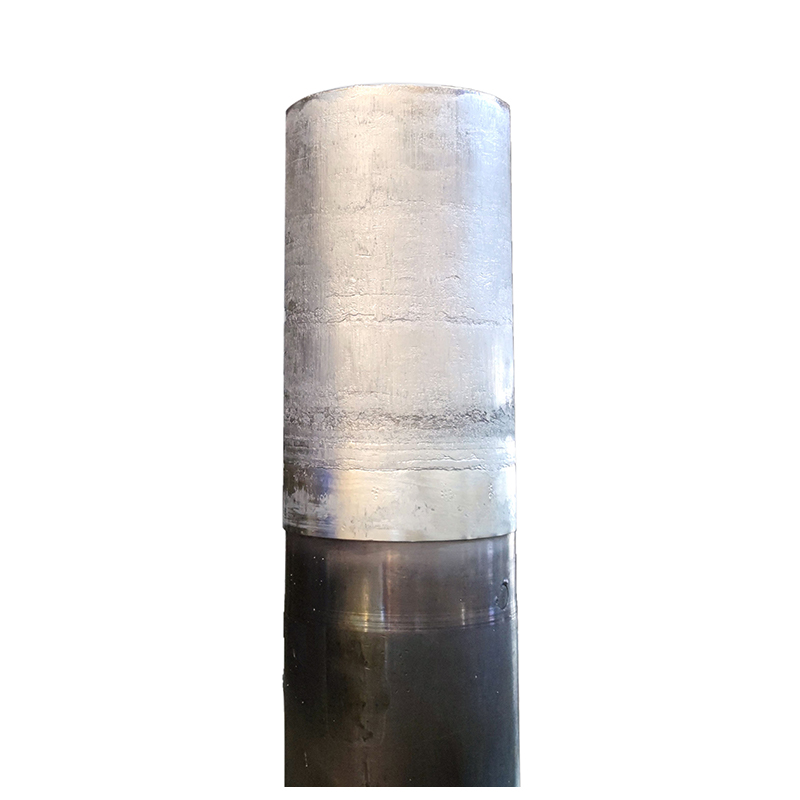
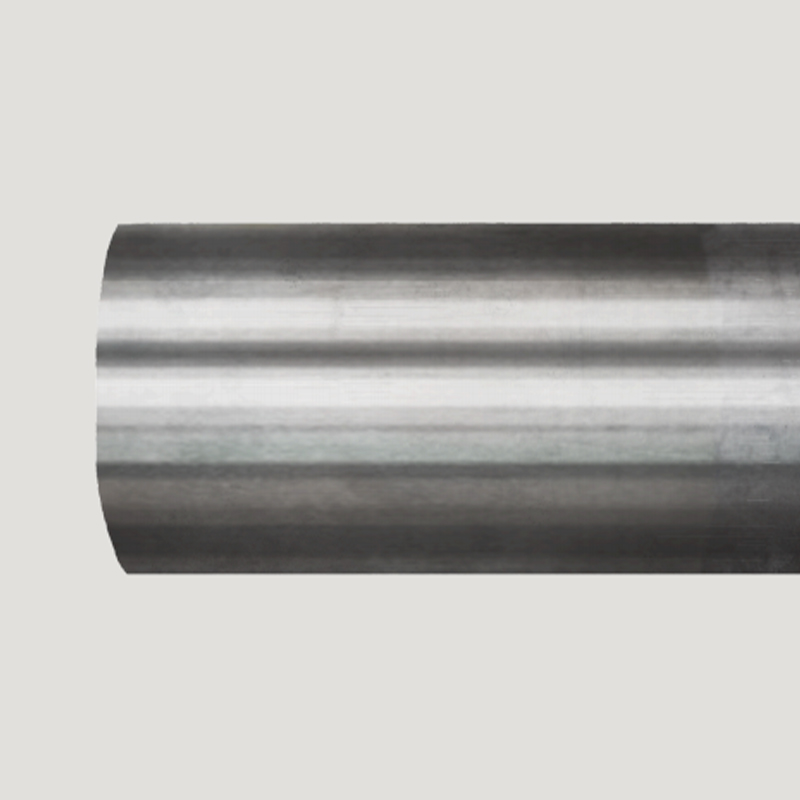
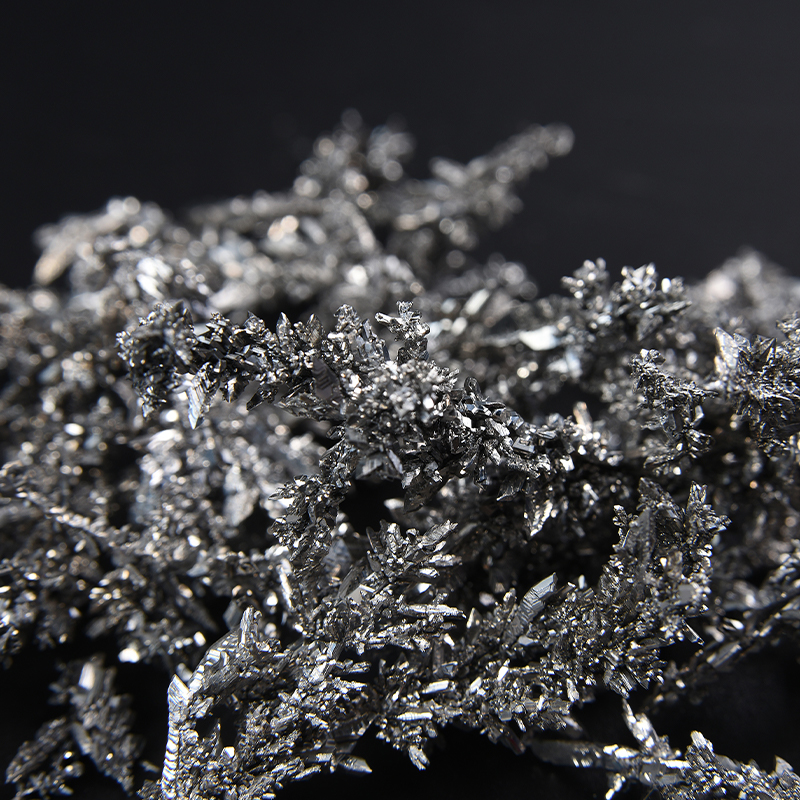 Wholesale Titanium crystal Manufacturer,Titanium crystal Company- Ningbo ChuangrNingbo Chuangrun is Titanium crystal manufacturer and Titanium crystal company, our Titanium crystal are engineered for precision applica...View Product →
Biomedical devices
Implantable devices face a stricter standard: the human body. Trace impurities on the surface of a titanium or nickel material can trigger an inflammatory response or disturb the protective oxide layer. Medical-grade metals are commonly ordered at 4N purity or above, and the documentation must prove batch-level consistency, not just an average result.
| Application | Metal | Typical grade | Key concern |
|---|---|---|---|
| Semiconductor interconnects | Copper | 5N | Signal integrity and resistivity |
| PVD targets | Titanium, copper | 4N-5N | Film uniformity and purity |
| Medical implants | Titanium, nickel | 4N+ | Biocompatibility |
| Aerospace hardware | Titanium alloy | 3N-4N base | Fatigue and corrosion resistance |
How Purity Is Verified
Most purity failures are detectable if you look at trace-element data. The certification method matters as much as the number on the certificate.
- Glow discharge mass spectrometry (GDMS) — the standard for 5N and 6N metals; it measures trace elements down to parts per billion without dissolving the sample.
- ICP-MS — a solution-based technique that covers a wide range of elements and is widely accepted for compliance testing.
- Inert gas fusion — specifically measures oxygen, nitrogen, and hydrogen, which are critical for titanium, niobium, and their alloys.
- Combustion analysis — determines carbon and sulfur content; both are harmful to weldability and corrosion performance.
A credible certificate of analysis lists each measured impurity with its detection limit, the analytical method, and the batch number. If a supplier only writes "99.995% pure" without the underlying data table, ask for the full analysis. Integrated producers, such as CRNMC, run their own purity testing, which means the same team controls everything from purification to final inspection.
How to Choose a Purity Metal Supplier
Buying high-purity metal is risk management. If a single batch contaminates a production line, the cost of scrap and downtime is many times the material price. Evaluate suppliers on evidence, not marketing language.
- Certified purity data: 30%
- Batch traceability: 20%
- Process control / QMS: 20%
- Lead time reliability: 15%
- Technical support: 15%
Illustrative weighting for supplier evaluation in high-purity metal procurement.
- Check the certificate of analysis against the required grade and read the trace-element table, not just the purity percentage.
- Confirm the quality management system: ISO 9001 is expected; IATF 16949 adds rigor for automotive-grade supply chains.
- Prefer a supplier that performs its own purification, melting, and processing — integrated production makes batch tracing straightforward.
- Ask about lead time and minimum order quantities before qualifying a new source.
When the grade and application are clear, contact our team with your target purity, form, and dimensions to receive a specification-matched quotation.
Frequently Asked Questions
What is the difference between fineness and N-grade purity?
Fineness states precious metal content in parts per thousand, such as 999 for 99.9% gold, and is mainly used in jewelry and bullion. N-grade notation describes industrial purity: 3N is 99.9%, 4N is 99.99%, and 5N is 99.999%. Both are percentages, but they serve different supply chains.
Is 99.99% pure metal always better than 99.9%?
Not automatically. Higher purity costs more and can require special handling during processing. The right grade is the one that satisfies your process limit — a 4N material is over-specification for a marine bracket but under-specification for a sputtering target.
What does "electronic-grade" mean on a metal certificate?
Electronic-grade normally indicates a controlled impurity profile suitable for electronic components, often 5N or higher, with specific limits for elements that affect electrical behavior. It is not a single global standard, so always verify the trace-element table against your own requirements.
Which metals are available in ultra-high-purity forms?
Common ultra-high-purity metals include titanium, nickel, copper, niobium, cobalt, tantalum, and molybdenum, supplied as crystals, ingots, plates, powders, tubes, or sputtering targets. The right form factor is determined by your downstream process, not only by the purity level.
Purity metal is a specification that has to be read in context. For precious metals, fineness tells consumers what they are paying for; for industrial materials, it tells engineers whether a batch can survive the next process step. Match the grade to the application, verify the data, and choose a supplier who can prove what they ship.