English
Copper Purity Grades Explained: Testing Methods and Buying Considerations
Content
If you are sourcing copper for a sputtering target, an oxygen-free conductor, or a vacuum component, the number on the purity certificate can decide whether the material performs or fails. Copper purity is not a single number; it is a specification system that includes minimum copper content, oxygen content, trace-element limits, and production route. The practical conclusion: you need to match the grade to the application, not simply look for the highest percentage available.
What Does Copper Purity Actually Mean?
When suppliers say a copper grade is 99.9 percent pure, they usually mean the material contains at least 99.90 percent copper, with the remaining fraction made up of specific elements such as oxygen, phosphorus, silver, or trace metals. The term "four nines" is common in high-purity metal discussions, but it means different things in different specifications. In practice, the grade designation is more useful than the word "pure" alone.
The industry commonly uses "N" notation for purity levels:
- 2N copper: 99.0 percent minimum copper content.
- 3N copper: 99.9 percent minimum copper content.
- 4N copper: 99.99 percent minimum copper content.
- 5N copper: 99.999 percent minimum copper content.
- 6N copper: 99.9999 percent minimum copper content.
However, a high percentage alone does not guarantee good performance. Oxygen-free grades, for example, target a very low oxygen level because oxygen changes how copper behaves in welding, vacuum brazing, and hydrogen-rich environments.
Common Copper Grades and Their Purity Limits
Commercial copper is usually sold under established grade names. Three grades cover most electrical and precision applications:
| Grade | Designation | Minimum copper content | Oxygen level | Typical applications |
|---|---|---|---|---|
| ETP | C11000 | 99.90% | 0.02 to 0.04 percent | Busbars, wire, general electrical conductors |
| OFC | C10200 | 99.95% | Oxygen-free | Waveguides, glass-to-metal seals, vacuum components |
| OFE | C10100 | 99.99% | Oxygen-free with low volatile impurities | Vacuum electronics, precision instruments, advanced sputtering targets |
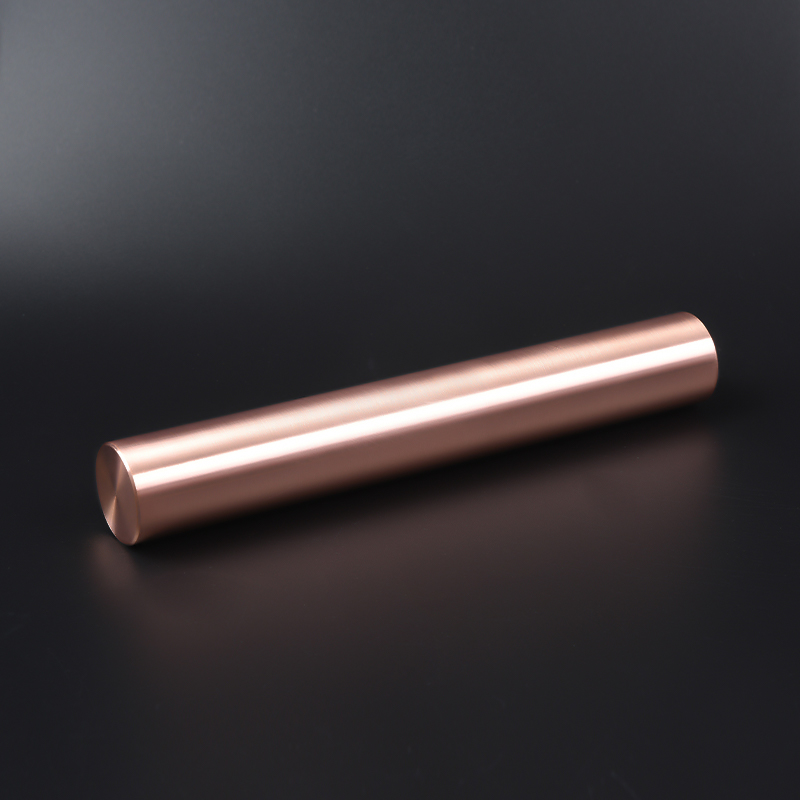
Oxygen-free grades are among the purest copper materials available, and OFE is often requested when volatile impurities must stay extremely low. If you need a high-purity copper ingot, the production route matters as much as the label: vacuum melting, controlled casting, and clean handling all affect the final chemistry.
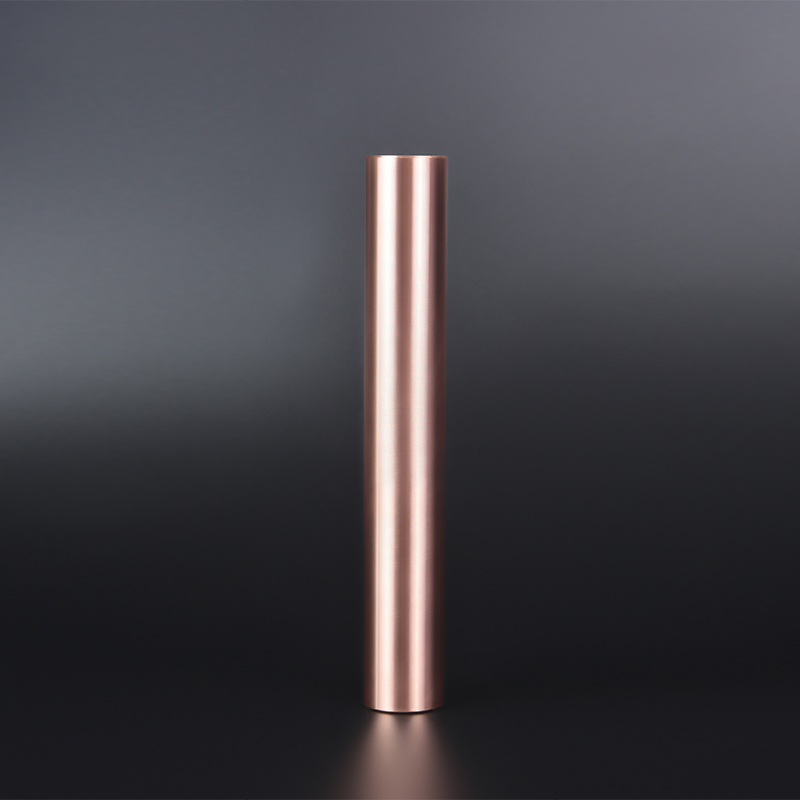 Wholesale Copper ingot Manufacturer,Copper ingot Company- Ningbo Chuangrun New MNingbo Chuangrun is Copper ingot manufacturer and Copper ingot company, our Copper ingot are engineered for precision applications, meets...View Product →
Minimum Copper Content by Grade
Minimum copper content for common grades. The scale starts at 99.85 percent to make purity differences visible.
How to Verify Copper Purity Before You Buy
You cannot judge trace-level purity by color, weight, or a magnet. A magnet test can help you identify steel-core or aluminum-core copper, but it cannot distinguish 99.9 percent copper from 99.99 percent copper. For that, you need measurement methods that look at electrical behavior or chemical composition.
The two most common professional solutions are conductivity measurement and spectrometry.
Conductivity Measurement
Eddy-current conductivity meters measure how well a sample conducts electricity. High-purity copper typically shows a conductivity near 100 percent IACS. The method is fast and non-destructive, and it is useful for checking incoming material. However, conductivity can be affected by cold work, grain size, and temperature, so it should be combined with a chemical test for final acceptance.
Spectrochemical Analysis
Optical emission spectrometry, glow discharge mass spectrometry, and ICP-based methods identify individual impurities at low concentrations. For 4N, 5N, or 6N copper, this type of analysis is usually required. Specific gravity can be used as a rough check, but it is no guarantee; for example, trace lead can be alloyed in a way that changes the density relationship.
Always request a mill test certificate or batch-specific analysis. If the material will be used in a demanding application, ask whether the supplier can provide a third-party lab result.
How Purity Affects Real-World Performance
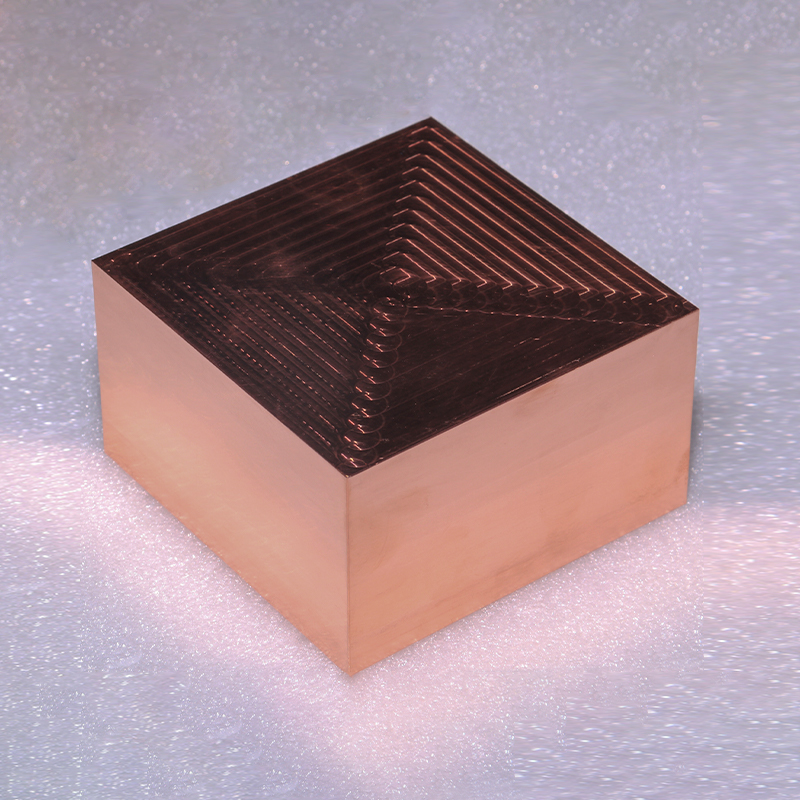
Purity has a direct impact on manufacturing yield and component reliability. In semiconductor and display manufacturing, a trace impurity in a sputtering target can create particles or alter the electrical behavior of the deposited film. This is why OEMs often require a material with documented chemistry and consistent grain structure. An oxygen-free copper target is a common example of a high-purity product that must meet strict trace-element requirements.
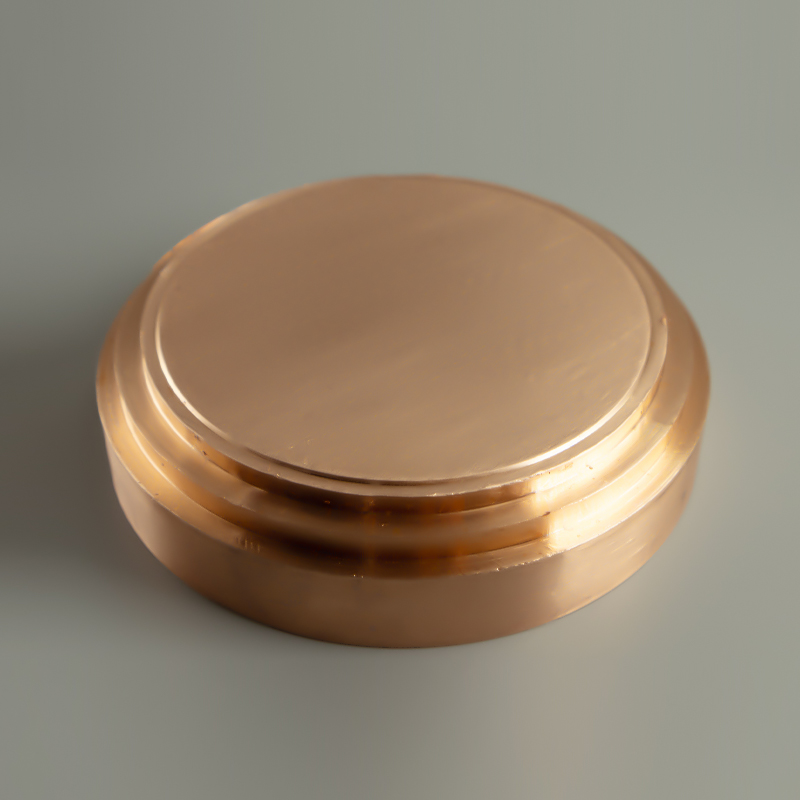 Wholesale Copper target Manufacturer,Copper target Company- Ningbo Chuangrun NewNingbo Chuangrun is Copper target manufacturer and Copper target company, our Copper target are engineered for precision applications, me...View Product →
For vacuum systems and hermetic assemblies, oxygen-free copper is preferred because residual oxygen can react with hydrogen during brazing or welding, forming water vapor and causing embrittlement. The difference between C11000 and C10100 may look small on paper, but it changes how the material can be processed.
In power transmission and busbar systems, ETP copper is widely used because it offers a good balance of conductivity, strength, and cost. The application decides the grade. If you are working on semiconductor applications, you will need much tighter purity control than a general electrical component would require.
What to Look for When Buying High-Purity Copper
When you compare quotes from different copper suppliers, focus on three things: the grade standard, the documented analysis, and the process behind the product. The shortest spec line on a quotation can hide significant differences in quality.
- Confirm the exact grade designation, such as C10100, C10200, or C11000, and the applicable standard.
- Ask for a full chemical analysis that includes oxygen and volatile impurities, not just copper content.
- Check the product form and surface condition. An ingot, rod, tube, target, or piece will face different processing requirements.
- Ask how the material was melted, cast, and handled. Even a high-purity melt can be contaminated during rolling, machining, or packaging.
- Request certificates or arrange a third-party test before committing to a batch.
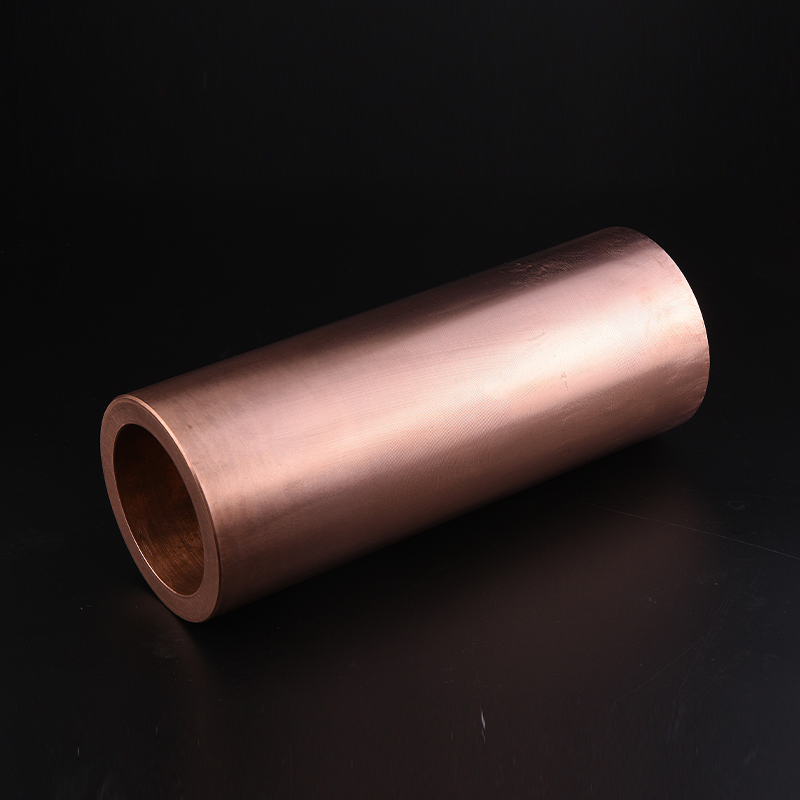
If your component will be machined or welded, the form matters as much as the chemistry. A precision copper tube with tightly controlled dimensions saves time in downstream processing, while an ingot with a controlled interior structure gives a fabricator a predictable starting point.
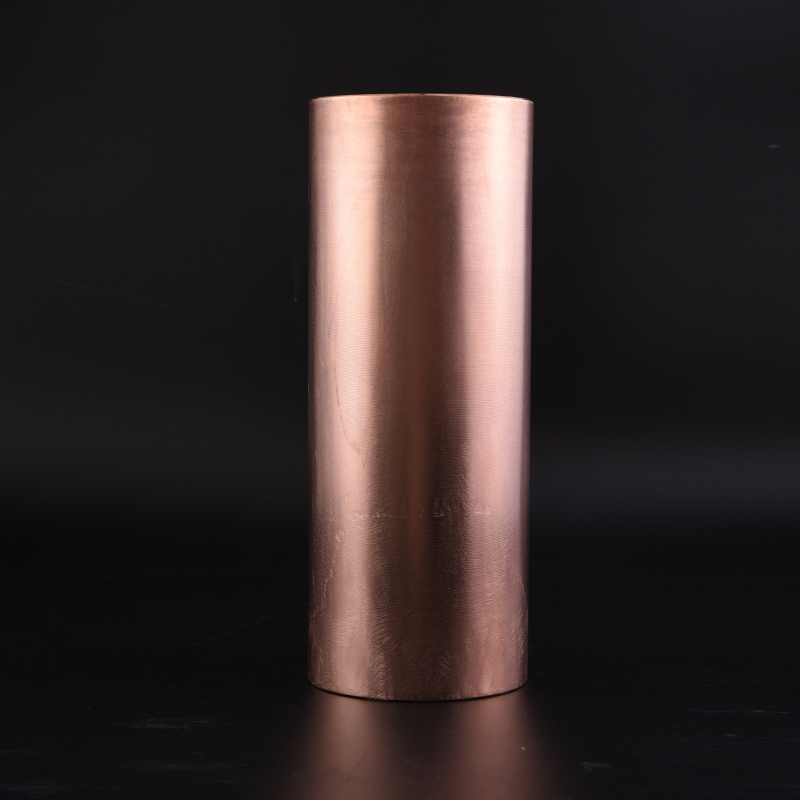 Wholesale Copper tube Manufacturer,Copper tube Company- Ningbo Chuangrun New MatNingbo Chuangrun is Copper tube manufacturer and Copper tube company, our Copper tube are engineered for precision applications, meets th...View Product →
If you have a specific purity target and application in mind, contact the CRNMC team with your requirements and ask for the relevant test data before you place an order.
Frequently Asked Questions About Copper Purity
Is 99.9 percent copper good enough?
It depends on the application. 99.9 percent copper is often acceptable for conductors, busbars, and heat exchangers. For vacuum electronics, semiconductor targets, or high-frequency components, 99.99 percent or higher is usually required.
Can I test copper purity without a laboratory?
A magnet test, a scratch test, and specific gravity measurements can help you detect obvious fake or alloyed copper, but they cannot verify trace-level purity. Reliable purity verification needs conductivity testing and chemical analysis.
What does "oxygen-free" copper mean?
Oxygen-free copper is produced without adding oxygen during refining and casting. The oxygen content is kept very low, which reduces the risk of hydrogen embrittlement and makes the material more stable in vacuum and brazing processes.
Does higher purity always mean better performance?
No. Higher purity usually improves electrical conductivity and consistency in critical applications, but it also changes cost and processing behavior. The best choice is the grade that meets the performance requirements of your process without unnecessary expense.