English
High Purity Copper Guide: Grades, Production Methods, Applications & Buying Tips
Content
A purchasing manager recently compared two quotes for 4N copper and found one supplier charging nearly half the price of the other. Both materials were 99.99% copper by metallic purity, but the cheaper batch had been remelted from conventional rolled stock in an uncontrolled atmosphere, while the other was vacuum melted with controlled casting. On paper the grades were identical. In a sputtering chamber or a vacuum brazing furnace, the behavior was not the same.
High purity copper is not a single product. It is a set of measurable specifications: metallic purity, oxygen content, trace impurity limits, and process history. These parameters decide whether copper performs in semiconductor deposition, radio-frequency components, flat panel displays, or high-current connectors. Understanding how they connect helps you buy the right grade, test the right properties, and avoid a failed batch.
Most sourcing mistakes come from treating purity as one number. A mill certificate that says 99.99% copper is only the starting point. The questions that follow matter more: How was the copper melted? What is the oxygen level? Is the grain structure consistent enough for your process? This guide walks through those questions in the same order a quality engineer should ask them.
What counts as high purity copper
The industry uses "N" notation to describe copper purity. The number before N stands for the number of nines in the copper content. 4N copper is 99.99% copper, and 5N is 99.999%. The table below summarizes the grades that matter in electronic manufacturing.
| Grade | Copper content | Max total impurities | Oxygen characteristic | Typical applications |
|---|---|---|---|---|
| 3N | 99.9% | about 1000 ppm | Not tightly controlled | Bus bars, cable, general conductors |
| 4N OFHC | 99.99% | about 100 ppm | Below 5 ppm | RF components, sputtering targets, brazing wire |
| 5N | 99.999% | about 10 ppm | Controlled | Precision PVD targets, high-end wire bonding |
| 6N | 99.9999% | about 1 ppm | Tightly controlled | Semiconductor interconnects, advanced deposition |
The last two columns deserve special attention. Oxygen content and impurity distribution are often the real difference between two materials with the same nominal grade. In practice, 5N copper from a vacuum-melted source can outperform 6N copper from a poorly controlled line in a film-deposition process, because the defect type and distribution matter as much as the total impurity count.
Why 4N alone is not enough
A 4N certificate only states metallic purity. Copper that contains 99.99% copper can still hold significant oxygen if it was melted and cast without vacuum protection. During vacuum brazing or sputtering, that oxygen forms inclusions or voids that show up as film defects. Oxygen-free high conductivity copper adds a second requirement: oxygen is usually kept below 5 ppm. For thin-film and vacuum applications, the oxygen limit often matters more than the difference between 4N and 5N.
Residual resistivity ratio as a process fingerprint
Residual resistivity ratio, or RRR, is the ratio of room-temperature resistivity to resistivity near absolute zero. It reflects the combined effects of impurities and crystal defects. Annealed high purity copper typically shows RRR values from 150 to 250, while specialty grades for particle accelerators and precision magnets can reach 500 or more. RRR is useful because it is behavioral rather than analytical: it captures the final state of the copper after melting, casting and annealing, so two bars with identical GDMS reports can still differ in RRR. When a supplier cannot provide RRR data, that is a legitimate reason to ask for more detail before committing.
How high purity copper is produced
Production begins with electrolytically refined copper cathode, which is already about 99.99% pure. Reaching 5N or 6N takes additional steps: vacuum melting and degassing to remove volatile impurities, controlled casting to avoid segregation, and clean working plus annealing to prevent re-contamination.
Where impurities survive in the process
Iron, sulfur, phosphorus and silver can remain in trace amounts after electrolytic refining, and oxygen or nitrogen can be reintroduced during melting if the furnace atmosphere is not managed. Each impurity acts differently: oxygen lowers conductivity and creates internal oxidation, phosphorus changes recrystallization behavior, and iron particles cause surface defects in deposited films. Process control therefore determines the quality of the final product more than the final assay alone.
The gap between 99.9% and 99.9999% looks small on paper, but allowed impurities drop from 1000 ppm to 1 ppm.
Vacuum melting removes zinc, lead, bismuth and other volatile elements that would otherwise remain as discrete inclusions. It also protects the melt from the oxygen and nitrogen that are the most common sources of re-contamination. After melting, the copper is cast into billet or ingot form using techniques that reduce shrinkage cavities and segregation, and subsequent rolling or forging is scheduled so that impurities do not return from tooling surfaces.
For a first evaluation, a certified high purity copper ingot is the most practical format. An ingot can be traced to a specific melt, sampled for independent testing, and then rolled or extruded according to your own requirements, which gives you control rather than relying on a generic warehouse stock.
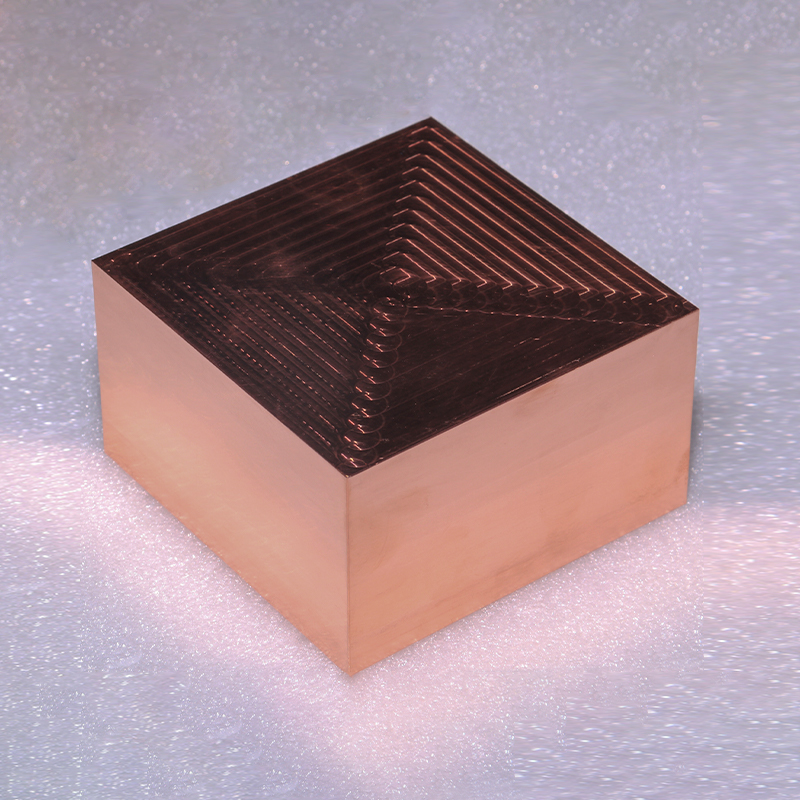
 Wholesale Copper ingot Manufacturer,Copper ingot Company- Ningbo Chuangrun New MNingbo Chuangrun is Copper ingot manufacturer and Copper ingot company, our Copper ingot are engineered for precision applications, meets...View Product →
Where high purity copper is required
The real impact of copper purity appears at the application stage. In semiconductor interconnect metallization, copper replaced aluminum because its lower resistivity improves switching speed and reduces power consumption. Sputtering targets used for physical vapor deposition require tight purity control because impurities in the target are transferred into the growing film and become device defects.
The same logic applies to radio-frequency cavities, waveguides and vacuum electron devices. Copper with low oxygen content and high RRR keeps the resistance of internal surfaces low, which directly translates into less heating and fewer signal losses at high frequency.
Three markets that define the specification
- Semiconductor manufacturing typically specifies 5N or higher for interconnect and barrier-layer processes, where metallic contamination directly affects yield.
- Flat panel display and solar energy production commonly uses 4N to 5N copper targets for transparent conductive layers and electrode stack deposition.
- New energy systems, including EV battery assemblies and high-current charging infrastructure, rely on consistent conductivity and stable contact resistance in busbars, connectors and modules.
In each of these cases the buyer is not purchasing copper as a commodity. They are purchasing predictability: the same purity, grain structure and processing response batch after batch. If you are qualifying material for deposition, a copper sputtering target with documented purity, density and grain size data is the right evaluation unit, because it tests the material under real process conditions.
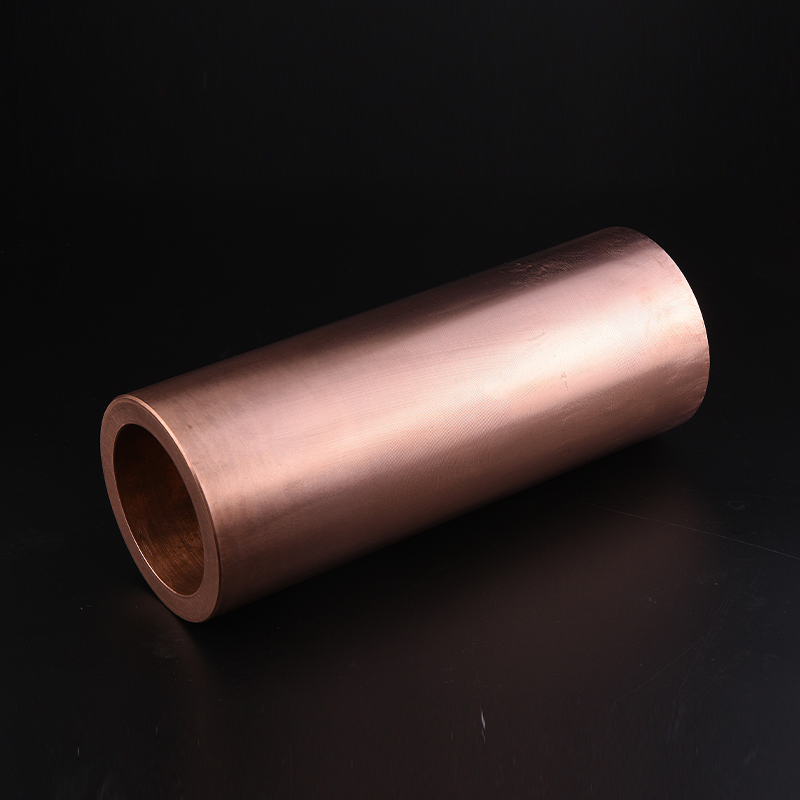
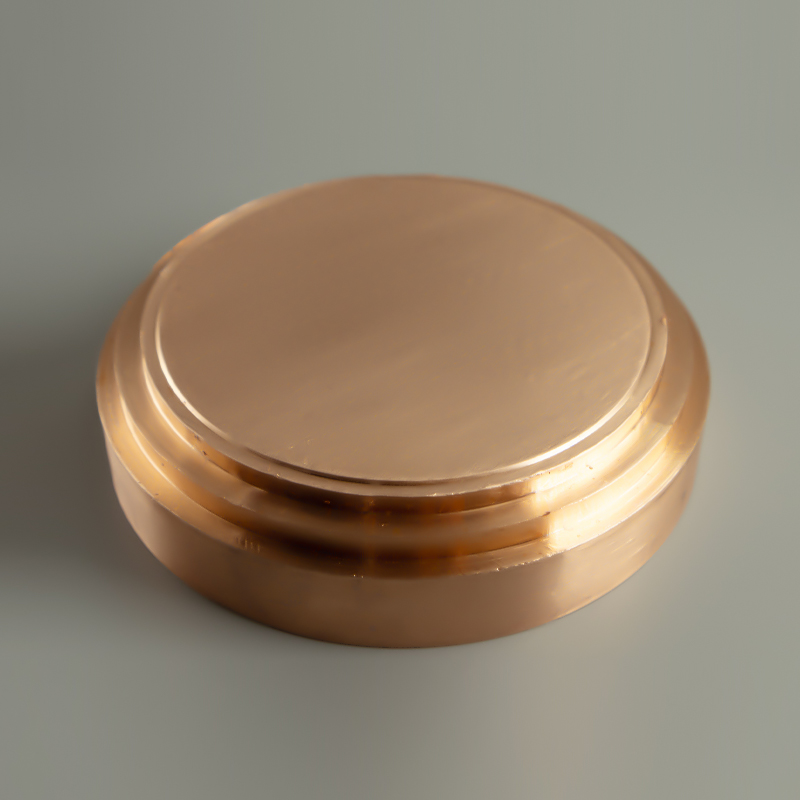 Wholesale Copper target Manufacturer,Copper target Company- Ningbo Chuangrun NewNingbo Chuangrun is Copper target manufacturer and Copper target company, our Copper target are engineered for precision applications, me...View Product →
What to check before buying high purity copper
Inspection documents and test methods
Look for quantitative results, not a label. Metallic impurities should be reported from glow discharge mass spectrometry (GDMS) or ICP-MS analysis with values in parts per million for each element. Oxygen and nitrogen should be measured separately with combustion or inert-gas fusion analyzers, because gas impurities behave differently from metallic ones and require a different test method.
Lot traceability and process history
Every ingot, rod, tube or target should reference its melt and cast numbers. Traceability matters when a downstream process fails: the mill report is the first evidence you will present to understand whether the material, the tool, or the process is at fault. Suppliers operating under ISO9001 and IATF16949 usually maintain this documentation as standard practice.
Mechanical condition and form
Ask for annealed or worked properties depending on your next process. Hardness, grain size and internal stress all affect machining behavior and final component performance. The form factor is just as practical: a copper rod fits machining-based production, while plate, tube and target forms cover most other routes.
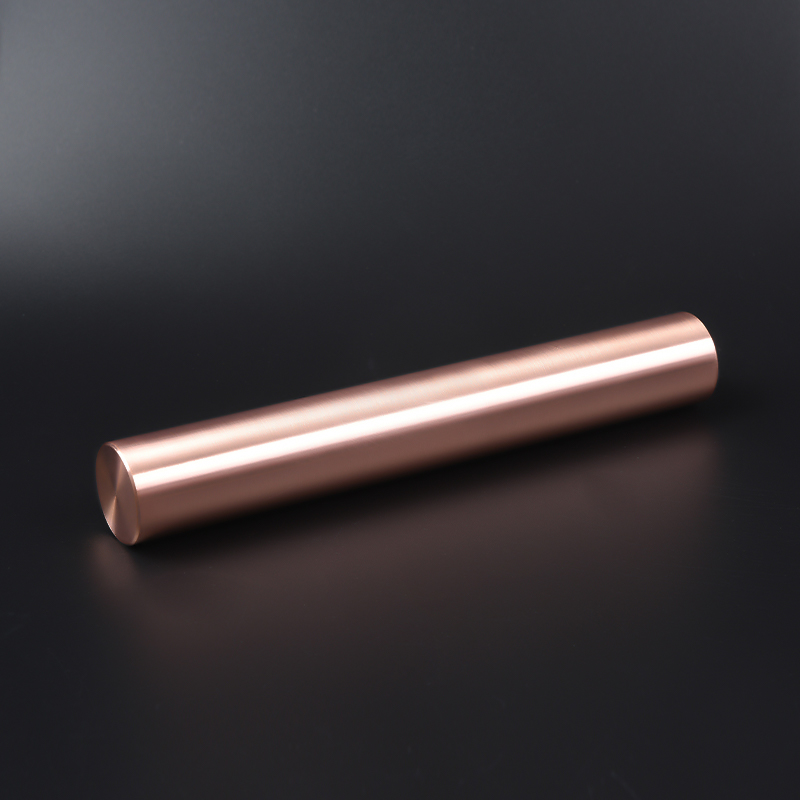
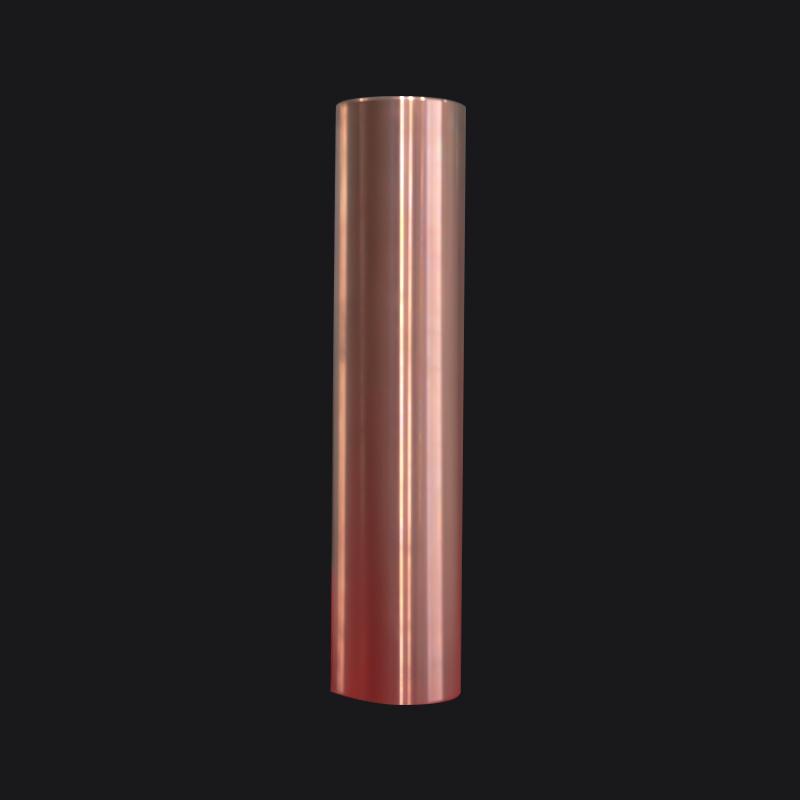 Wholesale Copper rod Manufacturer,Copper rod Company- Ningbo Chuangrun New MaterNingbo Chuangrun is Copper rod manufacturer and Copper rod company, our Copper rod are engineered for precision applications, meets the h...View Product →
Packaging and storage
Do not underestimate packaging either. High purity copper oxidizes slowly at room temperature in humid air, turning the surface brown and forming non-conductive films. Suppliers that ship in sealed nitrogen-purged packaging or foil wraps with desiccant show that they understand the material. If a rod or target arrives with visible oxides, the storage history is already suspect.
Buying from a producer that controls purification, melting, casting and processing in one facility shortens qualification time and keeps batch consistency under one roof. Ningbo Chuangrun New Materials operates five production sites and covers the whole chain internally, which gives customers a single point of responsibility for purity from melt to finished form and simpler communication when specifications change.
Frequently asked questions
Is 4N copper the same as oxygen-free copper?
No. 4N refers to metallic purity of 99.99%. Oxygen-free is a separate constraint on oxygen content. The common combination is OFHC copper, which is both 99.99% pure and essentially oxygen-free.
Which test methods confirm copper purity?
The most reliable combination is GDMS or ICP-MS for metallic impurities and inert-gas fusion analysis for oxygen, nitrogen and hydrogen. A useful report lists each element in parts per million instead of showing only a total purity number.
Does every application need 6N copper?
No. Higher purity raises cost and adds processing difficulty. Most electronic components work with 4N or 5N grades; 6N is reserved for the most sensitive semiconductor and advanced deposition applications where a single parts-per-million impurity can shift device performance.
Why did two batches of the same nominal grade behave differently in our process?
The probable causes are differences in oxygen content, grain structure, or internal stress from previous working and annealing. Two 4N materials can behave differently if one was vacuum melted and the other was not, which is why process history deserves as much attention as the purity certificate.
Why is high purity copper more expensive than standard copper?
The price gap comes from equipment, energy and verification. Vacuum melting, controlled casting, high-resolution analytical testing and tighter yields all add cost. Higher purity also means lower tolerance for scrap or process deviation, so the producer absorbs more internal rework before the material ships.