English
Ultra High Purity Metals: Why 5N-7N Ti, Ni, Cu Matter Now
Content
- 1 Why 5N, 6N and 7N Purity Grades Are Reshaping Procurement Decisions
- 2 Semiconductor Fabrication Is the Single Biggest Demand Driver
- 3 Supply Chain Realignment Is Pushing Buyers Toward Qualified Suppliers
- 4 Featured Ultra High Purity Metal Products
- 5 From Evaporation Materials to Sputtering Targets: Matching the Right Product Form
- 6 Superalloy Materials for Aerospace and High-Temperature Applications
- 7 What to Check Before Choosing a Semiconductor Grade Metals Supplier
- 8 Sourcing Strategy for the Next Buying Cycle
Global demand for ultra high purity metals is no longer a niche procurement concern — it is now a front-line supply chain risk for semiconductor fabs, aerospace primes and battery makers. Buyers evaluating an ultra high purity metals manufacturer today are looking past price sheets and asking three questions instead: can the 5N, 6N or 7N purity grade be verified batch by batch, can the material be delivered in the exact form a process requires (ingot, target, powder or evaporation pellet), and can the supplier hold that quality consistently at scale. Titanium, nickel, tantalum, niobium, copper, cobalt and molybdenum sit at the center of this shift, and the suppliers that can prove traceable purity are becoming the default choice for semiconductor grade metals sourcing.
Why 5N, 6N and 7N Purity Grades Are Reshaping Procurement Decisions
Purity grade is expressed as the number of nines in the metal content — 5N equals 99.999 percent pure, 6N equals 99.9999 percent, and 7N equals 99.99999 percent. The gap between grades looks small on paper, but it is not linear in practice. Moving from 5N to 6N typically means cutting total impurity content by a factor of ten, and 7N grade high purity materials are only produced by a small number of manufacturers worldwide because of the electron beam melting and molten salt purification capacity required.
| Purity Grade | Purity Level | Typical Total Impurities | Common Forms | Typical Use Case |
| 5N | 99.999% | ~10 ppm | Sponge, ingot, rod, powder | General aerospace and industrial alloying |
| 6N | 99.9999% | ~1 ppm | Sputtering target, evaporation material | Advanced logic and memory chip fabrication |
| 7N | 99.99999% | ~0.1 ppm | Ultra-fine target, precision plate | Leading-edge semiconductor nodes, research |
Ningbo Chuangrun (CRNMC) is one of only four companies worldwide capable of producing ultra high purity titanium at industrial scale, using an in-house molten salt electrolytic purification process combined with vacuum electron beam melting.
Semiconductor Fabrication Is the Single Biggest Demand Driver
Every new wafer fab that comes online adds direct pull on high purity materials — particularly sputtering targets and evaporation materials used to deposit thin conductive and barrier layers on the wafer. As fabs push toward smaller nodes, contamination tolerances tighten, and 6N or 7N grade becomes a qualification requirement rather than a premium option.
Indexed growth of semiconductor-grade high purity metal consumption, 2021 = 100, based on aggregated fab capacity-expansion disclosures.
Supply Chain Realignment Is Pushing Buyers Toward Qualified Suppliers
Export controls on critical and strategic metals have made single-country, single-supplier sourcing a visible risk for procurement teams. Buyers are responding by qualifying a second or third semiconductor grade metals supplier earlier in the design cycle, rather than waiting for a shortage to force the decision. The purity gap between grades below shows why substituting a lower grade is rarely a simple swap.
Featured Ultra High Purity Metal Products
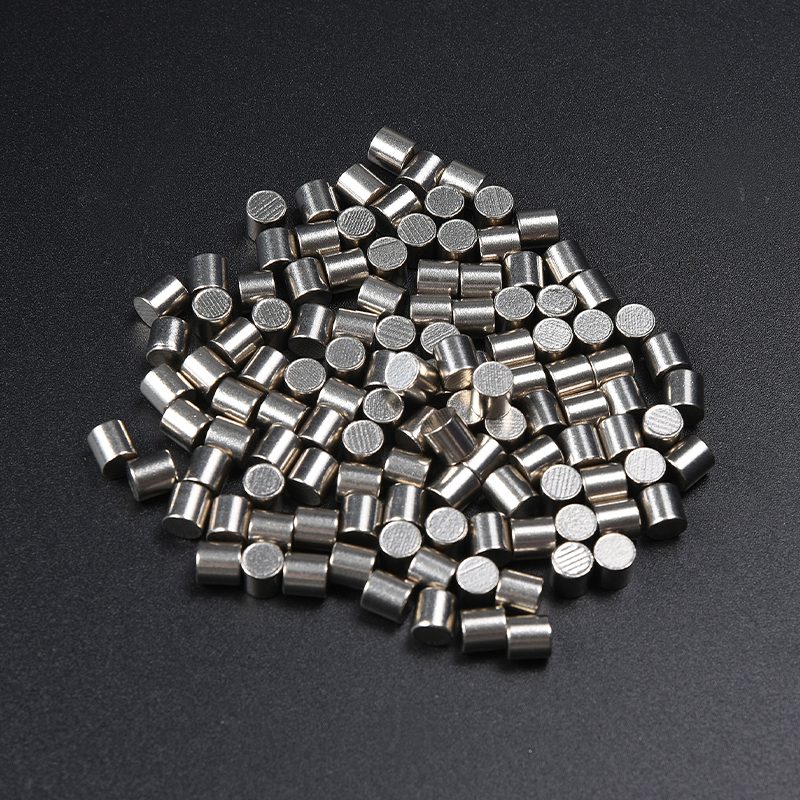
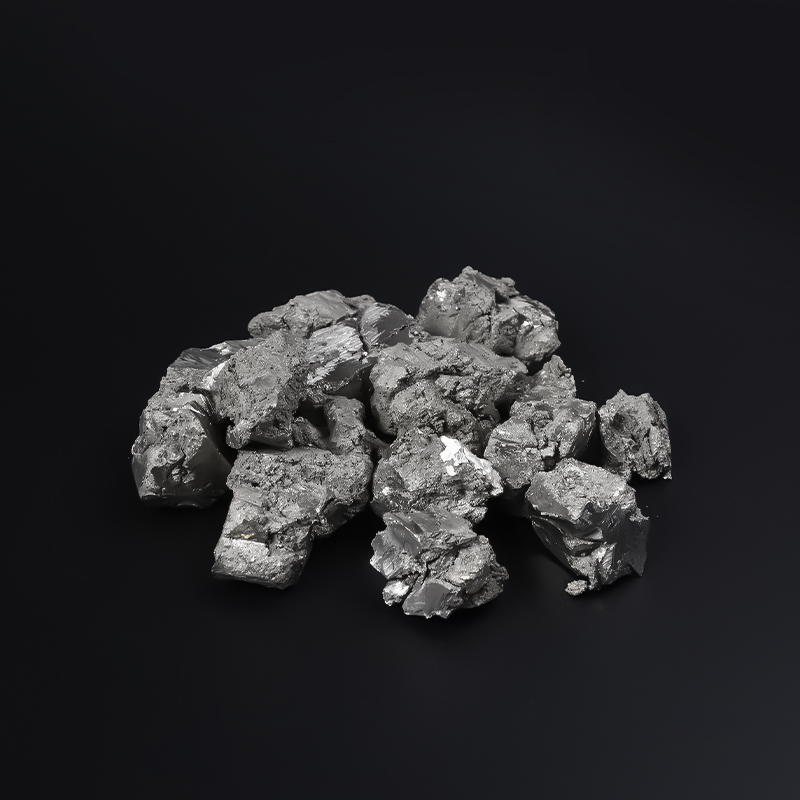
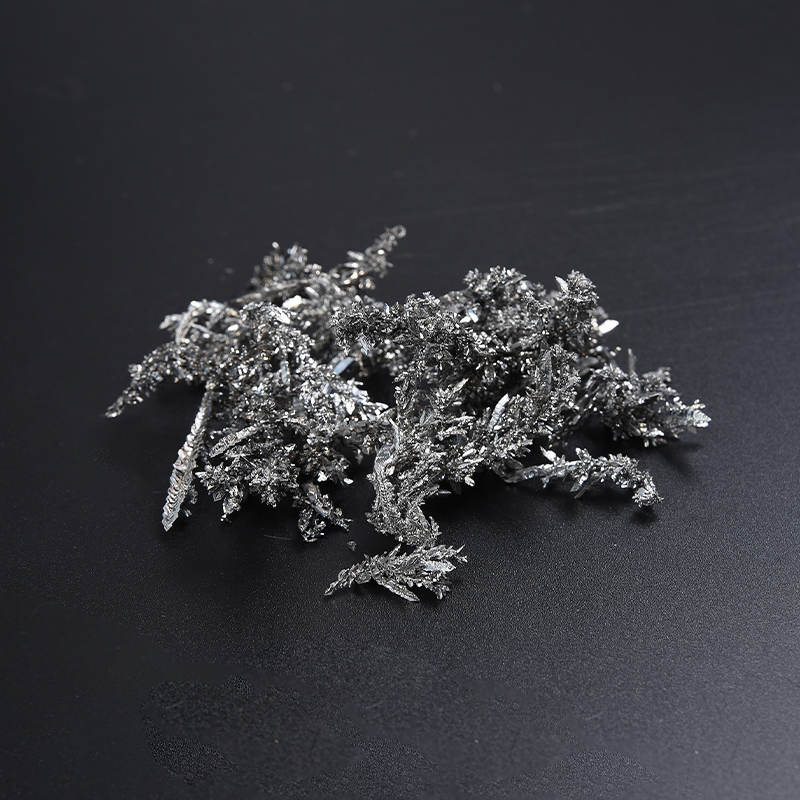
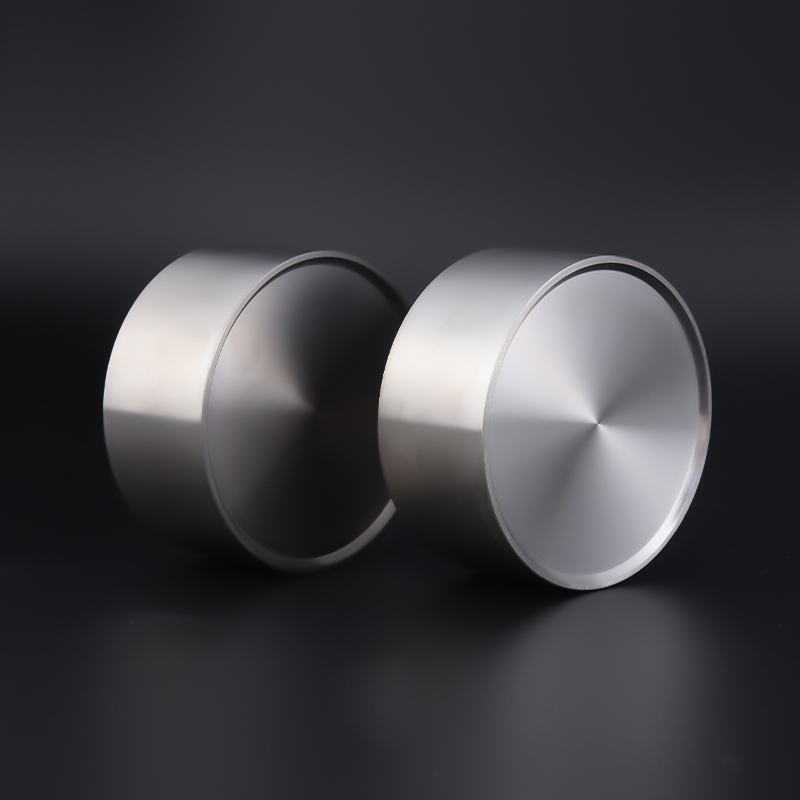
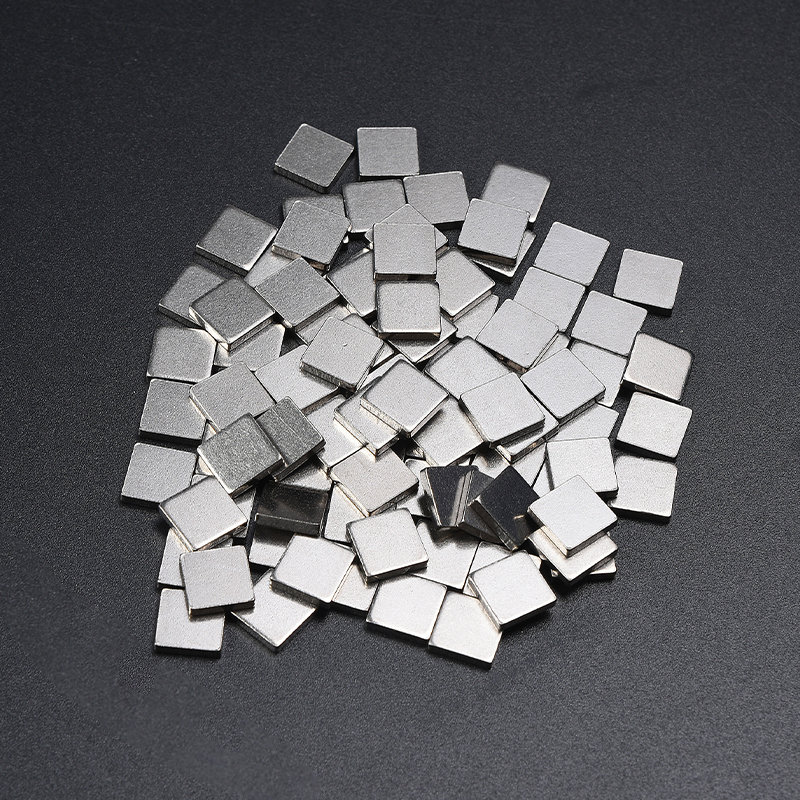
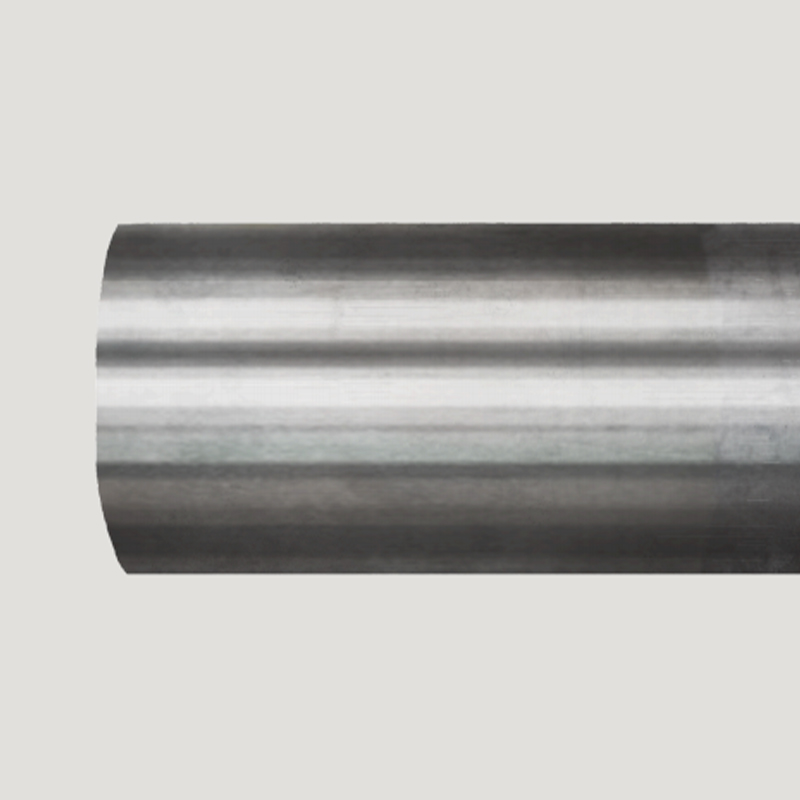
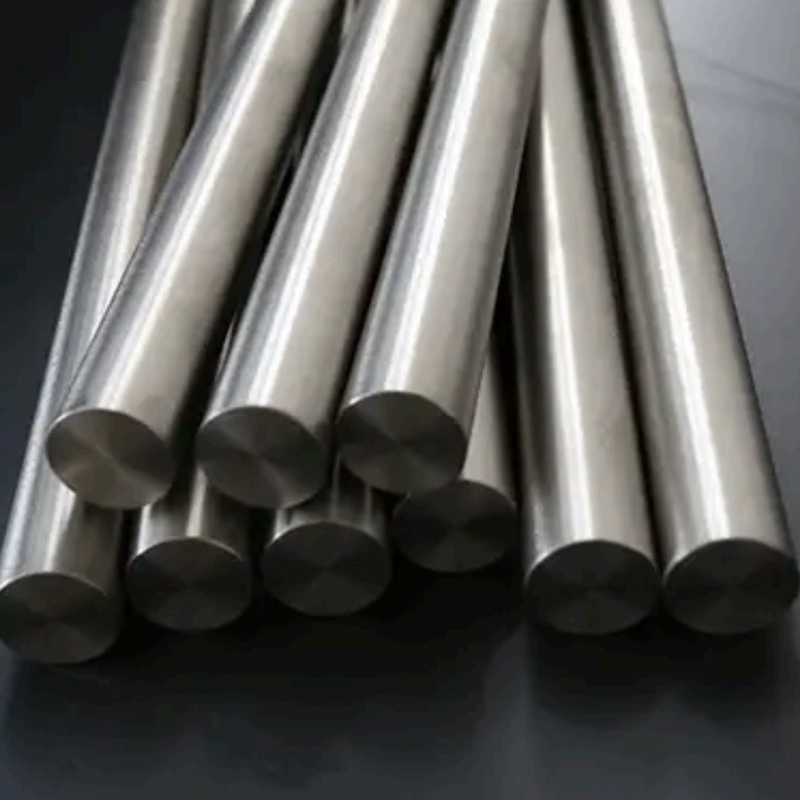
A cross-section of the product forms buyers request most often, from semiconductor sputtering targets to aerospace-grade superalloy materials.

From Evaporation Materials to Sputtering Targets: Matching the Right Product Form
Purity grade only answers half the sourcing question. The physical form of the material has to match the deposition or fabrication process, and this is where a high purity Ti supplier with in-house melting, casting and precision machining has a real advantage over a trading company reselling third-party stock.
| Product Form | Process It Serves | Representative Metals |
| Sputtering target | Physical vapor deposition on wafers and displays | Titanium, copper |
| Evaporation material | Vacuum thermal and e-beam evaporation coating | Titanium, nickel |
| Powder | 3D printing, MIM, powder metallurgy | Titanium, molybdenum |
| Ingot and plate | Structural and precision machined components | Copper, nickel, niobium |
Superalloy Materials for Aerospace and High-Temperature Applications
Outside the fab, high purity titanium and tantalum alloys remain critical for engine components, turbine blades and structural airframe parts that must hold strength and corrosion resistance under sustained heat. TC4 ELI and similar low-interstitial titanium alloys are specified precisely because trace oxygen and nitrogen content, not just bulk composition, determines fatigue life.
Tantalum retains strength above 2,000 degrees Celsius and resists most corrosive media, making it standard in turbine and combustion chamber components.
High purity titanium offers a strength-to-weight ratio that structural aluminum and steel alloys cannot match, with excellent corrosion resistance.
Molybdenum's high melting point and thermal conductivity make it suited for furnace linings, heating elements and aerospace structural parts.
What to Check Before Choosing a Semiconductor Grade Metals Supplier
- Purity consistency and COA traceability — 34%
- Customization and lead time — 26%
- Certifications: ISO, IATF, REACH — 22%
- Export compliance and logistics — 18%
- Ask for a certificate of analysis on every batch, not just the first sample shipment.
- Confirm whether purity is verified in-house or through independent third-party testing.
- Check whether the manufacturer melts and refines the metal itself or resells semi-finished stock.
- Review customization limits on size, weight and packaging for your specific process.
- Clarify export documentation and controlled-material licensing before placing a purchase order.
Sourcing Strategy for the Next Buying Cycle
Qualify early. Bring a second high purity materials source into the approval process before a shortage forces the decision.
Match grade to node. Do not over-specify 7N where 5N or 6N meets the process window; do not under-specify where it does not.
Verify manufacturing depth. Favor suppliers that melt, purify and machine in-house over resellers of third-party material.
The buyers that treat purity grade, product form and supplier traceability as one connected decision — rather than three separate line items — are the ones best positioned as semiconductor and aerospace demand for ultra high purity metals continues to climb.