English
The Unique Properties of Niobium: Why It's a Critical Material in High-Tech Industries?
Content
- 1 Naming History: From Tantalus to Niobium
- 2 Key Properties of Niobium That Make It Exceptional
- 3 Niobium Mining Industry: Where Does It Come From?
- 4 Niobium Production: From Ore to High-Purity Metal
- 5 What Is Niobium Used For? Major Industrial Applications
- 6 Niobium vs. Tantalum: Understanding the Closest Rival
- 7 Interesting Facts About Niobium
- 8 High-Purity Niobium: The CRNMC Advantage
- 9 Frequently Asked Questions About Niobium
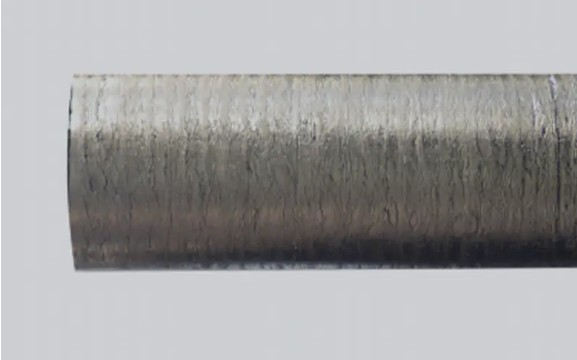
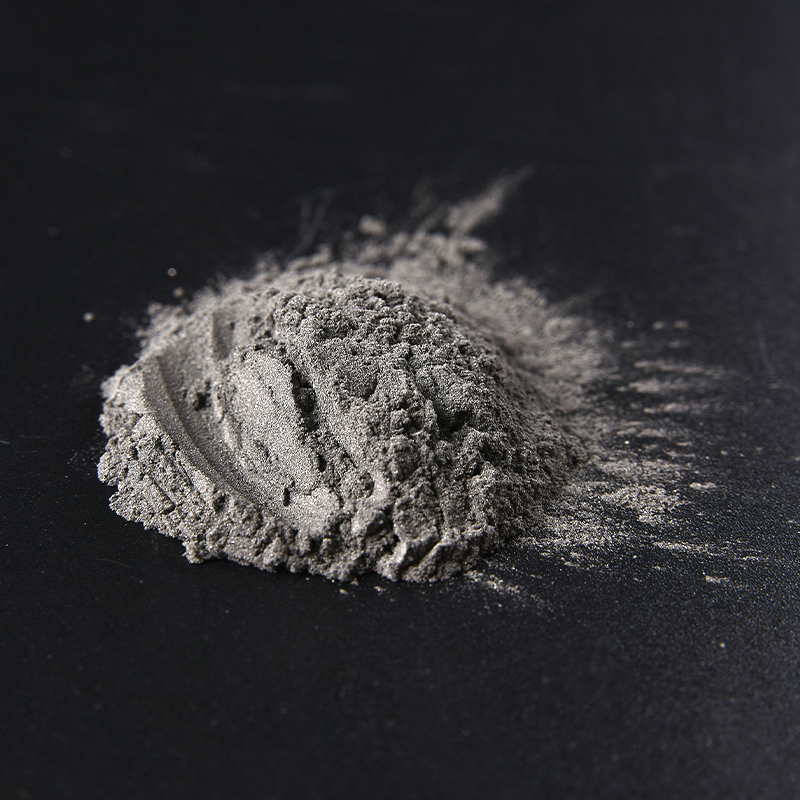
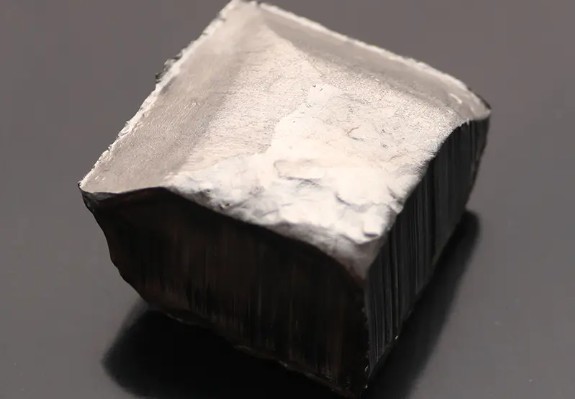
Niobium (Nb, atomic number 41) is one of the most strategically critical metals in modern high-tech industries, valued for its exceptional combination of superconductivity, high-temperature stability, and corrosion resistance. Used in everything from MRI magnets and particle accelerators to jet engine components and advanced steel alloys, niobium's unique physical and chemical properties make it irreplaceable in applications where ordinary metals fall short. Over 90% of the world's niobium supply comes from Brazil, making it both a geopolitically sensitive and industrially vital resource.
Naming History: From Tantalus to Niobium
The story of niobium's naming is one of the most contentious in the history of chemistry. The element was first identified in 1801 by English chemist Charles Hatchett, who named it columbium after Columbia (a poetic name for America), since the mineral sample came from a Connecticut collection. Shortly after, Swedish chemist Anders Gustav Ekeberg discovered tantalum, and for decades, scientists debated whether the two were actually the same element.
In 1846, German chemist Heinrich Rose definitively proved they were distinct elements and renamed the disputed element niobium, after Niobe — daughter of Tantalus in Greek mythology — to reflect its close relationship with tantalum. This name was officially adopted by IUPAC in 1950, although the name "columbium" continued to be used in American metallurgical communities well into the late 20th century.
Key Properties of Niobium That Make It Exceptional
Niobium sits in Group 5 of the periodic table and belongs to the refractory metals group. Its combination of properties is rarely matched by any single element:
Physical Properties
| Property | Value | Significance |
|---|---|---|
| Melting Point | 2,477°C (4,491°F) | Among the highest of all metals, ideal for extreme-heat applications |
| Density | 8.57 g/cm³ | Relatively low for a refractory metal; good strength-to-weight ratio |
| Superconducting Transition Temp. (Tc) | 9.25 K (−263.9°C) | Highest Tc of any elemental superconductor |
| Crystal Structure | Body-Centered Cubic (BCC) | Enables good ductility and workability |
| Hardness (Mohs) | 6.0 | Sufficient hardness for structural applications |
| Thermal Conductivity | 53.7 W/(m·K) | Efficient heat dissipation for high-power applications |
Chemical Properties
Niobium displays a remarkable resistance to corrosion at ambient temperatures. It forms a self-passivating oxide layer (Nb₂O₅) that protects it from attack by most acids, including hydrochloric and sulfuric acid. It is only attacked by hydrofluoric acid, hot concentrated alkalis, and oxidizing acids under elevated temperatures. This makes it useful in chemical processing equipment where reactive environments are standard. At temperatures above 200°C, however, niobium begins to oxidize more readily in air, requiring protective coatings in high-temperature oxidizing atmospheres.
Niobium Mining Industry: Where Does It Come From?
Niobium is primarily extracted from the mineral pyrochlore [(Na, Ca)₂Nb₂O₆(OH, F)] and, to a lesser extent, from columbite [(Fe, Mn)(Nb, Ta)₂O₆]. The global niobium mining landscape is extraordinarily concentrated:
- Brazil dominates with ~92% of global production, primarily from the Araxá deposit in Minas Gerais state, operated by CBMM (Companhia Brasileira de Metalurgia e Mineração). This single mine accounts for the majority of the world's supply.
- Canada contributes approximately 7%, through deposits in Niobec, Quebec.
- Smaller deposits exist in Nigeria, Rwanda, the Democratic Republic of Congo, and Australia.
Global niobium production stands at roughly 75,000–80,000 metric tons per year (as ferroniobium equivalent). Because of its geographic concentration, niobium is listed as a critical mineral by the United States, the European Union, and many other economies, and supply chain diversification is actively being pursued.
Niobium Production: From Ore to High-Purity Metal
Producing niobium from ore is a multi-stage process requiring sophisticated metallurgical techniques:
- Mining and concentration: Pyrochlore ore is crushed, milled, and separated by flotation to produce a concentrate of ~55–60% Nb₂O₅.
- Chemical processing: The concentrate is dissolved in hydrofluoric acid, followed by solvent extraction to separate niobium from tantalum and other impurities, yielding high-purity niobium pentoxide (Nb₂O₅).
- Reduction: Nb₂O₅ is reduced with aluminum or carbon in an aluminothermic or carbothermic reaction to produce metallic niobium or ferroniobium.
- Refining to high purity: For critical applications — superconductors, semiconductors, electronics — electron beam melting (EBM) and zone refining are employed to achieve purities of 99.9% to 99.9999%.
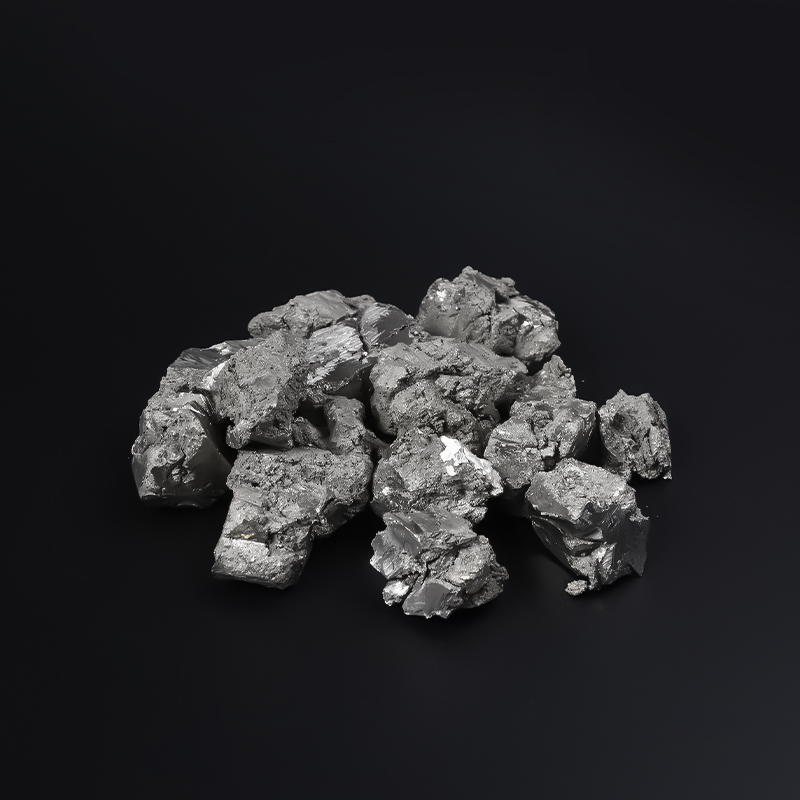
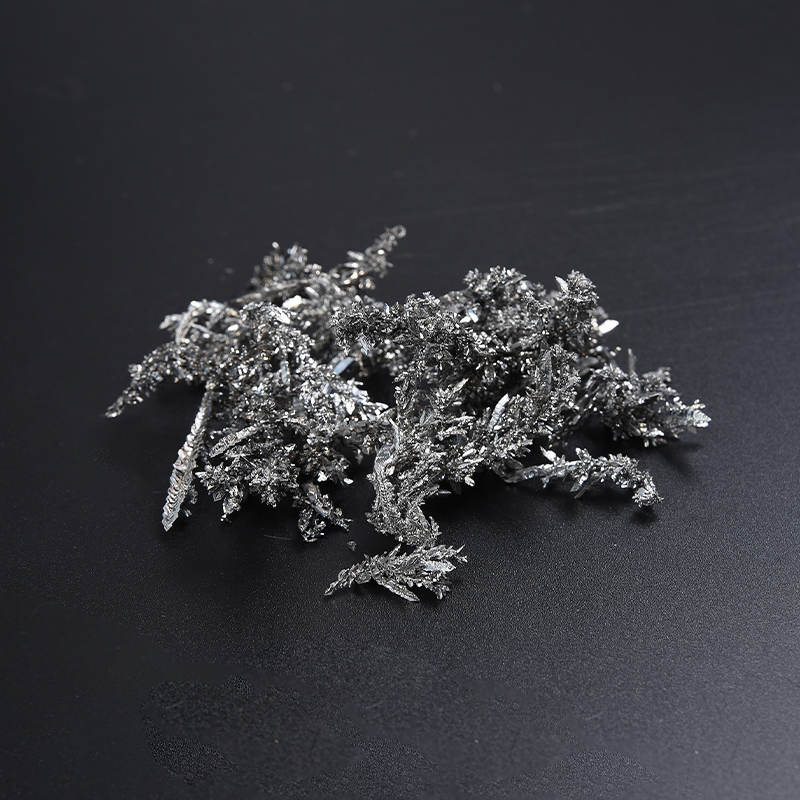
CRNMC specializes in producing high-purity niobium materials reaching 5N (99.999%), 6N (99.9999%), and 7N (99.99999%) purity levels, leveraging advanced melting and purification technology to ensure performance consistency batch after batch. These ultra-pure materials are essential for superconducting, semiconductor, and optoelectronic applications where even trace impurities can critically degrade performance.
What Is Niobium Used For? Major Industrial Applications
Niobium's applications span from bulk commodity use in steel manufacturing to ultra-specialized roles in quantum computing infrastructure. Here is a breakdown of where niobium truly excels:
Steel Alloying (Largest Volume Use)
Approximately 85–90% of global niobium consumption is as ferroniobium in steelmaking. Adding as little as 0.03–0.05% niobium to steel can increase its strength by up to 30%, allowing manufacturers to reduce material thickness and overall weight without compromising structural integrity. This is widely exploited in automotive body panels, pipelines for oil and gas transport, and structural steel for bridges and high-rise buildings.
Superconducting Materials
Niobium is the foundation of practical superconductor technology. The alloy niobium-titanium (NbTi) is used in MRI machine magnets, while niobium-tin (Nb₃Sn) is employed in high-field applications like the Large Hadron Collider at CERN and next-generation fusion reactors. Superconducting radio-frequency (SRF) cavities — the backbone of modern particle accelerators — are fabricated from bulk high-purity niobium (typically 99.9%+). These cavities transmit particle beams with near-zero energy loss, a performance impossible to achieve with any other material at comparable cost.
CRNMC's high-purity niobium products, with purities reaching 99.99%, are specifically engineered for superconducting cable and magnet manufacture, improving energy transmission efficiency and magnetic field uniformity in demanding scientific and medical systems.

Aerospace and High-Temperature Components
Niobium-based superalloys — particularly those in the C-103 family (Nb-10Hf-1Ti) — are used in rocket nozzles, jet engine hot-section components, and re-entry vehicle structures. These environments expose materials to temperatures exceeding 1,200–1,400°C, where most metals would rapidly degrade. Niobium alloys maintain structural integrity and creep resistance at these extremes. Key programs, including the Apollo lunar module descent engine nozzle, used C-103 niobium alloy.
Electronics: Capacitors and Resistors
Niobium oxide (Nb₂O₅) is a strong competitor to tantalum in capacitor manufacturing. Niobium oxide capacitors offer a more stable, non-combustible alternative to tantalum capacitors and have been adopted in consumer electronics, automotive electronics, and telecommunications equipment. Their dielectric constant and thermal stability make them attractive for miniaturized, high-reliability circuits. CRNMC's niobium materials support the production of capacitors and resistors that demand both performance and long-term electrical stability.
Optics and Semiconductors
Lithium niobate (LiNbO₃) is a pivotal material in photonics: it is used as an electro-optic modulator, an acousto-optic device, and in surface acoustic wave (SAW) filters found in 4G/5G mobile phones. LiNbO₃ modulators achieve bandwidths exceeding 100 GHz, making them indispensable for high-speed fiber-optic communications. Niobium is also emerging in quantum computing, where niobium-based Josephson junctions form the basis of superconducting qubits in systems developed by leading technology companies.
Niobium vs. Tantalum: Understanding the Closest Rival
Niobium and tantalum are chemically almost identical — they appear together in ores and share similar oxidation states — but differ meaningfully in density, price, and application suitability:
| Feature | Niobium (Nb) | Tantalum (Ta) |
|---|---|---|
| Density | 8.57 g/cm³ | 16.69 g/cm³ |
| Melting Point | 2,477°C | 2,996°C |
| Superconducting Tc | 9.25 K | 4.48 K |
| Relative Cost | Lower | Higher (~5–6×) |
| Primary Use | Steel, superconductors, aerospace | Capacitors, chemical equipment |
In capacitor applications, niobium oxide increasingly substitutes tantalum where cost and supply security are priorities, with essentially equivalent electrical performance at roughly one-third the raw material cost.
Interesting Facts About Niobium
- Niobium is biocompatible — it does not cause adverse reactions in living tissue — making it suitable for medical implants, surgical instruments, and body jewelry.
- When anodized, niobium produces a stunning range of vivid iridescent colors (gold, blue, purple, green) through thin-film light interference — no dyes or pigments are involved.
- Brazil mints commemorative niobium coins with colored centers, making them the most visually distinctive government-issued niobium coins in the world.
- Niobium has only one stable isotope: Nb-93, which makes it a mononuclidic element — one of only 22 such elements on the periodic table.
- At cryogenic temperatures, niobium transitions into a Type II superconductor — meaning it can carry superconducting currents even in the presence of strong magnetic fields, unlike Type I superconductors that lose superconductivity entirely above a threshold field.
- The global steel industry consumes more niobium annually than the entire electronics, aerospace, and superconductor sectors combined.
High-Purity Niobium: The CRNMC Advantage
Standard-grade niobium used in steel production tolerates impurity levels that would be catastrophic in superconducting or semiconductor applications. For advanced uses, purity is the defining performance variable. CRNMC produces niobium materials across a purity spectrum specifically engineered for high-end industries:
| Purity Grade | Purity Level | Key Applications |
|---|---|---|
| 3N / 4N | 99.9% – 99.99% | Superconducting magnets, aerospace alloys, electronics |
| 5N | 99.999% | SRF cavities, high-field superconducting coils, precision capacitors |
| 6N | 99.9999% | Semiconductor sputtering targets, optical coatings, quantum device substrates |
| 7N | 99.99999% | Research-grade superconductors, advanced quantum computing components |
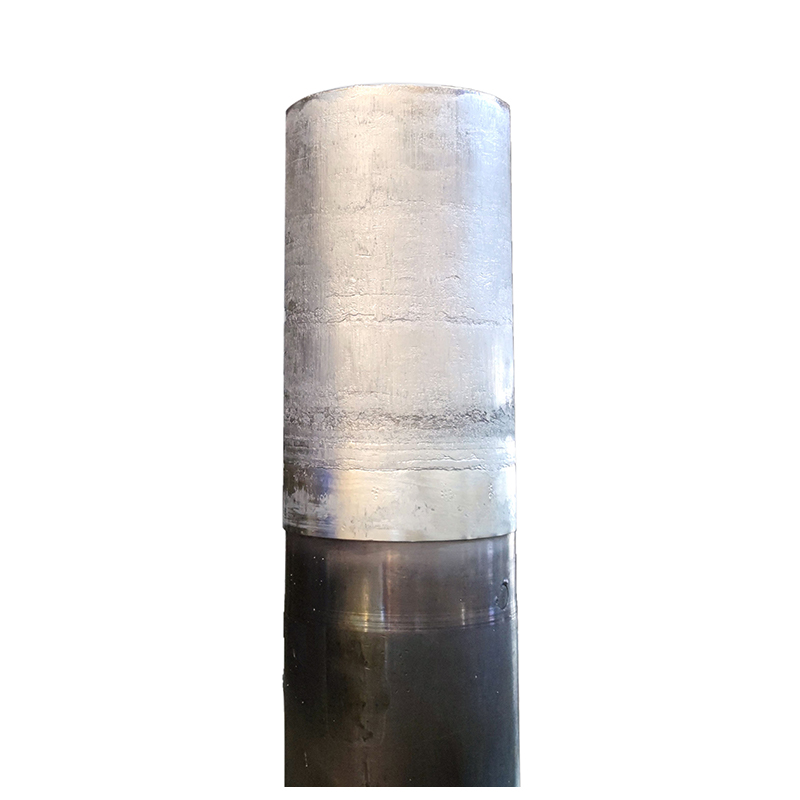
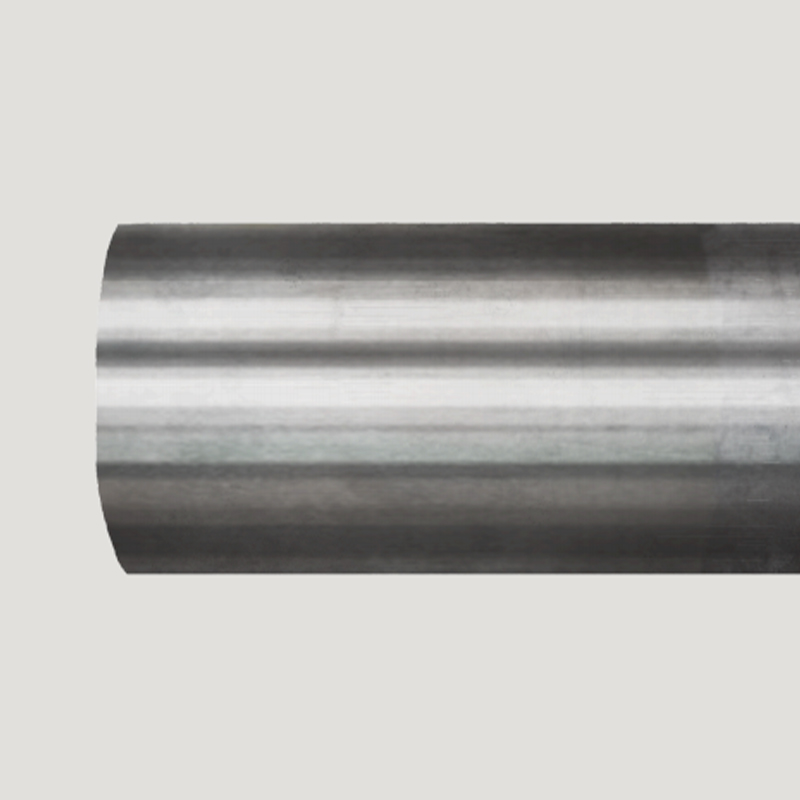
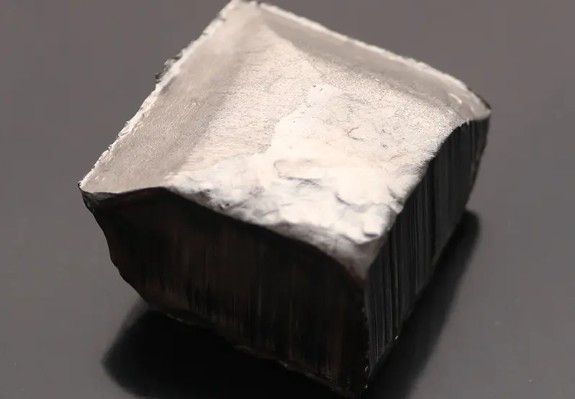
CRNMC continuously invests in R&D and introduces advanced electron beam melting and zone-refining equipment to enhance purity consistency. Custom alloy compositions and product forms — including rods, sheets, tubes, foils, and sputtering targets — are available to meet the precise requirements of each customer's application.
Frequently Asked Questions About Niobium
What makes niobium a critical material?
Niobium's classification as a critical mineral by the US, EU, and others stems from its extreme geographic supply concentration (over 90% from Brazil), the lack of functional substitutes in key applications like superconductors and high-strength steel, and its growing demand across energy, transportation, and quantum technology sectors.
Is niobium safe to handle?
Yes. Niobium metal is considered non-toxic and biologically inert in bulk form. Its biocompatibility is confirmed by its use in medical implants and body jewelry. Fine niobium powder, like all metal powders, requires standard precautions to avoid inhalation.
Can niobium be recycled?
Niobium in steel is largely non-recoverable due to dilution, but high-purity niobium components — superconducting wire, sputtering targets, electronic components — can be reclaimed and recycled through chemical reprocessing. Recycling of niobium-rich scrap is an active area of development, given supply security concerns.
What is the difference between niobium and ferroniobium?
Ferroniobium is an iron-niobium alloy (typically 60–70% Nb) used as an additive in steelmaking. It is the most commercially traded form of niobium. Pure niobium metal, by contrast, is used in superconductors, electronics, and aerospace, where iron contamination would be unacceptable.
How does niobium contribute to green energy?
Niobium contributes to decarbonization in multiple ways: it reduces steel weight in electric vehicles and wind turbine structures, enables the superconducting magnets in MRI and fusion reactors, and its potential use in solid-state batteries (niobium tungsten oxides) is actively being explored as a fast-charging anode material with theoretical charge rates far exceeding conventional graphite anodes.