English
Fuel Cell Materials: How to Specify Titanium, Nickel and Copper Feedstock
Content
A fuel cell program rarely fails because the wrong element was chosen. It fails because the right element arrived with the wrong oxygen content, the wrong particle size distribution, or the wrong surface condition. That is the awkward part of sourcing fuel cell materials: the drawing says "titanium" or "nickel," but the line that decides whether a stack lasts 8,000 hours or 3,000 sits two rows further down the specification, in the interstitial limits, the grain size and the melting route.
The practical rule is short: choose the material by degradation mechanism first, then by form factor, then by purity grade. Everything else, including brand and price, is a tiebreaker.
The Short Answer: Fuel Cell Materials Are Chosen by Failure Mode
Polymer electrolyte membrane stacks and solid oxide fuel cells draw from the same metal catalogue for opposite reasons. A PEM stack runs cool, typically 60 to 90 degrees Celsius, and wet, so the threats are plate corrosion, membrane poisoning by dissolved metal ions, and rising contact resistance at the plate-to-gas-diffusion-layer interface. An SOFC runs at 600 to 900 degrees Celsius, where the threats are interconnect oxidation, chromium volatilisation, and thermal expansion mismatch between metal, electrolyte and electrodes.
That single difference explains most of the material shortlist:
- PEMFC bipolar plates: graphite composites, coated stainless steel, or titanium where low mass and corrosion resistance both matter.
- SOFC interconnects: ferritic stainless steel with a protective coating, and behind it niobium and tantalum for hardware that must survive harsher thermal and chemical duty.
- Electrodes and catalyst layers: platinum-group metals in PEM, nickel in SOFC nickel-YSZ cermet anodes.
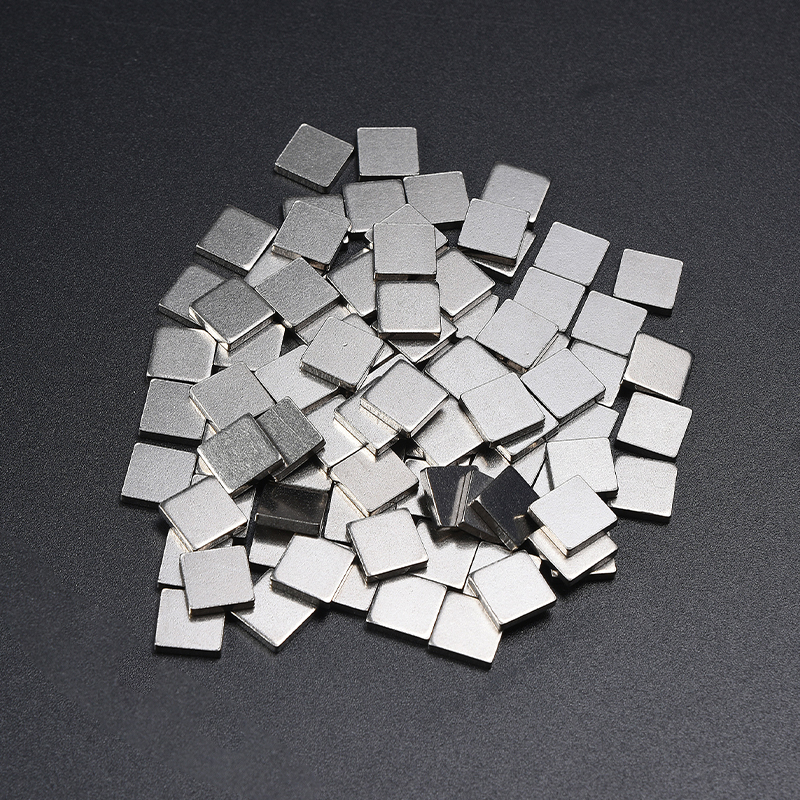
- Current collection and balance of plant: oxygen-free copper and high-purity nickel hardware.
Buying a higher grade "just to be safe" usually buys nothing except a longer lead time and a larger risk of interstitial contamination, because over-specified material is often produced in smaller, less controlled heats.
Where High-Purity Metals Actually Enter the Stack
Three areas account for the overwhelming majority of metal consumed in a fuel cell system.
Bipolar Plates and Interconnects
In a PEM stack, one plate per cell multiplied by hundreds of cells is the largest single materials line item. Stamped titanium plates are often 0.075 to 0.15 mm thick, which makes grain size and oxygen content anything but academic. Higher oxygen raises flow stress, makes thin-gauge stamping crack-prone, and can push contact resistance upward. Grade 1 and Grade 2 titanium dominate here, with Ti-6Al-4V ELI where higher strength is required. Flatness and surface finish matter as much as chemistry, because no coating can hide a 50 micron edge wave.
Nickel in Anodes and Catalyst Layers
In a nickel-YSZ cermet anode, the nickel is not a supporting actor. Particle size distribution controls the percolation network that carries electrons and catalyses fuel oxidation, so a batch centred at 3 microns behaves very differently from one centred at 10 microns. Sulfur and carbon content matter because both poison the anode surface at operating temperature, and surface oxide thickness changes how the powder behaves during tape casting or screen printing.
Coatings, Current Collectors and Balance of Plant
Copper and nickel hardware appear in current collectors, busbars and test rigs, where conductivity and machinability drive the decision. Titanium powder feeds coating routes and porous transport structures. Niobium and tantalum sit in high-temperature and corrosion-critical positions, justified by service life rather than conductivity. A large share of this demand concentrates in new energy applications, where stack durability targets translate directly into a purity specification.
What to Put on the Purchase Order
The table below is the version we wish more drawings contained. The alloy name is the least informative line on it.
| Material | Typical role in a fuel cell | Spec that decides service life | Usual form |
|---|---|---|---|
| Titanium Grade 1 / Grade 2 | PEM bipolar plates, end plates, current collectors | Oxygen and hydrogen content, grain size, flatness and surface finish | Plate, tube, powder |
| Ti-6Al-4V ELI | High-strength structural hardware, pressure plates | Oxygen and iron content, alpha-beta microstructure | Bar, forging stock |
| Nickel 200 / 201, 99.9% and above | SOFC nickel-YSZ anodes, catalyst layers, current collectors | Purity, particle size distribution, sulfur and carbon content | Particle, powder, ingot |
| Oxygen-free copper | Current collectors, busbars, brazing hardware | Conductivity, oxygen content, grain structure | Rod, pieces, plate, target |
| Niobium | High-temperature interconnect and coating work | Tantalum and tungsten content, grain size | Ingot, smelted ingot |
| Tantalum | Corrosion-resistant high-temperature hardware | Purity, oxygen content, density | Ingot, smelted ingot |
Form Factor Usually Decides the Supplier, Not the Metal
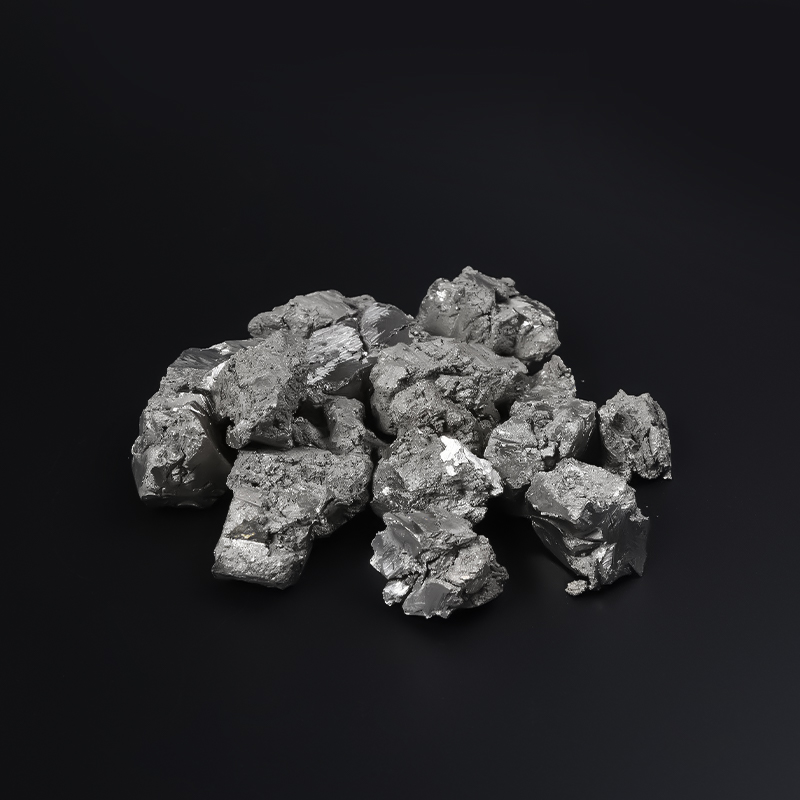
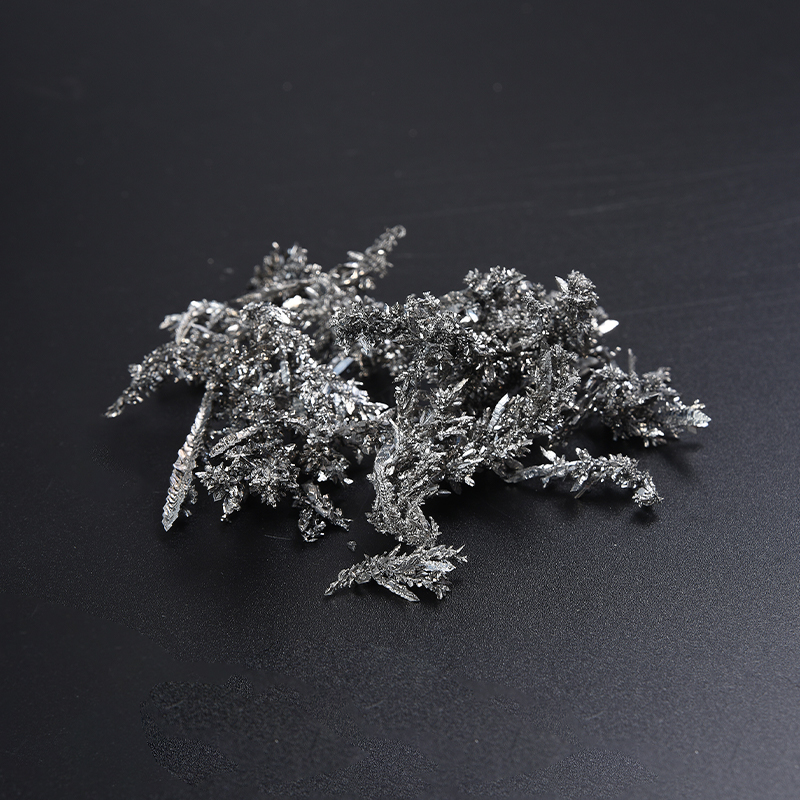
Two quotes for "99.95% titanium" can differ by a factor of three, because the form is doing the real work. Electrolytic crystal, sponge, powder and particle feed a melting or coating route. Ingot and smelted ingot are melting outputs. Plate, tube, rod, pieces and target are finished or semi-finished shapes bought against a part number. A stack developer who needs 0.1 mm stamped plate is not in the same supply chain as one who needs 45 micron titanium powder, even though both certificates read "Ti."
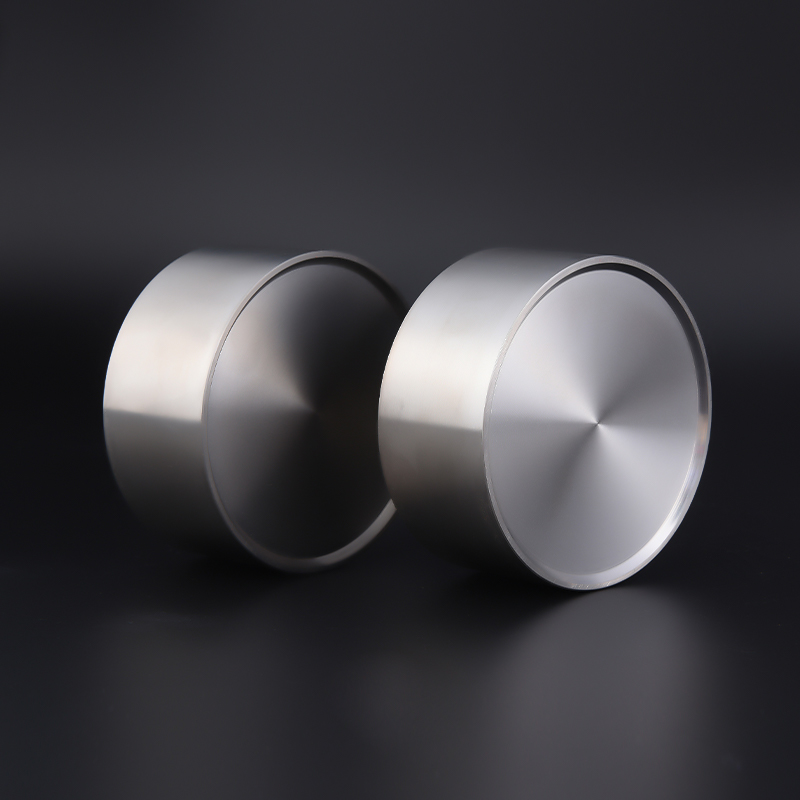
For bipolar plates, the deliverable is flat, low-oxygen titanium plate in thin gauge, with grain size and surface finish controlled so that stamping or etching does not crack it and a coating can bond to it. Ask for flatness and residual stress data alongside the chemistry certificate.
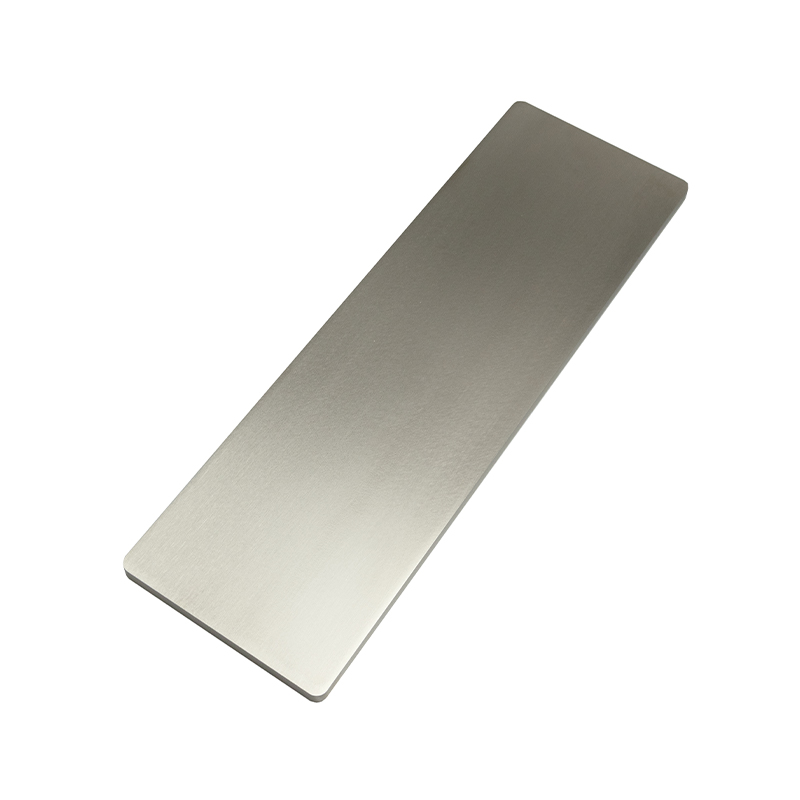 High-Purity Titanium Plate for Bipolar Plates and Critical ApplicationsHigh-purity rolled titanium plate with customizable dimensions and low impurity content, suited for aerospace, medical implants, chemical equipment, and bipolar plate applications.View Product →
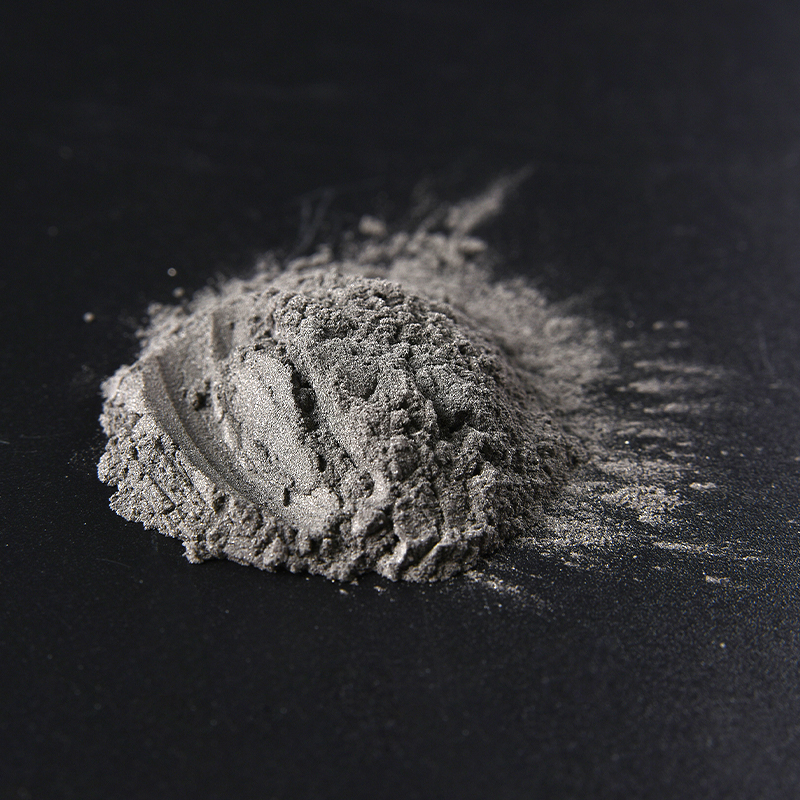
For coating routes, porous transport layers and some powder-metallurgy approaches, titanium powder is the input, and particle size distribution plus interstitial content decide how it behaves in the deposition or sintering step.
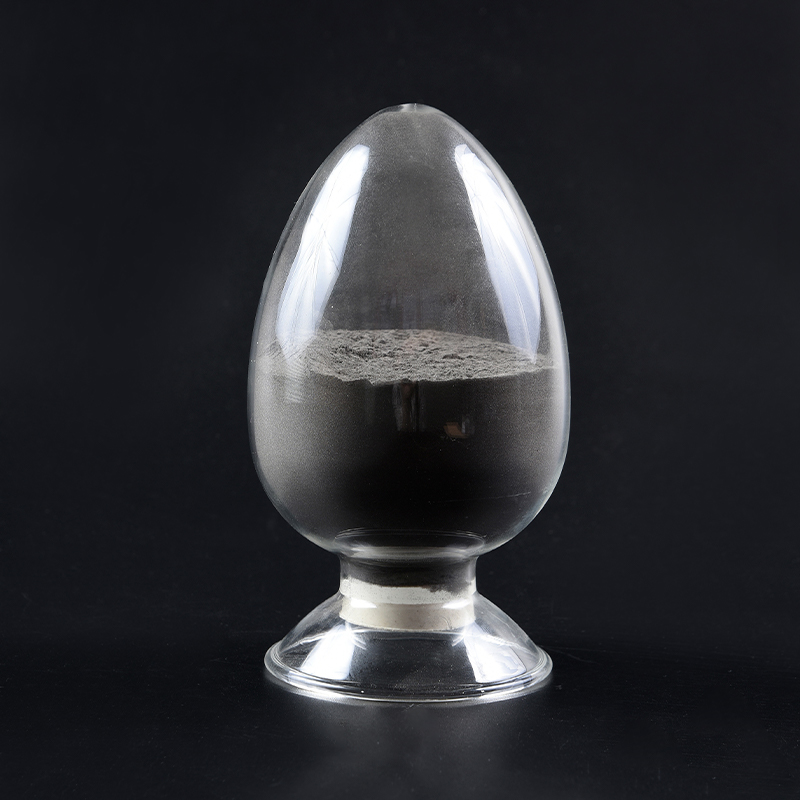 High-Purity Titanium Powder for Additive Manufacturing and Sputtering TargetsGas-atomized titanium powder with customizable particle size and high purity, suited for additive manufacturing, MIM, powder metallurgy, and sputtering target production.View Product →
For nickel-YSZ anodes and catalyst-layer work, nickel particle with a controlled size distribution and low sulfur is what keeps a cermet anode electrically percolating after thousands of hours of thermal cycling.
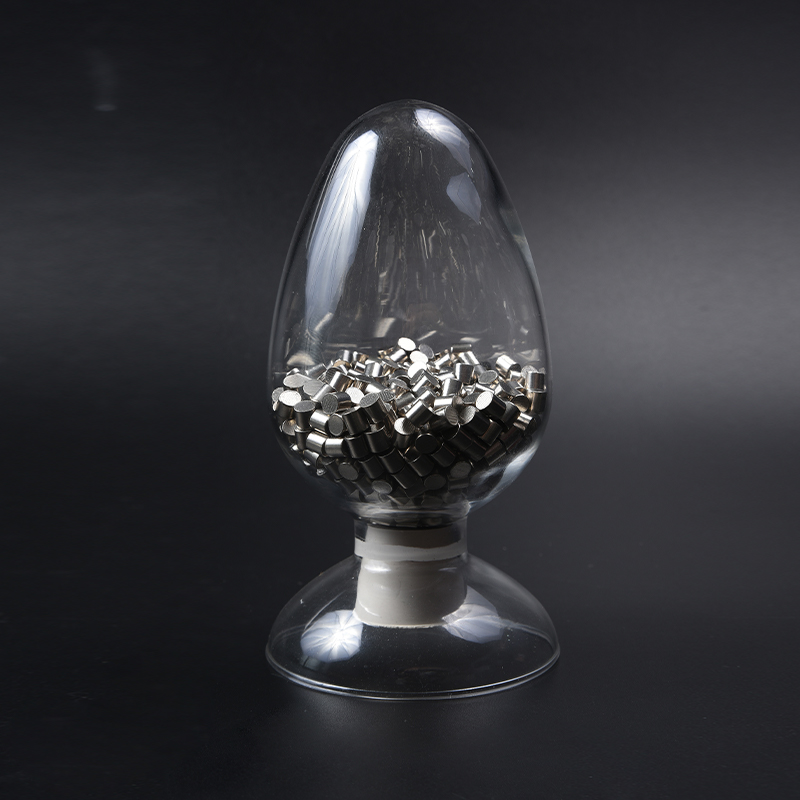 High-Purity Nickel Particle for Semiconductors and Aerospace ComponentsHigh-purity micron- or nano-sized nickel particles with customizable dimensions and low impurity levels for semiconductor, conductive paste, and aerospace applications.View Product →
The most common mixing error we see is substituting sponge or crystal for powder, or ingot for plate, to save a week of lead time. The melting route, interstitial pickup and grain refinement all differ, and the downstream process usually cannot compensate for the difference.
Procurement Risks That Only Appear After 1,000 Hours
Almost every materials complaint in this category is one of five issues, and four of them are invisible on a standard certificate of analysis.
- Interstitial contamination: oxygen, nitrogen, hydrogen and carbon picked up during melting or annealing. It raises resistivity, embrittles thin plate, and shifts high-temperature creep behaviour.
- Surface condition drift: oxide thickness and machining residue change contact resistance and coating adhesion, so two batches with identical chemistry can behave differently in the stack.
- Particle size distribution tails: a median of 3 microns means little if 15 percent of the batch sits above 15 microns. Ask for D10, D50 and D90, not a single number.
- Traceability gaps: a melting lot number that cannot be traced back to a heat number makes root-cause analysis impossible after a stack failure.
- Undocumented process change: a supplier running ISO 9001 and IATF 16949 quality systems will document each production step and notify you before a change, which costs a week up front and saves a quarter later.
The fix is unglamorous. Define the specification by function, require size distribution and interstitial limits on the certificate, and retain one sealed sample from every lot for the life of the program.
Frequently Asked Questions
Is titanium or coated stainless steel better for a PEM bipolar plate?
Both work. Stainless steel is cheaper and easier to form; titanium wins where mass matters, where the environment is aggressive, or where a longer service interval is required. The deciding number is usually corrosion current density measured under your actual operating conditions, not the alloy datasheet.
What nickel purity does an SOFC anode need?
Start from the sulfur and carbon limits your anode process can tolerate, then set purity from there. For most cermet anodes, 99.9% nickel with a tight particle size distribution outperforms a nominally higher-purity batch supplied with a wide distribution.
Can titanium sponge be substituted for powder?
Usually not. Sponge is a melting feedstock with irregular morphology; powder is engineered for flow, packing and deposition behaviour. Substitution changes the process, not just the input material.
How long should supplier qualification take?
Plan on two production lots minimum for a new supplier, and four to eight weeks for full documentation including purity testing and lot traceability. Skipping the second lot is the most expensive shortcut in this category.
If you are specifying fuel cell materials, send the drawing together with the degradation mode you are designing against. We will tell you which grade, which interstitial limits and which form actually solves the problem, and where a lower grade would perform just as well for less money and less lead time. You can contact our materials team for a specification review before the first purchase order is issued.