English
Corrosion Resistance of Titanium Meta:What Makes It So Durable?
Content
- 1 Titanium Corrosion Resistance: Performance Data Across Environments
- 2 How Tough Is Titanium? Mechanical Properties Explained
- 3 Does Titanium Steel Rust? Understanding Titanium Alloys vs. "Titanium Steel"
- 4 Does Nickel Corrode? Comparing Nickel vs. Titanium Durability
- 5 Titanium Weakness: Where Its Corrosion Resistance Fails
- 6 Is Titanium Rust-Proof? Real-World Durability in Industrial Applications
- 7 Ultra-High Purity Titanium: The Next Level of Corrosion Performance
- 8 How Durable Is Titanium Compared to Other Metals?
- 9 Frequently Asked Questions
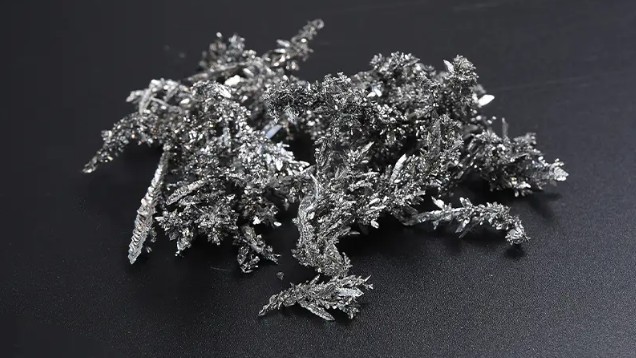
Titanium does not rust and is highly resistant to corrosion — making it one of the most durable engineering metals available. Unlike iron or steel, titanium forms a stable, self-repairing oxide layer (TiO₂) on its surface the instant it contacts oxygen or moisture. This passive film, just 2–7 nanometers thick, acts as an impenetrable shield against chemical attack. In most environments — including seawater, human body fluids, oxidizing acids, and chloride-rich atmospheres — titanium remains virtually unaffected even after decades of exposure.

Does Titanium Rust? The Science Behind Its Protection
Rust is a form of iron oxide, so technically, titanium cannot rust because it contains no iron. But the more important question is whether titanium corrodes in any form, and the answer is: rarely, and only under extreme conditions.
When titanium is exposed to air or water, it instantly reacts with oxygen to form titanium dioxide (TiO₂), a chemically inert, tightly adhering oxide film. This passive layer has several critical properties:
- Forms within milliseconds of exposure to oxygen or moisture
- Self-repairs if scratched or damaged — no coating or treatment needed
- Resistant to most acids, alkalis, and chloride solutions
- Stable from –200°C to over +600°C in oxidizing environments
Compared to stainless steel, which relies on a chromium oxide film that can break down in concentrated chloride environments, titanium's TiO₂ film is more chemically stable and reforms faster under damage.
Titanium Corrosion Resistance: Performance Data Across Environments
Titanium's corrosion resistance is not just theoretical — it has been measured and validated across hundreds of industrial environments. Below is a comparison of titanium's corrosion rates against common metals in key media:
| Environment | Titanium | 316L Stainless Steel | Carbon Steel | Nickel |
|---|---|---|---|---|
| Seawater (25°C) | <0.001 | 0.01–0.1 | 0.1–0.5 | 0.005–0.05 |
| 10% HCl (boiling) | <0.05 | Rapid attack | Rapid attack | 0.5–2.0 |
| 30% H₂SO₄ (25°C) | <0.02 | 0.3–1.0 | Rapid attack | 0.1–0.5 |
| Chloride solutions | Immune | Pitting possible | High | Low–moderate |
| Body fluids / physiological | Virtually zero | Moderate | High | Ion leaching |
These figures confirm that titanium corrosion resistance is among the best of any structural metal, especially in chloride-rich and oxidizing acid environments where stainless steels often fail.
How Tough Is Titanium? Mechanical Properties Explained
Beyond corrosion resistance, titanium's mechanical toughness is what makes it extraordinary. Its strength-to-weight ratio is the highest of any structural metal — titanium is as strong as many steels but 45% lighter.
Key Mechanical Properties (Grade 5 Ti-6Al-4V)
- Ultimate Tensile Strength: 950 MPa
- Yield Strength: 880 MPa
- Density: 4.43 g/cm³ (vs. steel at 7.8 g/cm³)
- Elastic Modulus: 114 GPa
- Fatigue Limit: ~500 MPa (exceptional for rotating parts)
- Service temperature range: –200°C to +600°C

This combination of low density, high strength, and excellent fatigue resistance is why titanium is used in aircraft engine components and airframe structures — where every kilogram saved translates to direct fuel savings. In commercial aviation, a 10% weight reduction yields approximately 7–10% fuel efficiency improvement.
Does Titanium Steel Rust? Understanding Titanium Alloys vs. "Titanium Steel"
The term "titanium steel" is frequently misused in consumer products. It generally refers to one of two things:
- True titanium alloys (e.g., Ti-6Al-4V) — these do not rust and have exceptional corrosion resistance
- Marketing language for stainless steel, which can rust under prolonged chloride exposure or in crevice conditions
If a product is labeled "titanium steel" but is priced like ordinary steel, it is almost certainly stainless steel. Genuine titanium alloys are 3–10× more expensive than stainless steel due to the complexity of extraction and processing. True titanium alloys will not rust under any normal environmental conditions.
Does Nickel Corrode? Comparing Nickel vs. Titanium Durability
Nickel and nickel alloys (such as Inconel or Hastelloy) are also corrosion-resistant, but they behave differently from titanium in key ways:
| Property | Titanium | Nickel |
|---|---|---|
| Will it rust? | No | No (but can tarnish/oxidize) |
| Does nickel corrode? | N/A | Yes, in oxidizing acids and some alkalis |
| Seawater resistance | Excellent | Moderate |
| Biocompatibility | Excellent (ISO 10993) | Poor (nickel allergy common) |
| High-temp oxidation (>600°C) | Degrades above 600°C | Superior (Ni alloys to 1000°C+) |
| Weight | 4.51 g/cm³ (lighter) | 8.90 g/cm³ |
Will nickel rust? Not in the traditional sense, but nickel does corrode in nitric acid, ammonia, and certain high-temperature oxidizing environments. For applications where both corrosion resistance and biocompatibility matter — such as implants or food processing — titanium is the clear superior choice over nickel.
Titanium Weakness: Where Its Corrosion Resistance Fails
No material is perfect. Titanium does have documented weaknesses that engineers must account for:
Chemical Environments Where Titanium Can Corrode
- Dry chlorine gas or anhydrous conditions — without moisture to maintain the TiO₂ layer, titanium can react aggressively above 130°C
- Concentrated reducing acids — pure HF (hydrofluoric acid) dissolves titanium rapidly; very high concentrations of HCl at elevated temperatures also attack it
- Red fuming nitric acid can cause stress corrosion cracking in certain titanium grades
- Temperatures above 600°C in air — oxidation becomes significant, and the oxide layer thickens uncontrollably
Other Practical Weaknesses
- Low wear resistance — titanium galls easily during metal-on-metal sliding contact; surface treatments (nitriding, PVD coatings) are often required
- High cost — raw titanium sponge and processing costs are 5–20× higher than carbon steel
- Difficult machining — low thermal conductivity causes heat build-up at cutting tools; specialized tooling is required
- Lower elastic modulus than steel — may flex more under load in stiffness-critical applications
Understanding titanium's weaknesses is essential for proper material selection. In the vast majority of industrial, medical, and marine applications, these weaknesses are irrelevant — and titanium's corrosion immunity remains its defining advantage.
Is Titanium Rust-Proof? Real-World Durability in Industrial Applications

Yes — titanium is effectively rust-proof under all normal environmental and most industrial conditions. This has been demonstrated across decades of real-world service:
- Offshore oil platforms: Titanium heat exchangers and risers in the North Sea have shown <0.01 mm/year corrosion over 20+ years
- Medical implants: Titanium dental implants and orthopedic joints maintain structural integrity in the body for 15–30 years with zero corrosion-related failure
- Chemical reactors: Titanium-lined vessels handling chlorine chemistry and bleach production show no measurable wall thinning after 15 years of continuous service
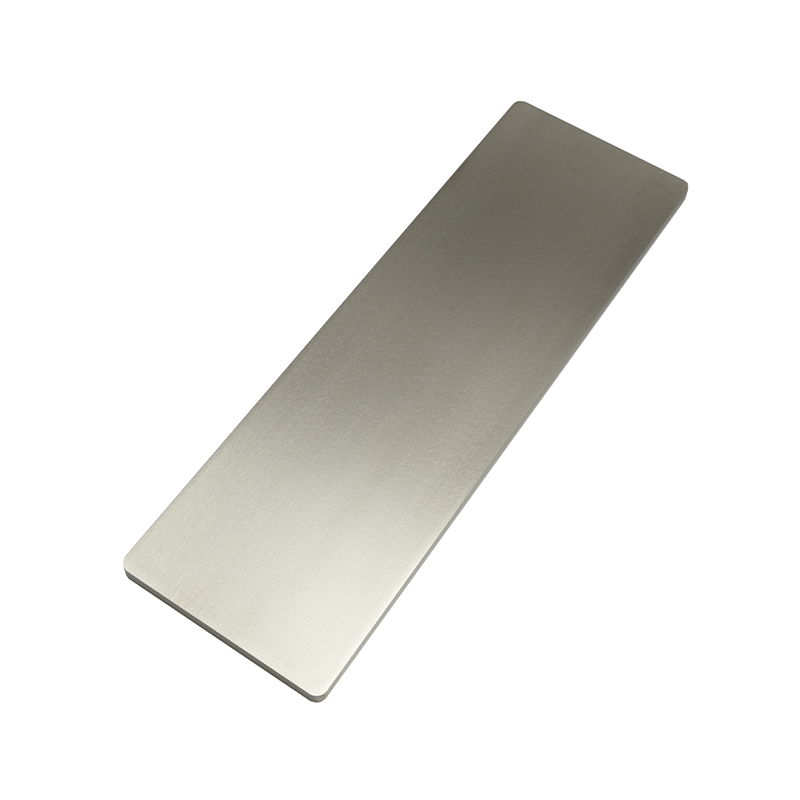
- Semiconductor fabrication: Ultra-high-purity titanium sputtering targets (5N and above) are used in chip manufacturing, where even trace contamination ruins device performance — titanium's chemical stability is critical
Ultra-High Purity Titanium: The Next Level of Corrosion Performance
Standard commercial-grade titanium (99.5–99.9% purity) performs excellently in most applications. However, for the most demanding environments — semiconductor chip fabrication, advanced aerospace, and precision medical devices — ultra-high purity titanium (5N, 6N, 7N grade, ≥99.999%) offers significantly superior performance.
At higher purities, trace impurities such as iron, oxygen, nitrogen, and carbon that can create local galvanic cells or weaken the passive oxide layer are eliminated. The result is titanium with:
- More uniform, defect-free TiO₂ passive films
- Reduced susceptibility to hydrogen embrittlement
- Better performance in ultra-clean vacuum and semiconductor environments
- Consistent, predictable electrochemical behavior

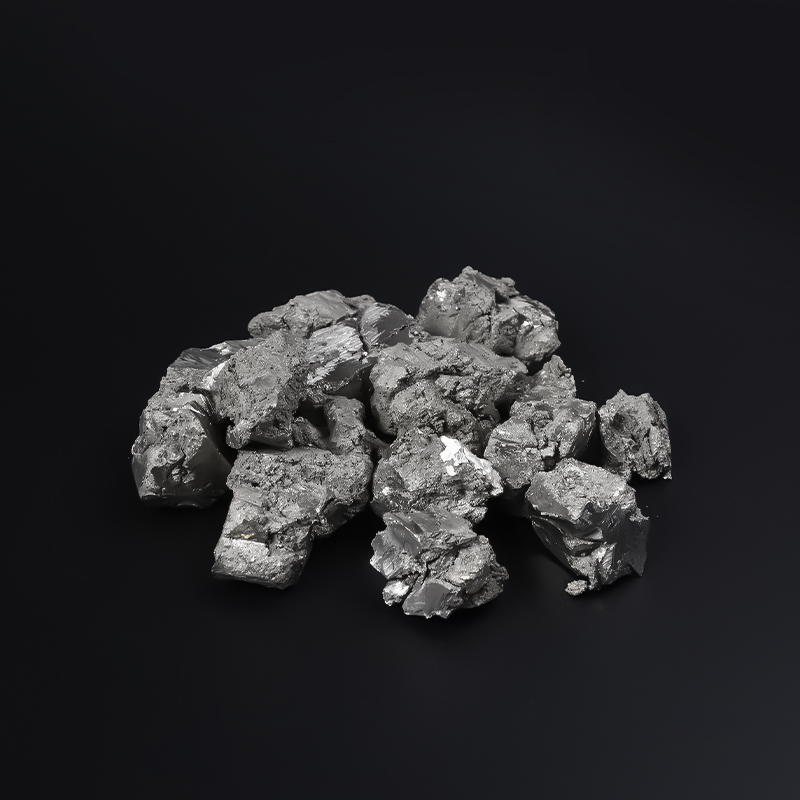
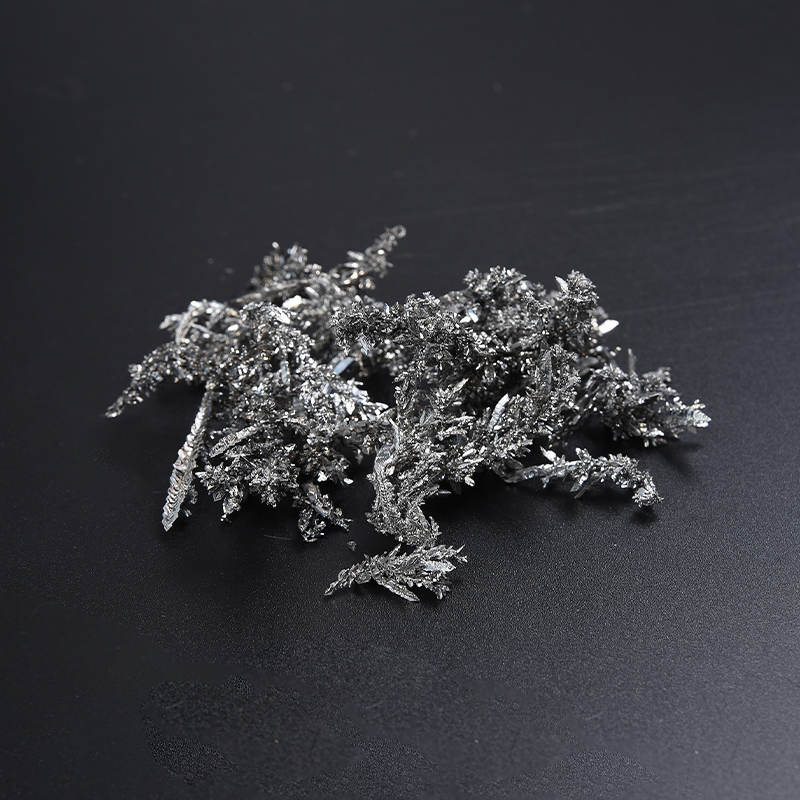
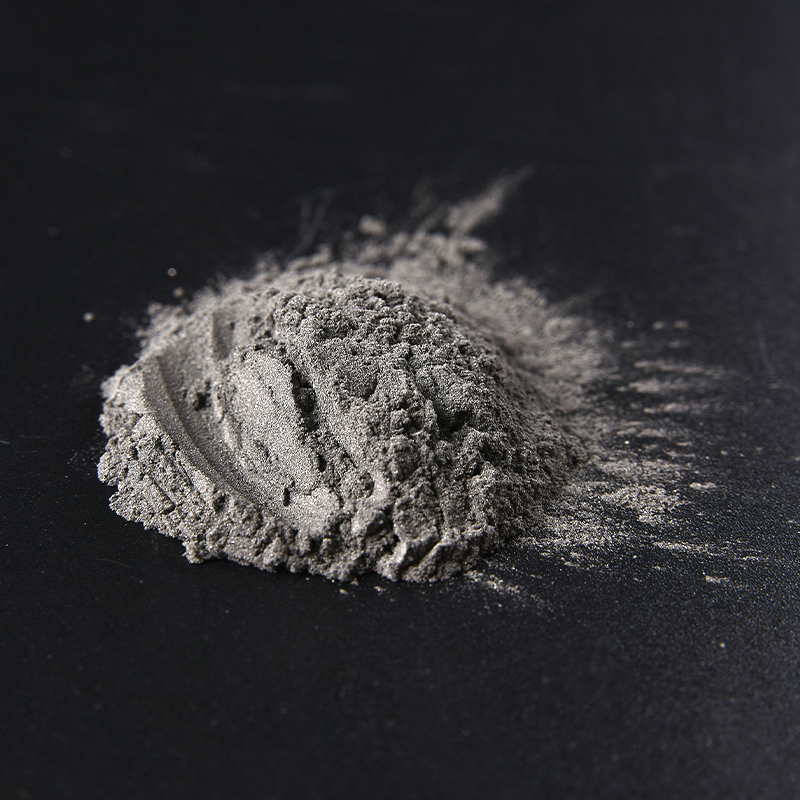
CRNMC is a leading ultra-high purity titanium supplier, capable of industrially producing 5N (99.999%) grade titanium — one of only four companies globally with this capability. Using a proprietary next-generation molten salt electrolytic purification process combined with vacuum electron beam melting, CRNMC achieves large-scale production of 5N, 6N, and 7N titanium with extremely low impurity content and consistent quality.
CRNMC's ultra-high purity titanium products are used across critical sectors:
- Aerospace: Engine components and fuselage structures, where weight reduction directly improves fuel efficiency
- Medical devices: Artificial joints and dental implants with certified biocompatibility and corrosion immunity in physiological environments
- Chemical equipment: Reactors and pipelines operating in aggressive acid and chloride environments
- Semiconductor/electronics: High-purity sputtering targets for chip manufacturing, improving integrated circuit performance and yield
From raw material procurement to final delivery, CRNMC maintains a strict quality control system at every production stage. Custom dimensions and weights are available, with full-chain service from raw materials to finished components.
How Durable Is Titanium Compared to Other Metals?
"Durable" encompasses corrosion resistance, mechanical strength, fatigue life, and environmental stability. Across all four dimensions, titanium ranks among the top structural metals:
| Metal | Corrosion Resistance | Strength-to-Weight | Fatigue Life | Biocompatibility |
|---|---|---|---|---|
| Titanium | Excellent | Highest | Excellent | Excellent |
| 316L Stainless Steel | Good | Moderate | Good | Acceptable |
| Aluminum 6061 | Moderate | High | Moderate | Good |
| Carbon Steel | Poor | Moderate | Good | Poor |
| Nickel Alloys | Good–Excellent | Low (heavy) | Excellent | Poor |
Frequently Asked Questions
Does titanium rust?
No. Titanium cannot rust because rust is iron oxide, and titanium contains no iron. It also does not corrode under normal environmental conditions due to its self-repairing TiO₂ passive film.
Will titanium rust in saltwater?
No. Titanium is one of the few structural metals that is essentially immune to seawater corrosion — it is widely used in marine heat exchangers, submarine components, and offshore oil equipment precisely because of this.
Does titanium corrode in acid?
Titanium resists most acids at normal concentrations and temperatures. It is particularly resistant to nitric acid, chromic acid, and dilute sulfuric and hydrochloric acid. It is attacked by concentrated HF and very high concentrations of reducing acids at elevated temperatures.
Is titanium rust-proof forever?
In most environments, yes — titanium's corrosion rate is so low (<0.001 mm/year in seawater) that it can last centuries without measurable degradation. The passive film is self-renewing, so even scratches do not compromise protection.
What is titanium's biggest weakness?
Titanium's primary weaknesses are poor wear resistance in sliding contact applications, susceptibility to attack by anhydrous chlorine and hydrofluoric acid, degradation above 600°C, and high cost compared to steel.
Does nickel corrode?
Yes. Pure nickel can corrode in oxidizing acids and certain high-temperature oxidizing environments. While nickel alloys offer excellent high-temperature performance, they are heavier and lack the biocompatibility of titanium.
What does "5N purity" titanium mean?
5N means 99.999% purity — the "N" stands for "nines." Ultra-high purity titanium (5N and above) has extremely low levels of impurities, making it essential for semiconductor sputtering targets and precision applications where even parts-per-million contamination causes device failure.