English
What Is High Purity Titanium and Its Core Advantages?
Content
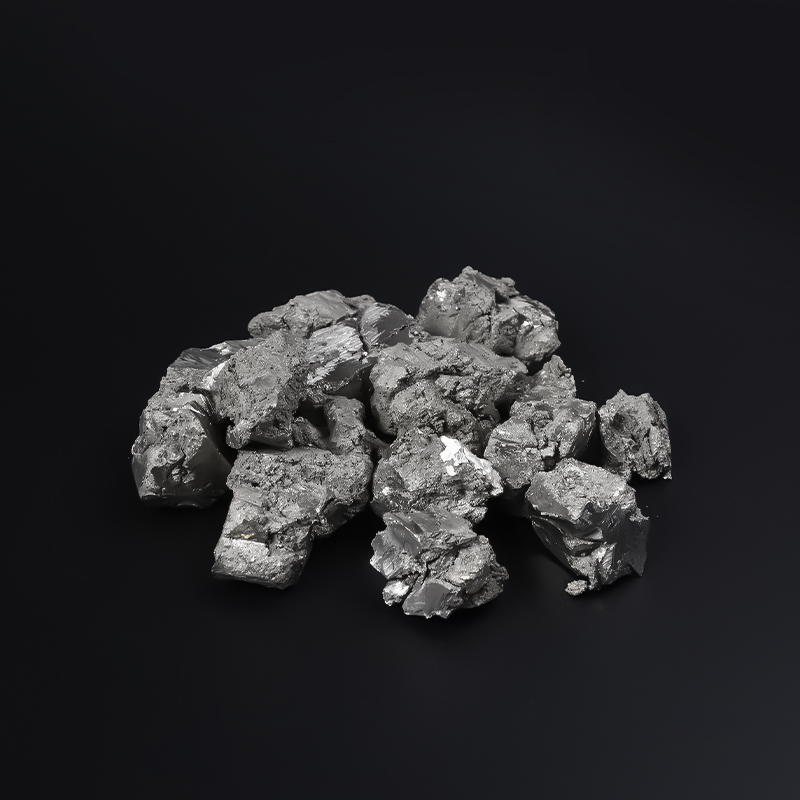
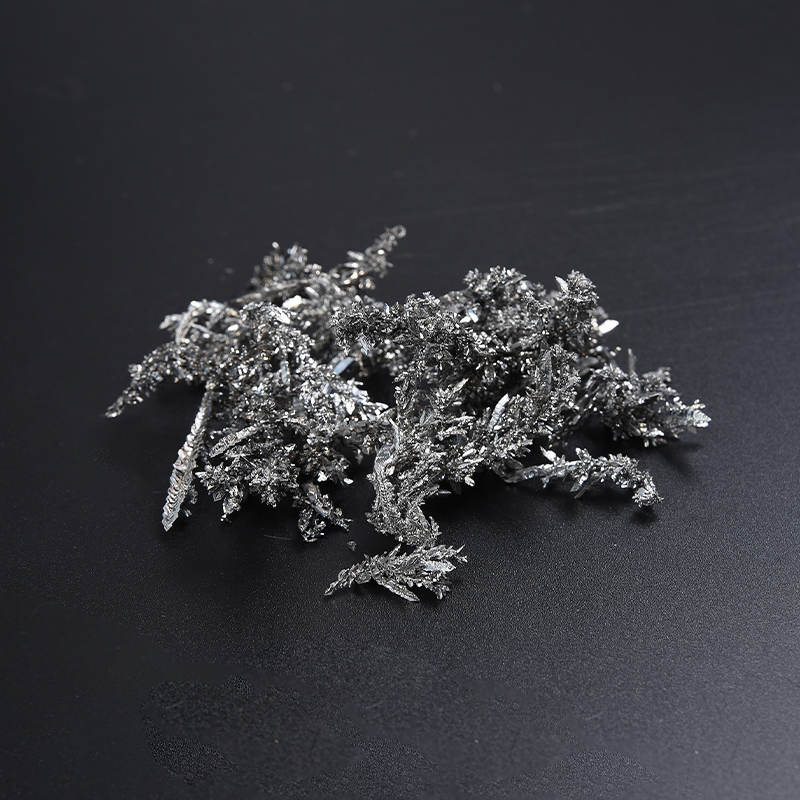
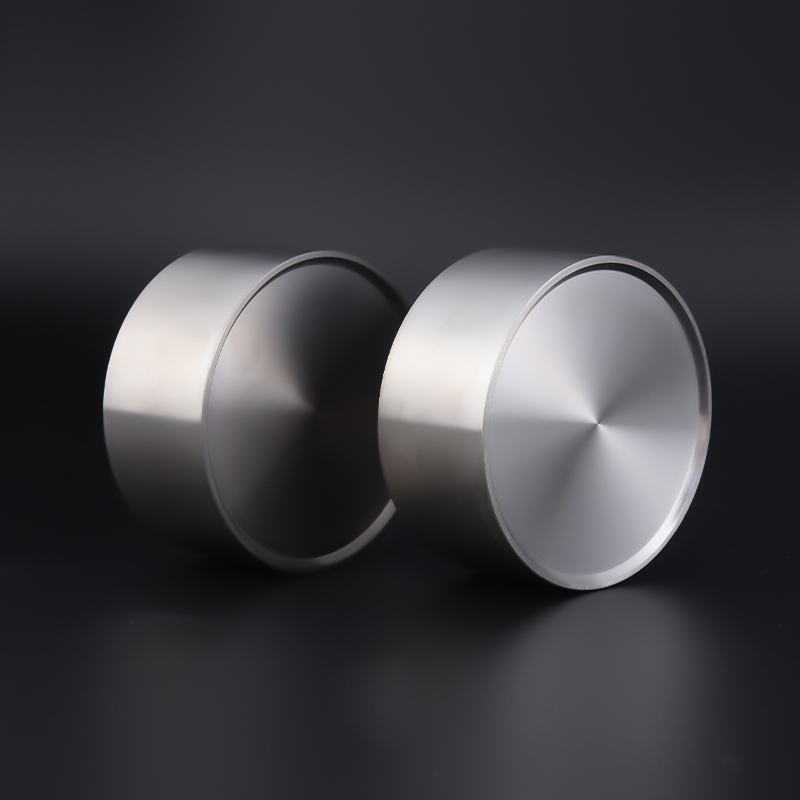
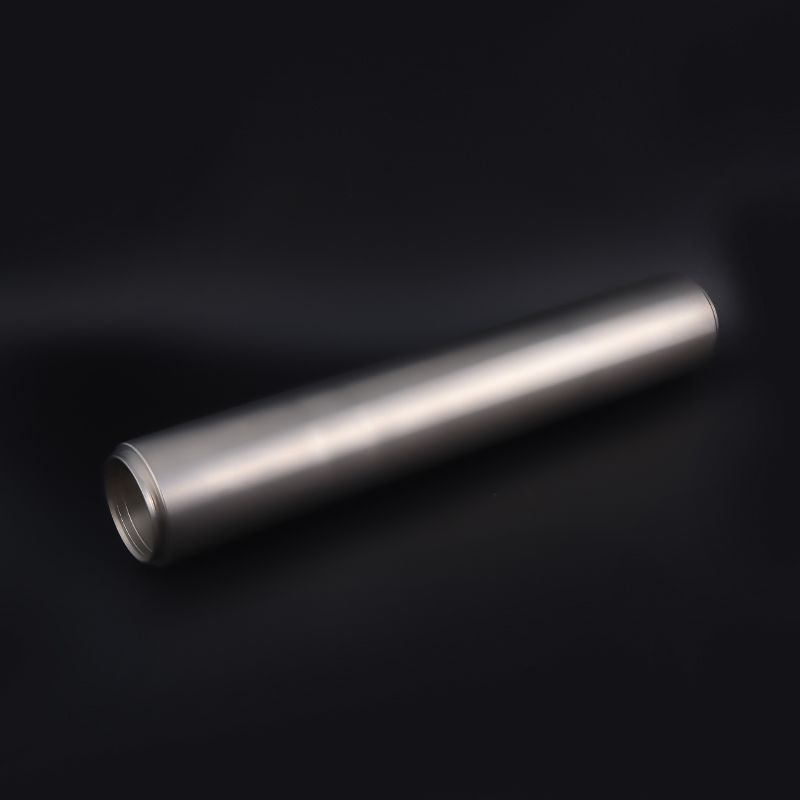
High purity titanium refers to titanium metal materials with a purity of 4N (99.99%) and above, with 5N grade (99.999%) ultra-high purity titanium representing the current industrial production standard. Compared with ordinary commercially pure titanium (purity approximately 99.5%), high purity titanium has extremely low impurity content, making it irreplaceable in cutting-edge fields such as semiconductors, aerospace, and medical applications.
Key Performance Indicators
The core advantages of high purity titanium are reflected in three dimensions:
- Ultra-high purity: 5N grade high purity titanium has total impurities below 10ppm, meeting the stringent requirements for semiconductor sputtering targets
- Strong corrosion resistance: Remains stable in strong corrosive media such as hydrochloric acid and sulfuric acid, with an annual corrosion rate below 0.001mm
- Excellent mechanical properties: Tensile strength reaches 345-550MPa while maintaining a low density of 4.51g/cm³
Why High Purity Titanium is Critical for Advanced Manufacturing
In the global competition for advanced manufacturing, material purity directly determines the performance ceiling of products. In semiconductor chip manufacturing, for example, increasing sputtering target purity from 4N to 5N can improve chip yield by 15%-20%, because trace magnetic impurities such as iron and nickel interfere with electron migration paths.
Industry Demand Drivers
The strategic value of high purity titanium stems from the following industrial trends:
- Semiconductor process nodes advancing to 3nm and below, requiring target purity to increase from 4N to 5N-6N
- Aero-engine thrust-to-weight ratio requirements exceeding 12:1, necessitating high purity titanium alloys to reduce structural weight
- Medical implant standards upgrading, requiring titanium material oxygen content below 500ppm to ensure biocompatibility
| Purity Grade | Purity Range | Primary Applications | Typical Product Forms |
|---|---|---|---|
| Commercial Pure Titanium | 99.0%-99.5% | Chemical Equipment, Desalination | Plates, Tubes |
| High Purity Titanium | 99.9%-99.99% | Aerospace Structural Components | Forgings, Bars |
| Ultra-High Purity Titanium | 99.999%-99.9999% | Semiconductor Sputtering Targets | Targets, Powder |
| Extreme Purity Titanium | ≥99.99999% | Quantum Computing, Nuclear Industry | Single Crystals, Thin Films |
Industrial Production of 5N Grade Ultra-High Purity Titanium
The industrial production of 5N grade ultra-high purity titanium is a global technical challenge. Currently, only a handful of companies worldwide have mastered the core technology, with production processes integrating multiple advanced purification techniques.
Core Production Process Route
The mainstream production process adopts a composite technology route combining molten salt electrolytic refining and vacuum electron beam melting:
- Molten Salt Electrolytic Refining: In a molten salt system at 600-900°C, electrolysis ionizes and separates impurities such as oxygen, nitrogen, and iron from sponge titanium, increasing purity from 2N to 4N grade
- Vacuum Electron Beam Melting (EBM): In a high vacuum environment of 10⁻³Pa, high-energy electron beams bombard titanium ingots, causing low boiling point impurities (such as magnesium and chlorine) to volatilize, further purifying to 5N grade
- Zone Refining: For specific ultra-high purity requirements (6N-7N), multiple zone refining passes achieve final removal of trace impurities
Quality Control Critical Points
From raw material procurement to product delivery, the full-process quality control system includes the following core elements:
- Impurity spectrum pre-inspection of raw sponge titanium, ensuring initial oxygen content below 0.05%
- Real-time monitoring of current efficiency during electrolysis, maintaining electrolytic cell temperature fluctuations within ±5°C
- Online impurity content detection using X-ray fluorescence spectroscopy (XRF) during electron beam melting
- Full element analysis of finished products using Glow Discharge Mass Spectrometry (GDMS) with detection limits at ppb level
Industries Driving Demand for High Purity Titanium
High purity titanium applications have expanded from traditional aerospace to strategic emerging industries such as semiconductors, medical devices, and new energy, forming a diversified market landscape.
Semiconductors and Electronic Information
In chip manufacturing, high purity titanium sputtering targets are used to deposit titanium thin films as barrier layers and adhesion layers. As wafer sizes upgrade from 8-inch to 12-inch, single-target consumption increases by more than 40%. 5N grade titanium targets ensure thin film resistivity below 50μΩ·cm, meeting the precision requirements for processes below 7nm.
Aerospace and Defense
High purity titanium alloys are used to manufacture aero-engine compressor blades and fuselage load-bearing structures. For a typical commercial aircraft, titanium alloy accounts for 9%-15% of structural weight, with the proportion of high purity titanium components increasing year by year. Its specific strength (strength/density) reaches 240MPa·cm³/g, significantly outperforming aluminum alloys and steel.
Medical Devices and Biomedical Implants
The biocompatibility of high purity titanium stems from its dense TiO₂ oxide surface film. Clinical data shows that hip prostheses made from 5N grade titanium material have a 15-year survival rate exceeding 95%, far higher than the 85% rate for ordinary titanium materials. Dental implant osseointegration time can be shortened from 6 months to 3-4 months.
Chemical Equipment and New Energy
In the chlor-alkali industry and seawater desalination, high purity titanium equipment has a service life exceeding 20 years, 3-5 times longer than ordinary stainless steel equipment. In the hydrogen energy sector, high purity titanium serves as electrolyzer electrode material, capable of withstanding continuous high-current impact for over 2000 hours without significant corrosion.
Selecting the Right High Purity Titanium Product Specifications
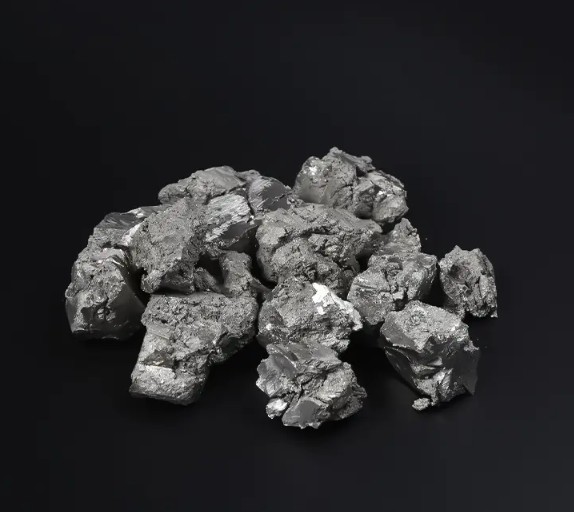
Different application scenarios have significantly varying requirements for high purity titanium purity, form, and performance. The following technical parameters must be comprehensively considered during selection:
| Application Scenario | Recommended Purity | Key Impurity Limits | Recommended Forms |
|---|---|---|---|
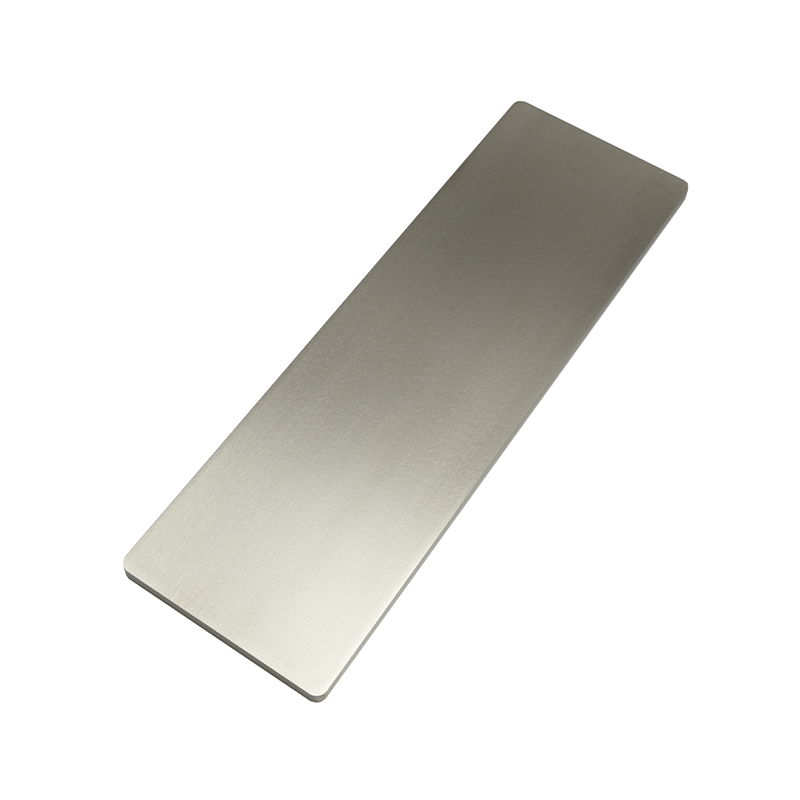
| Semiconductor Sputtering Targets | 5N-6N | Fe<1ppm, Ni<0.5ppm | Targets, Powder |
| Aero-Engine Components | 4N5-5N | O<300ppm, N<50ppm | Forgings, Bars |
| Medical Implants | 4N-5N | O<500ppm, H<100ppm | Wires, Plates |
| Chemical Reactors | 3N5-4N5 | C<200ppm, Fe<500ppm | Plates, Tubes |
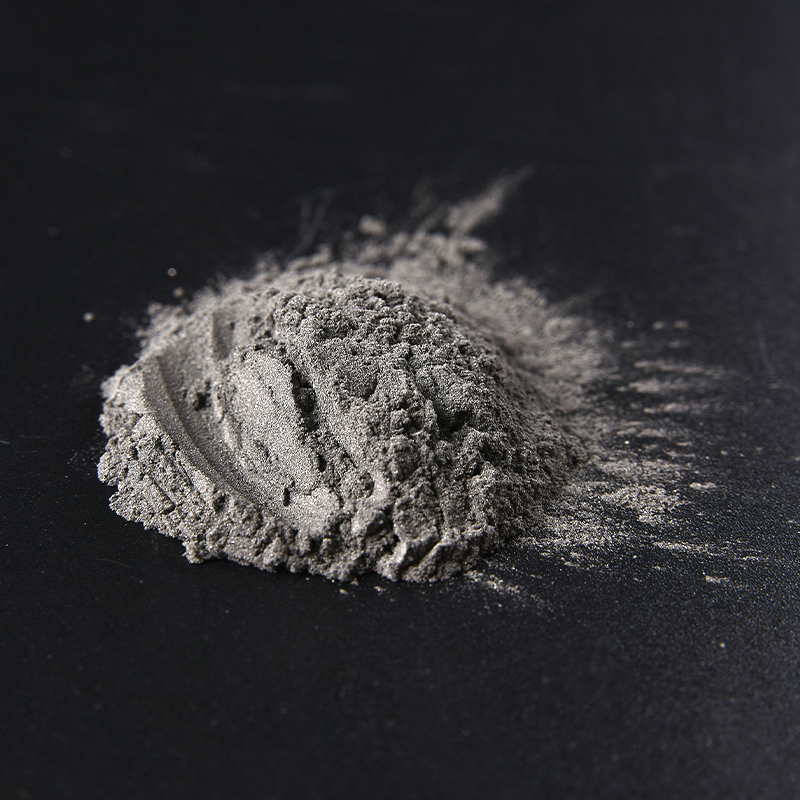
| 3D Printing Powder | 4N-5N | Particle size 15-53μm | Spherical Powder |
Customization Service Essentials
High-end applications typically require non-standard specifications. The following parameters must be clearly defined for custom orders:
- Target purity grade and specific element control requirements
- Geometric dimensional tolerances (typically requiring within ±0.05mm)
- Surface roughness (semiconductor targets require Ra<0.4μm)
- Grain size and orientation control (aerospace components require ASTM Grade 6-8)
Technical Barriers and Future Development Trends
The global high purity titanium industry exhibits a highly concentrated structure, with only a handful of companies capable of industrial 5N grade production. This situation stems from extremely high technical barriers and capital investment requirements.
Core Technical Barriers
Achieving 5N grade purity requires breakthroughs in the following technical challenges:
- Molten salt system formulation design: Balancing conductivity, volatility, and corrosiveness, with R&D cycles typically exceeding 5 years
- Vacuum system limits: Electron beam melting requires maintaining 10⁻³Pa vacuum levels, with equipment investment exceeding 50 million RMB
- Trace analysis capability: Requires GDMS, ICP-MS and other equipment, with single-unit detection costs exceeding 3 million RMB
- Process stability: Batch-to-batch purity fluctuations must be controlled within ±0.0005%
Future Development Directions
High purity titanium technology is evolving toward higher purity, lower costs, and broader applications:
- 6N-7N Grade Breakthrough: Through solid-state electrolysis and plasma refining technology, 7N grade samples have been prepared in laboratories, with small-batch production expected before 2030
- Green Processes: Developing low-temperature molten salt systems to reduce energy consumption by over 30% and decrease byproduct emissions such as chlorine gas
- Additive Manufacturing Dedicated Powder: Developing spherical high purity titanium powder with oxygen content below 800ppm for SLM and EBM processes
- Recycling and Reuse: Establishing high purity titanium scrap recycling systems to purify and reuse target scrap, reducing raw material costs by 40%