English
How to use Copper(Cu)?
Content
The Direct Answer: How to Use Copper Effectively
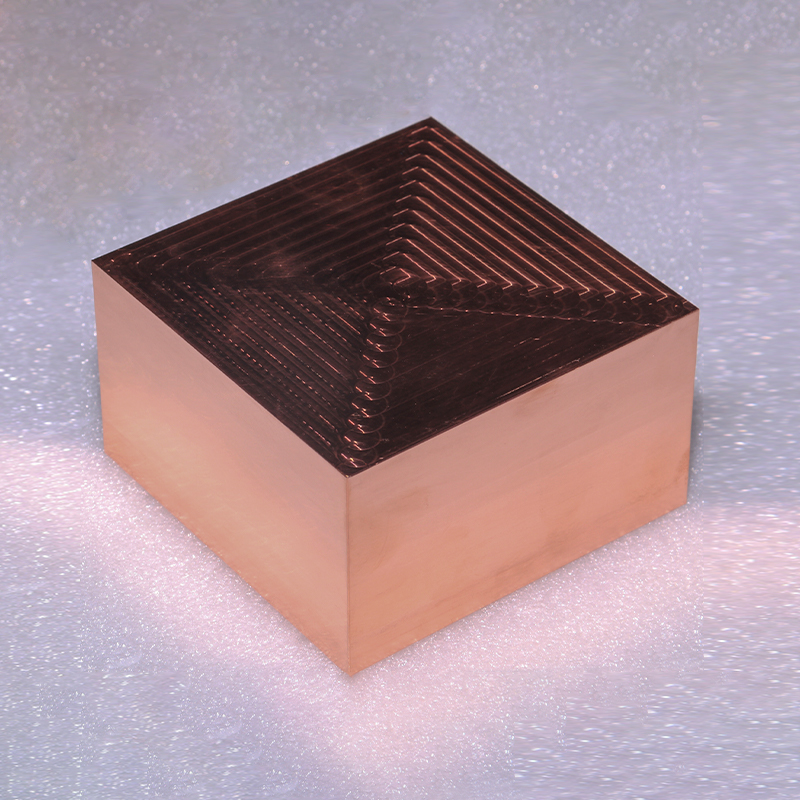
Copper (Cu) is used based on its three core properties: high electrical conductivity, antimicrobial efficacy, and essential biological function. To use copper effectively, you must match its form (pure metal, alloy, or salt) to the application—whether for industrial wiring, antimicrobial surfaces, or agricultural supplementation. The key is to leverage its conductivity for electronics, its biostatic properties for hygiene, and its role as a trace element for plant and animal health.
For industrial use, oxygen-free copper is preferred for high-end electronics due to its 100% IACS (International Annealed Copper Standard) conductivity rating. For antimicrobial applications, copper alloys with >60% copper content achieve a 99.9% reduction in bacteria within two hours as per EPA testing.
The Primary Functions of Copper (Cu)
Copper serves distinct functions across sectors. Understanding these functions ensures precise application and avoids material misuse.
1. Electrical and Thermal Conductivity
Copper is the benchmark for electrical conductivity. Over 60% of copper produced is used in electrical applications. Its thermal conductivity is 401 W/(m·K), making it superior to aluminum (237 W/(m·K)) for heat exchangers.
2. Antimicrobial Surface Function
Copper’s “contact killing” mechanism disrupts bacterial cell membranes. The EPA has registered 479 copper alloys as antimicrobial, effective against MRSA, E. coli, and SARS-CoV-2. In healthcare settings, copper touch surfaces reduce healthcare-associated infections by 58% compared to standard surfaces.
3. Biological and Agricultural Function
As an essential micronutrient, copper activates enzymes in plants and animals. In crops, copper deficiency can cause yield losses of 20-40% in wheat and citrus. In human nutrition, copper is critical for iron absorption and nerve function, with a recommended daily intake of 0.9 mg/day for adults.
Practical Applications: How to Use Copper in Key Industries
The application method dictates the outcome. Below are the most effective ways to deploy copper across industries with supporting data.
For Electrical Systems: Choose the Right Grade
- C11000 (Electrolytic Tough Pitch Copper): Used for 90% of electrical wires. Conductivity: 101% IACS.
- C10200 (Oxygen-Free Copper): Essential for vacuum electronics and high-end audio. Oxygen content ≤ 0.001%.
For Antimicrobial Surfaces: Specifications That Work
To achieve EPA-certified antimicrobial efficacy, the copper content must exceed 60%. A study by the National Institutes of Health showed that copper-alloy surfaces in ICUs led to a 78% reduction in microbial burden on high-touch surfaces.
| Copper Alloy | Copper Content | MRSA Reduction | E. coli Reduction |
|---|---|---|---|
| C11000 (Pure Copper) | 99.9% | >99.99% | >99.99% |
| C22000 (Commercial Bronze) | 90% | 99.97% | 99.90% |
| C26000 (Cartridge Brass) | 70% | 99.80% | 99.70% |
For Agriculture: Application Rates and Forms
Copper is applied as copper sulfate (CuSO₄) or copper chelates. The application rate must be precise: for soil, 2–10 kg/ha; for foliar spray, a 0.1–0.5% solution. Overuse leads to phytotoxicity, with visual symptoms appearing at leaf copper concentrations above 20 ppm.
FAQ about Copper (Cu): Addressing Common Misconceptions
Q1: Is all copper antimicrobial?
No. Only copper and its alloys with a copper content above 60% exhibit rapid antimicrobial efficacy. Lower copper alloys or coated copper lose this property because the surface lacks ionic copper release.
Q2: Can I use copper cookware for all foods?
Unlined copper reacts with acidic foods, leaching copper ions. For safety, use copper cookware only if lined with stainless steel or tin. The FDA sets a safe limit of 0.1 mg/L of copper in drinking water; excessive intake from unlined cookware can cause nausea.
Q3: What is the most common mistake when using copper in electronics?
Using standard copper in high-temperature environments without oxidation protection. At temperatures above 150°C, copper oxidizes rapidly, increasing resistivity. Use oxygen-free copper or apply a protective coating like silver or nickel for high-reliability connectors.
Best Practices: Optimizing Copper Use for Longevity and Safety
To maximize the lifecycle of copper products, follow these evidence-based guidelines:
- Prevent Galvanic Corrosion: Avoid direct contact between copper and aluminum or galvanized steel in wet environments. Use dielectric unions to prevent bimetallic corrosion, which can increase failure rates by 40% in plumbing systems.
- Clean Antimicrobial Surfaces Correctly: Do not use bleach or ammonia. Use mild soap and water to preserve the protective patina. Abrasive cleaning removes the oxide layer and reduces efficacy by 30-50% over time.
- Apply Copper in Agriculture with Chelation: Chelated copper (e.g., EDTA-Cu) is 5–10 times more efficient than inorganic copper salts in alkaline soils (pH > 7.0), preventing precipitation and ensuring bioavailability.
By adhering to these specifications—purity thresholds, environmental matching, and maintenance protocols—copper delivers measurable performance gains. For instance, using oxygen-free copper in high-frequency transformers reduces energy loss by 15–20% compared to standard copper, directly impacting operational costs.