English
How to Choose Nickel?
Content
- 1 Selecting the Right Nickel
- 2 Understanding Nickel Grades and Classifications
- 3 Critical Selection Factors
- 4 Industry-Specific Selection Guidelines
- 5 FAQ about Nickel Selection
- 5.1 What is the difference between Nickel 200 and Nickel 201?
- 5.2 Can nickel alloys withstand seawater corrosion?
- 5.3 Which nickel alloy offers the best high-temperature strength?
- 5.4 How do nickel alloys compare to stainless steel?
- 5.5 What welding considerations apply to nickel alloys?
- 5.6 Are nickel alloys magnetic?
- 6 Procurement and Quality Verification
- 7 Final Recommendations
Selecting the Right Nickel
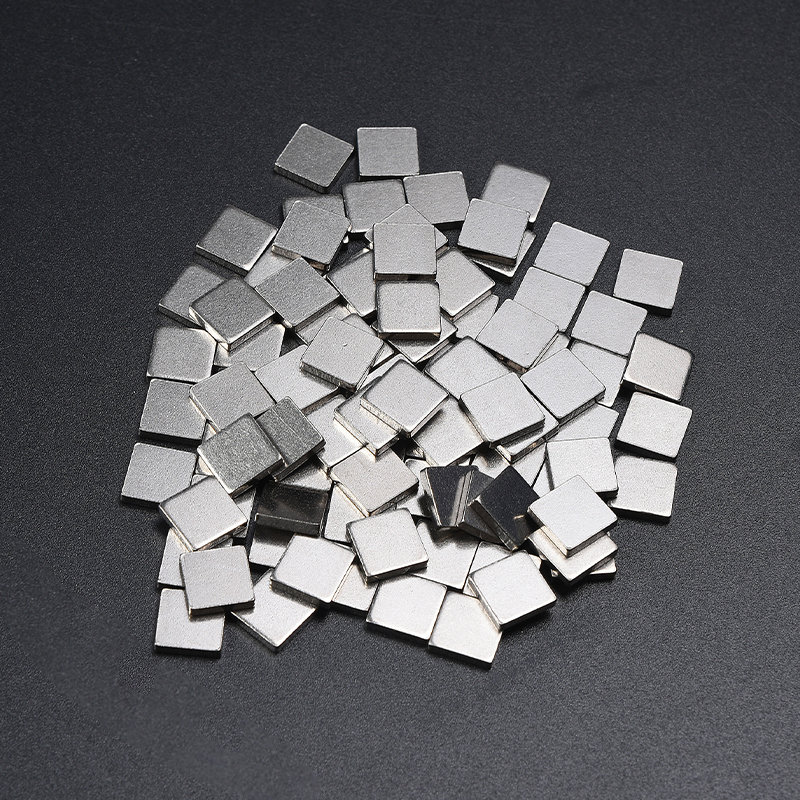
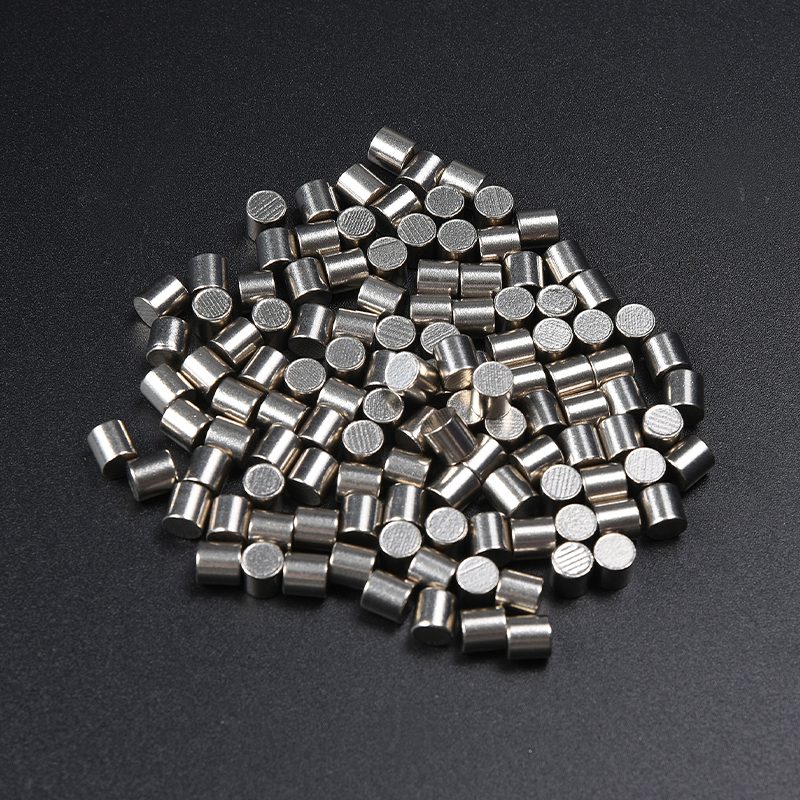
Choose nickel based on corrosion resistance requirements, operating temperature, mechanical stress, and budget constraints. For general industrial use, Nickel 200 (99.6% pure) offers excellent corrosion resistance at moderate temperatures. For high-temperature applications exceeding 600°C (1112°F), select Nickel 201 or specialized alloys like Inconel 600. For marine environments, Monel 400 (nickel-copper alloy) outperforms pure nickel with superior seawater resistance.
Understanding Nickel Grades and Classifications
Nickel materials fall into distinct categories based on purity and alloying elements. Understanding these classifications ensures optimal material selection for specific engineering challenges.
Commercially Pure Nickel
Nickel 200 and Nickel 201 represent the most common unalloyed grades. Nickel 200 contains 99.6% minimum nickel content and performs excellently up to 315°C (600°F). Nickel 201, with controlled carbon content below 0.02%, prevents graphitization at elevated temperatures, extending service life to 600°C (1112°F).
Nickel-Copper Alloys (Monel Series)
Monel 400 contains approximately 67% nickel and 30% copper, delivering exceptional resistance to hydrofluoric acid, seawater, and reducing environments. Monel K-500 adds aluminum and titanium, achieving yield strengths up to 690 MPa (100 ksi) through age hardening—nearly triple that of Monel 400.
Nickel-Chromium Superalloys
Inconel alloys dominate high-temperature applications. Inconel 600 maintains oxidation resistance up to 1095°C (2000°F), while Inconel 718 retains tensile properties at -253°C to 700°C (-423°F to 1292°F), making it ideal for aerospace turbine components.
Critical Selection Factors
Corrosion Environment Analysis
Different nickel alloys excel in specific corrosive media. For sulfuric acid environments, Hastelloy B-2 withstands concentrations up to 70% at 100°C. In chloride-rich settings, Hastelloy C-276 provides superior pitting resistance with PREN (Pitting Resistance Equivalent Number) values exceeding 65, compared to 316 stainless steel's PREN of approximately 24.
Temperature Performance Requirements
Thermal stability dictates alloy choice. Pure nickel experiences rapid strength loss above 425°C (800°F), whereas Inconel X-750 maintains 75% of room-temperature yield strength at 650°C (1200°F). For cryogenic applications, Nickel 200 retains impact toughness at -196°C (-320°F), essential for LNG processing equipment.
Mechanical Property Specifications
Tensile requirements vary dramatically by application. Standard Nickel 200 offers ultimate tensile strength of 462 MPa (67 ksi), precipitation-hardened Monel K-500 achieves 896 MPa (130 ksi), and solution-treated Inconel 718 reaches 1240 MPa (180 ksi). Match these specifications to structural load calculations.
Industry-Specific Selection Guidelines
| Industry Sector | Recommended Alloy | Key Property | Typical Service Life |
|---|---|---|---|
| Chemical Processing | Hastelloy C-276 | Universal corrosion resistance | 15-20 years |
| Marine Engineering | Monel 400 | Seawater immunity | 25+ years |
| Aerospace Turbines | Inconel 718 | Creep resistance at 650°C | 30,000 flight hours |
| Power Generation | Inconel 600 | Steam oxidation resistance | 100,000+ hours |
| Electronics | Nickel 201 | Controlled thermal expansion | 20+ years |
Cost-Benefit Analysis
Material costs vary significantly. Pure nickel costs approximately $15-20 per pound, while superalloys like Inconel 718 command $45-60 per pound. However, lifecycle costing often favors premium alloys—Inconel 718 components in gas turbines reduce maintenance intervals from 8,000 hours to 25,000 hours, justifying the 3x material cost premium through operational savings.
FAQ about Nickel Selection
What is the difference between Nickel 200 and Nickel 201?
Carbon content determines the distinction. Nickel 200 contains up to 0.15% carbon, limiting its use to temperatures below 315°C where graphitization occurs. Nickel 201 restricts carbon to 0.02% maximum, enabling safe operation up to 600°C without embrittlement. Both share identical corrosion resistance and mechanical properties at ambient temperatures.
Can nickel alloys withstand seawater corrosion?
Monel 400 demonstrates exceptional seawater performance, experiencing corrosion rates below 0.025 mm/year (0.001 in/year) in flowing seawater at 30°C. It resists biofouling, cavitation, and impingement attack that destroys stainless steels within months. For splash zones and tidal environments, Monel 400 outperforms 316 stainless steel by a factor of 10 to 1 in service life.
Which nickel alloy offers the best high-temperature strength?
Inconel 718 and Rene 41 lead high-temperature performance. Inconel 718 maintains tensile strength of 965 MPa (140 ksi) at 650°C through gamma prime (γ') and gamma double-prime (γ'') precipitation strengthening. For extreme temperatures exceeding 980°C, single-crystal superalloys like CMSX-4 achieve yield strengths of 800 MPa at 1000°C through sophisticated rhenium and ruthenium additions.
How do nickel alloys compare to stainless steel?
Nickel alloys generally outperform stainless steels in aggressive environments. While 316 stainless steel resists mild chlorides, it fails in seawater or reducing acids. Nickel alloys maintain passivity in environments where stainless steels suffer pitting, crevice corrosion, or stress corrosion cracking. However, stainless steels cost 60-70% less and suffice for atmospheric and mild chemical exposures.
What welding considerations apply to nickel alloys?
Low heat input and cleanliness are critical. Nickel alloys exhibit thermal expansion coefficients 15-20% lower than carbon steel, reducing distortion but requiring precise joint fit-up. Sulfur and lead contamination causes hot cracking—work areas must be isolated from steel fabrication. Preheat is generally unnecessary except for thick sections of precipitation-hardened grades, where 150-200°C preheat prevents hydrogen cracking.
Are nickel alloys magnetic?
Commercially pure nickel is ferromagnetic with a Curie temperature of 358°C (676°F). Above this temperature, it becomes paramagnetic. Most nickel-copper alloys (Monel series) are non-magnetic under all conditions, making them ideal for magnetic-sensitive instrumentation. Nickel-chromium superalloys are generally non-magnetic due to their austenitic structure, though cold working may induce slight ferromagnetism in some grades.
Procurement and Quality Verification
Certification Requirements
Demand mill test reports (MTRs) verifying chemical composition and mechanical properties. For critical applications, require:
- ASTM B160/B564 material certification
- Ultrasonic testing per ASTM E114 for bars over 75mm diameter
- Positive Material Identification (PMI) verification for alloy grade confirmation
- Intergranular corrosion testing per ASTM G28 for welded components
Supplier Evaluation Criteria
Select suppliers with AS9100 (aerospace), ISO 9001, or NORSOK certification for oil and gas applications. Verify traceability systems maintaining heat lot identification from melting through final machining. Reputable suppliers provide full pedigree documentation including melt source, forging reduction ratios, and heat treatment records.
Final Recommendations
Successful nickel selection requires systematic analysis of service conditions. Begin with corrosion environment mapping, establish temperature limits, define mechanical requirements, then match these parameters to specific alloy capabilities. Always verify supplier certifications and consider total lifecycle costs rather than initial material expenses. For complex applications involving mixed acids, high pressures, or thermal cycling, consult metallurgical engineers to validate selections through computational modeling and prototype testing.
```