English
Copper Purity Explained: Grades, 4N to 6N Specs, Tests, and Buying Checks
Content
A purchase order that reads "copper purity: 99.99% Cu minimum" still leaves three things undefined: which impurities were counted, how oxygen was measured, and which method produced the number. Lots that satisfy the headline figure can still crack during a hydrogen braze or push a sputtering process out of its window.
Treat copper purity as a four-part package: assay grade, oxygen content, individual impurity ceilings, and the analytical method behind them. Buyers who specify only the percentage are accepting the supplier's definition of purity, and definitions vary. What follows is how the grades scale, where oxygen decides the outcome, how each test behaves, and what belongs in a specification.
What a Copper Purity Grade Actually Measures
Purity grades are budgets, not scores. The letter count is the number of nines, and each extra nine cuts the total allowance for everything that is not copper by roughly a factor of ten.
- 3N, 99.9% Cu: up to about 1,000 ppm of other elements combined.
- 4N, 99.99% Cu: about 100 ppm combined.
- 5N, 99.999% Cu: about 10 ppm combined.
- 6N, 99.9999% Cu: about 1 ppm combined.
The cost curve follows the same shape but steepens sharply near the top. Moving from 3N to 4N is refining work. Moving from 5N to 6N is contamination control across the whole chain: melting, casting, machining, packaging and sampling.
A grade also says nothing about how the budget is spent. A 4N lot carrying 40 ppm iron presents a different risk from a 4N lot carrying 40 ppm sulfur or phosphorus. And "99.99% by difference" means impurities were subtracted from 100%, so it inherits the detection limits of whatever happened to be measured. A direct assay with a published impurity list is more informative, so ask which approach a quotation is based on.
Form adds another variable. Impurities and oxygen segregate during solidification, which means the top and the bottom of a cast ingot can differ by more than the analytical error. Sampling position is part of the specification, not an afterthought.
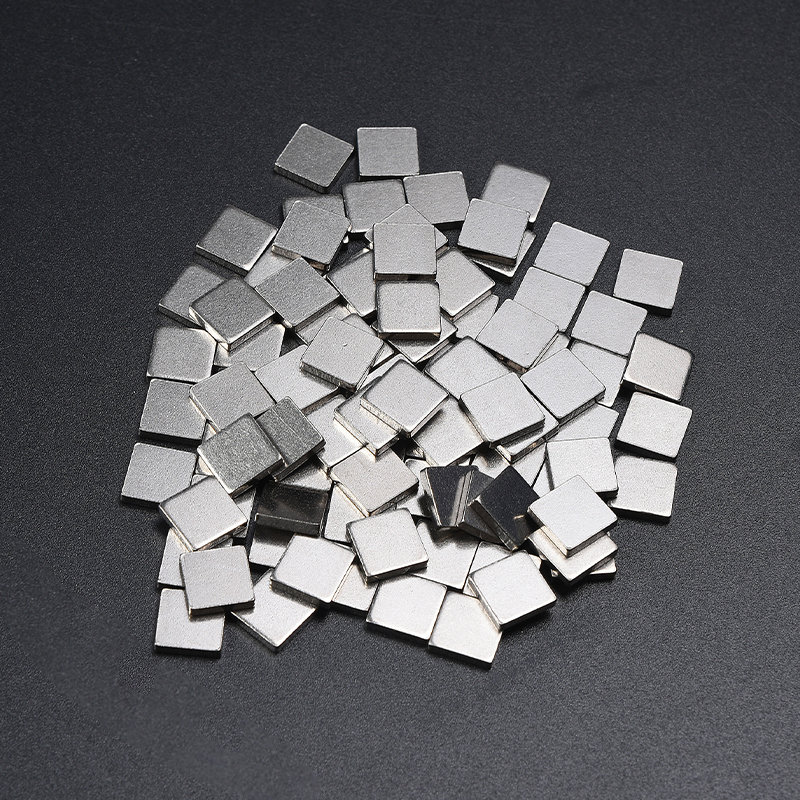
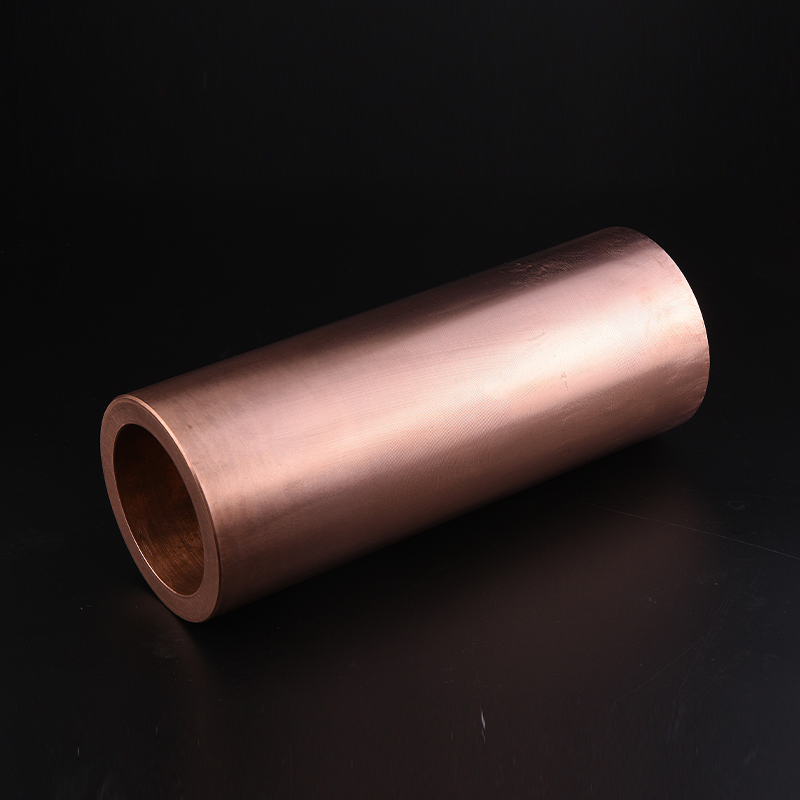
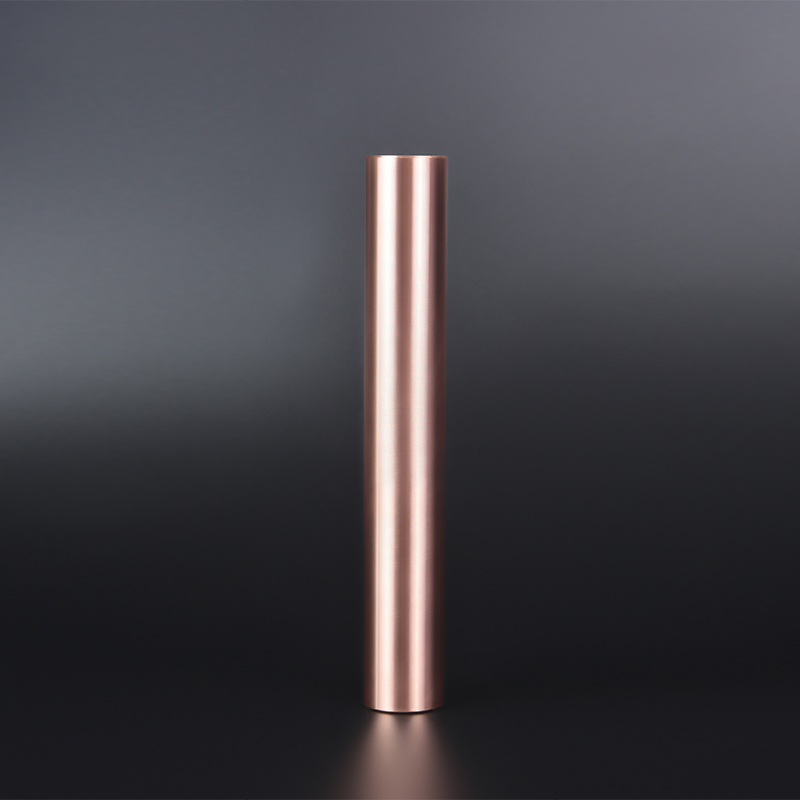 High-Purity Copper Ingot for Semiconductor and Display ApplicationsReview purity grades from 4N to 7N, custom dimensions, and export packaging for semiconductor, display, and vacuum component uses.View Product →
Copper Purity Grades Compared
The table below orients the ranges most often quoted in purchase specifications. Final limits always come from the governing standard or the agreed contract.
| Grade | Nominal copper | Max total impurities | Typical oxygen | Conductivity (% IACS) |
|---|---|---|---|---|
| ETP (C11000) | 99.90% min | about 1,000 ppm | 200 to 400 ppm | 100 to 101 |
| OFE (C10100) | 99.99% min | up to 100 ppm | 5 ppm or less | 101 to 102 |
| 5N | 99.999% | up to 10 ppm | 2 ppm or less | about 102 |
| 6N | 99.9999% | up to 1 ppm | 1 ppm or less | 102 and above |
The conductivity column explains why most buyers care at all. Roughly one percent of IACS equals about one percent of the energy carried, and on a busbar or a winding that loss becomes heat for the life of the installation.
Oxygen Is Its Own Specification
Electrolytic tough pitch copper carries oxygen on purpose, typically 200 to 400 ppm, held as copper oxide particles. Oxygen-free grades stay below about 5 ppm. Both can claim "over 99.9% Cu", which is exactly why the oxygen line has to be written separately.
The difference appears in service. In a hydrogen or wet reducing atmosphere at brazing temperature, oxygen inside copper forms steam at grain boundaries, creating voids and hydrogen embrittlement. Vacuum hardware, brazed assemblies and cryogenic components are specified oxygen-free for that reason. Elsewhere oxygen helps: oxide particles break chips, so ETP machines more cleanly than OFE at high cutting speeds, and it costs less.
Specifying oxygen-free copper everywhere therefore buys protection you may not need and pays for it twice, once in price and again in machining time.
How Copper Purity Is Verified
Four families of test cover nearly every purity claim, and each one answers a different question.
- Trace chemistry: OES for routine production control, ICP-OES or ICP-MS for lower detection limits, and GDMS when a 5N or 6N claim needs a full impurity survey rather than a fixed list of elements.
- Oxygen content: inert gas fusion is the reference method. It is destructive and sensitive to sample preparation, which is where most of its disagreement originates.
- Conductivity: eddy-current or four-point probe resistivity, reported as % IACS. Seconds per reading and non-destructive, but it measures the sum of all scattering effects and cannot name the offending element.
- Surface screening: XRF identifies alloys quickly, yet it is surface-sensitive and blind to oxygen, so it cannot confirm an oxygen-free grade or a bulk impurity limit.
That split explains a familiar dispute. A conductivity check can pass a lot that a GDMS scan would reject over a single element such as sulfur or titanium, because total scattering stays low while the local chemistry fails the process. If one element matters to your application, name it and name the method that resolves it.
Where the Last Fraction of a Percent Decides
Semiconductors and vacuum
Sputtering targets are the clearest case. A porous or inclusion-bearing 5N copper target sheds particles onto the wafer, iron or alkali contamination shifts film resistivity, and volatile elements such as zinc slowly degrade the vacuum environment. Targets are therefore ordered with a full impurity list plus gas content, density and grain structure, because 99.999% alone does not describe a surface.
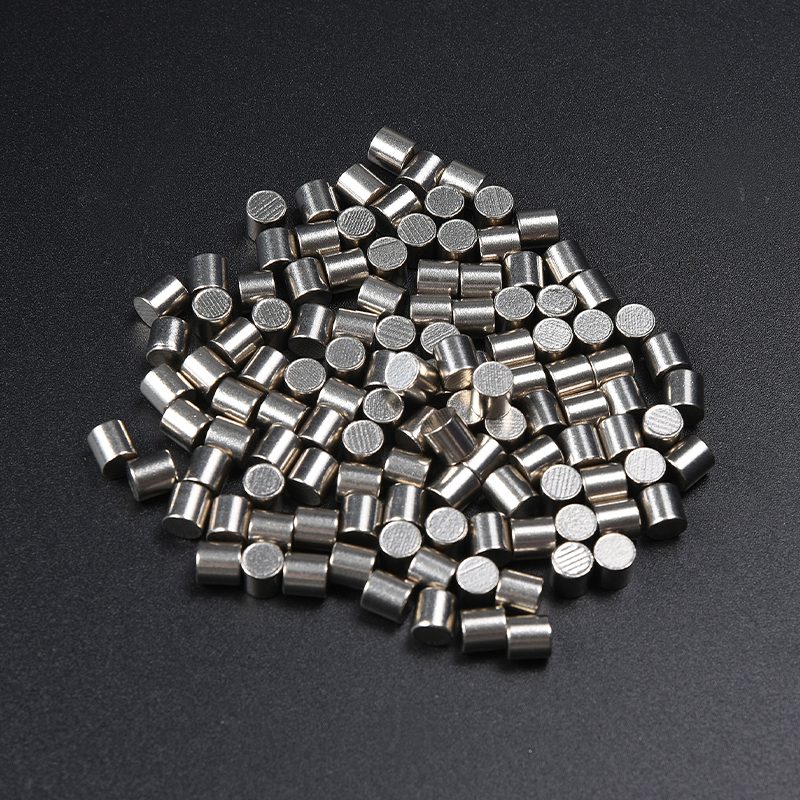
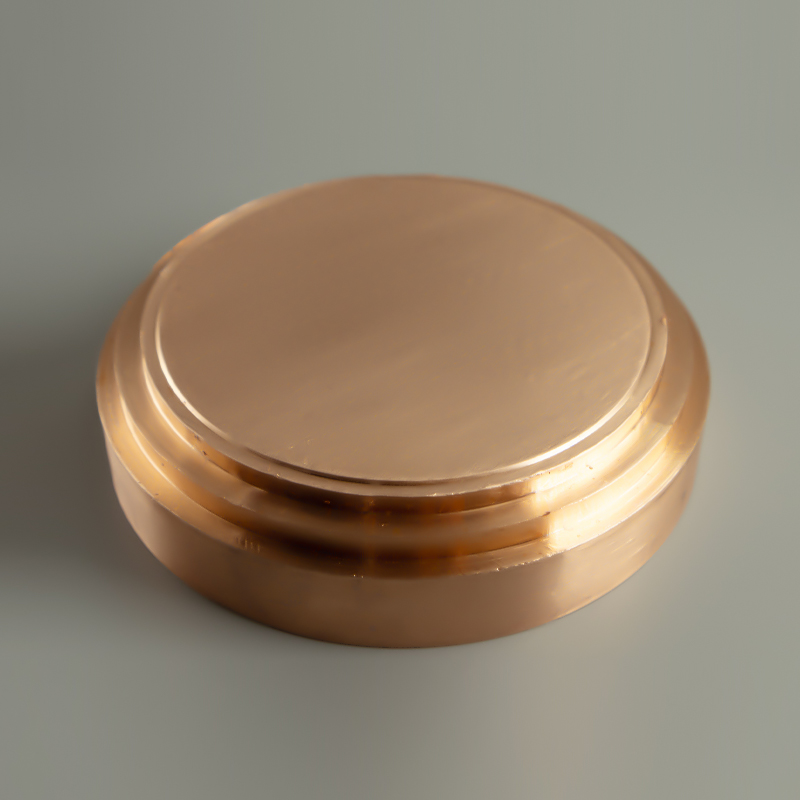 High-Purity Copper Sputtering Target for PVD Thin FilmsView 5N–6N copper targets with customizable dimensions for semiconductor, display, and precision optical coatings requiring dense, uniform films.View Product →
Power transmission and electric vehicles
Busbars, windings and connectors work in the 99.9 to 99.99% band. Here purity converts straight into losses, and the losses accumulate over a plant's lifetime. Oxygen content also changes annealing behaviour during bending and forming, while blended recycled cathode is a common source of conductivity that will not repeat from lot to lot.
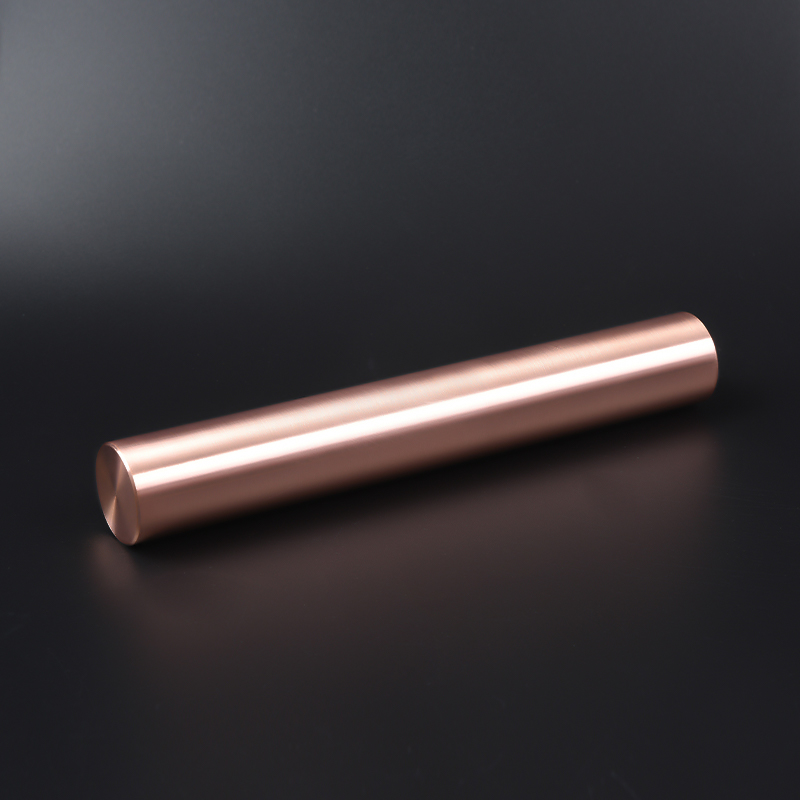
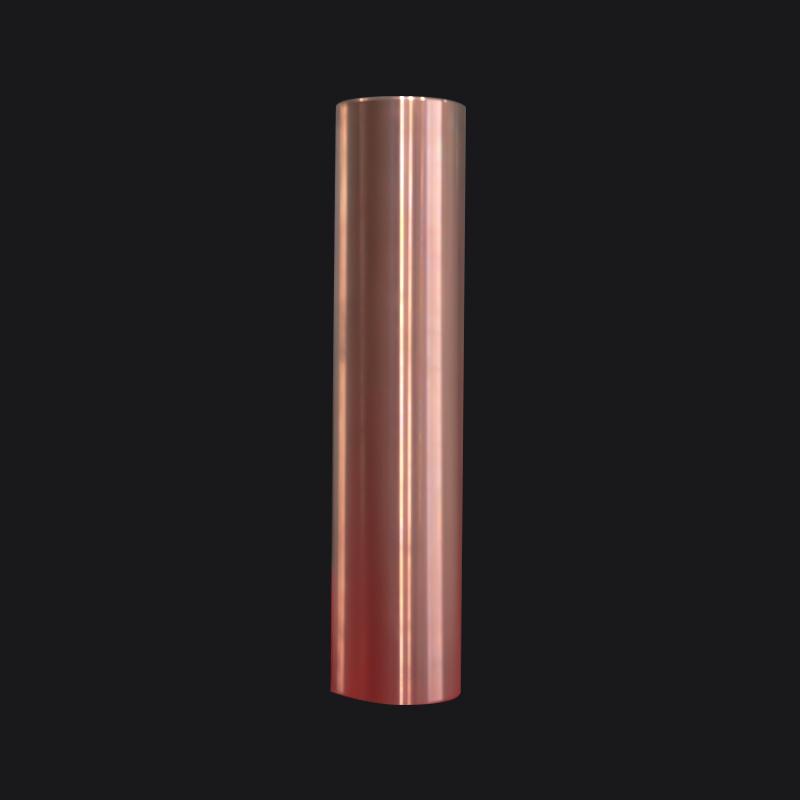 Oxygen-Free High-Purity Copper Rod C10100/C10200Check 4N–5N oxygen-free copper rod with low impurities, custom diameters, and vacuum packaging for semiconductor, electro-vacuum, and specialty electrode parts.View Product →
Aerospace and high-reliability joining
Brazed assemblies, waveguides and cryogenic parts are normally specified oxygen-free with a gas-content limit, because a defective braze joint is difficult to inspect after the fact. These programs buy lot traceability and certificates that name the method behind every figure.
In all three cases the requirement is written around the application: name the sensitive elements and the service atmosphere, then choose grade and form. Copper purity for semiconductor and vacuum applications is a contamination question, not a percentage.
What Belongs in a Copper Purchase Specification
Six lines remove most arguments at goods-in inspection:
- Grade and identity: nominal purity plus the UNS number, for example C10100 oxygen-free electronic or C11000 electrolytic tough pitch, together with the governing standard.
- An oxygen limit and the test method that establishes it.
- Individual ceilings for the elements your process is sensitive to, with the detection method named.
- A sampling plan: where the sample is taken, and whether surface or bulk chemistry is being certified.
- A certificate of analysis tied to the lot or heat number, so the paperwork follows the metal.
- Form tolerances that matter downstream: rod diameter and ovality, plate flatness, target bonding, powder cleanliness.
Most procurement failures are definitional rather than metallurgical: a 99.99% offer with no stated method, a certificate reporting surface chemistry against a bulk requirement, or the cheapest 5N quotation whose impurity list covers six elements. Sample handling is the quiet one, since drillings taken with a contaminated bit and stored in the wrong container will not represent the lot.
Suppliers with more than a decade in ultra-pure metals tend to give the same advice: agree the analysis plan before the order, not after a failed certificate. Where a required grade sits outside a standard catalogue, send the application detail and target limits and ask for a documented answer on achievable purity, form and lead time.
Frequently Asked Questions
Is 99.9% copper pure enough for electrical wire?
For ordinary building wire, cable and general busbar work, yes. In practice the limit that bites is conductivity rather than the trace-impurity list. Conductors that run hot or carry formal reliability requirements usually move to 99.99% with a stated oxygen limit.
Can copper purity be checked at home?
Only for gross substitution. A magnet test separates steel from copper but reveals nothing about purity, since copper is nearly non-magnetic at every grade. Density and scratch tests expose brass or plated aluminium. Nothing at that level resolves parts per million.
Does higher purity always perform better?
No. Oxygen-bearing ETP machines better and costs less, tellurium copper machines better than any pure grade, and very pure copper is soft and easily damaged in handling. Purity follows from the application rather than leading it.
Why do two laboratories report different purity for one lot?
Sampling position, surface versus bulk material, calibration standards, detection limits and sample cleaning all move the number. Compare methods before comparing verdicts, because a GDMS scan and a handheld XRF reading are not measuring the same thing.
The Short Version
Copper purity is a specification with four moving parts: grade, oxygen, impurity ceilings and method. Write all four, tie the certificate to the lot, and the percentage stops being a marketing figure and becomes an engineering control.
Grade selection, material form, sampling routine and delivery schedule all follow from that document.