English
Biocompatible Materials: Metal Grades, Purity Limits, and Buying Specs
Content
- 1 What "Biocompatible" Means in Practice
- 2 The Four Material Families, and Where Metals Still Win
- 3 Purity and Interstitial Control Decide the Result
- 4 From Ingot to Implant: Melting, Working and Powder
- 5 What to Write on the Purchase Order
- 6 Sector by Sector: Where the Same Metals Go
- 7 Frequently Asked Questions
A specification engineer signs off on a batch of Grade 2 titanium plate that satisfies every line of its mill certificate, and six months later the finished spinal component fails a fatigue test. The chemistry was inside the standard. The oxygen sat at the top of the permitted window, and that was enough to change the outcome.
Biocompatible materials behave the same way. The phrase describes a result measured by tests, not a word printed on a certificate. In short, biocompatibility is a property of a system: the material, its surface, the body environment and the contact duration working together, judged by standardized testing rather than declared by a supplier.
The metals that pass those tests are a short list, commercially pure titanium, Ti-6Al-4V ELI, cobalt-chromium alloys, tantalum, niobium, and some stainless and nickel-titanium grades. What separates a part that passes from one that fails is rarely the alloy name. It is purity, processing history and surface condition.
What "Biocompatible" Means in Practice
Regulators do not certify a material as biocompatible. They evaluate a finished device against ISO 10993-1, which sorts devices by the nature of body contact, whether surface, external communicating or implant, and by contact duration, whether limited, prolonged or long term. That categorization decides which tests apply: cytotoxicity, sensitization and irritation, systemic toxicity, implantation effects, and chemical characterization with a toxicological risk assessment.
The practical consequence is that a metal is never simply approved. Titanium that is fine for a thirty-day bone screw is evaluated differently from the same titanium in a fifteen-year hip stem, and differently again when it appears as wear debris rather than as a solid body.
Two further points matter when buying. Bulk chemistry and surface chemistry are different questions: a part can pass every extraction test on the bench and still release ions in service if its passive layer is damaged or its finish traps residue. And test results are only as good as the sample, because inclusions, segregation and contamination show up as batch-to-batch variability. A supplier's process control is therefore part of the material's performance data, not a separate commercial topic.
The Four Material Families, and Where Metals Still Win
Body-contacting devices draw on four families. Each has a niche, and the trade-offs are worth stating plainly before selection.
| Family | Typical materials | Strengths | Watch-outs | Common devices |
|---|---|---|---|---|
| Metals and alloys | CP titanium grades 1 to 4, Ti-6Al-4V ELI, CoCrMo, tantalum, niobium | Fatigue strength, ductility, decades of implant history | Ion release under wear, stiffness far above bone, sensitization potential | Hip stems, spinal hardware, bone plates, dental implants |
| Ceramics | Alumina, zirconia, hydroxyapatite | Wear resistance, chemical inertness, bone-like coatings | Brittle, limited shaping routes, coating adhesion | Femoral heads, dental crowns, porous coatings |
| Polymers | PEEK, UHMWPE, silicone, PLA and PGA | Low modulus, radiolucency, tunable degradation | Wear debris, creep, sterilization sensitivity | Bearing liners, catheters, sutures, scaffolds |
| Composites | Carbon fibre PEEK, collagen matrices | Tailored properties, tissue integration | Complex qualification, sourcing consistency | Fixation plates, grafts, engineered constructs |
Metals hold the load-bearing share because they combine fatigue strength with a passive oxide layer that reforms after damage. That layer is the mechanism: titanium forms TiO2, tantalum forms Ta2O5 and niobium forms Nb2O5, and each is stable in the body's chloride-rich environment. The caveat is stiffness, since titanium sits near 110 GPa against roughly 10 to 30 GPa for cortical bone. That gap makes stress shielding a design problem rather than a materials problem.
Purity and Interstitial Control Decide the Result
Once the alloy family is fixed, most remaining risk sits in the melt chemistry and in how the metal was worked. For titanium, the interstitial elements oxygen, nitrogen, carbon and hydrogen, plus iron, control both strength and ductility. ASTM F67 sets four grades of commercially pure titanium, with oxygen rising from roughly 0.18 percent in Grade 1 to 0.40 percent in Grade 4, and iron rising alongside it. ASTM F136 goes the other way for the alpha-beta alloy: Ti-6Al-4V ELI holds oxygen near 0.13 percent maximum and iron near 0.25 percent maximum, which is what extra low interstitial means. Confirm the limits against the current revision of the standard before writing a purchase order.
Those numbers are not academic. Higher oxygen raises yield strength and lowers elongation and fracture toughness, so a heat comfortably inside a specification can still sit at the wrong end of the fatigue curve. A tighter interstitial window, agreed in writing, is usually cheaper than a redesign six months later.
Nickel deserves a separate note. It is a well-known contact sensitizer and a meaningful share of the population reacts to it, which is why nickel-releasing alloys are restricted in prolonged skin contact and why nickel-titanium devices depend on a stable, nickel-poor surface layer. Cobalt-chromium raises a similar question: excellent wear resistance, but cobalt and chromium ion release is a recognized long-term consideration rather than a theoretical one.
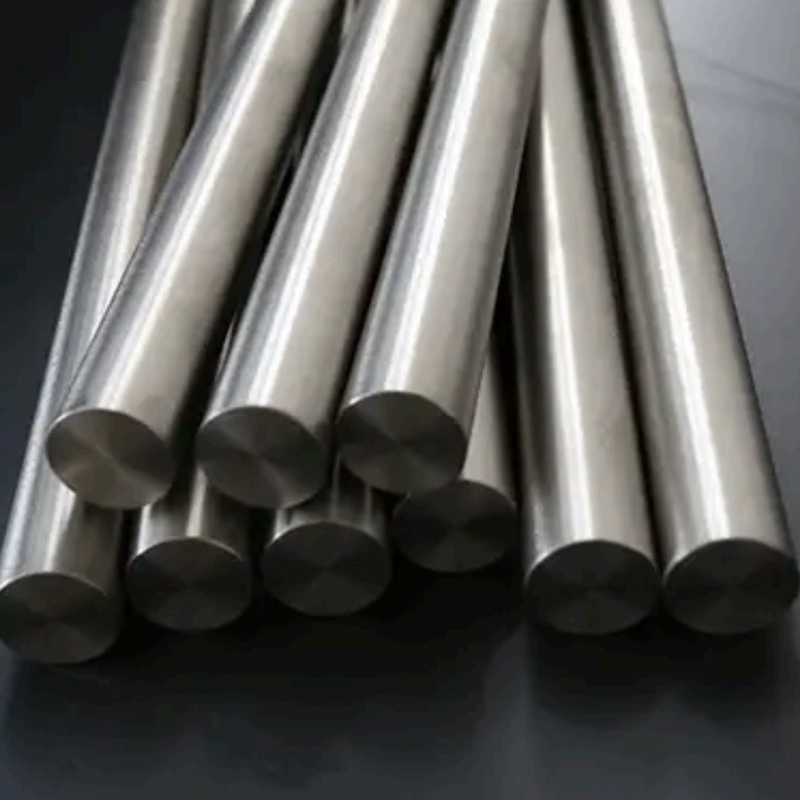 TC4 ELIMaximum size: Customizable Maximum weight: Customizable Packaged in wooden crates with sealed bags insideView Product →
From Ingot to Implant: Melting, Working and Powder
Two suppliers can ship the same grade from the same standard and still deliver different material, because a standard describes the destination, not the route.
Melting and remelting
Vacuum arc remelting and vacuum induction melting remove volatile impurities and break up inclusions, and multiple melts improve homogeneity. A single-melt ingot can meet a chemistry table and still carry segregation that only appears in ultrasonic testing or in a poor machined finish. Electron beam melting is chosen where very high purity is the priority, particularly for refractory metals such as tantalum and niobium.
Thermomechanical processing
Forging, rolling and annealing set grain size, phase balance and texture, which then drive fatigue life and machinability. For Ti-6Al-4V ELI, a fine equiaxed alpha-beta microstructure is generally preferred for fatigue-critical implants, while other applications accept lamellar or bimodal structures. A mill certificate rarely captures this. The process route and the resulting microstructure report do.
Additive manufacturing feedstock
For printed implants, the powder is part of the material specification. Particle size distribution, sphericity, satellite content, flowability, apparent and tap density, and oxygen pickup during reuse all affect the finished part. Laser powder bed fusion typically uses 15 to 45 micrometres and electron beam systems use 45 to 105 micrometres, and both need a documented reuse policy with oxygen limits, because interstitial pickup across repeated builds is a failure mode that stays invisible until a test coupon breaks.
Finishing
Machining marks, heat tint and embedded media are contamination. Passivation to ASTM F86, electropolishing and controlled surface roughness turn a biocompatible alloy into a biocompatible component.
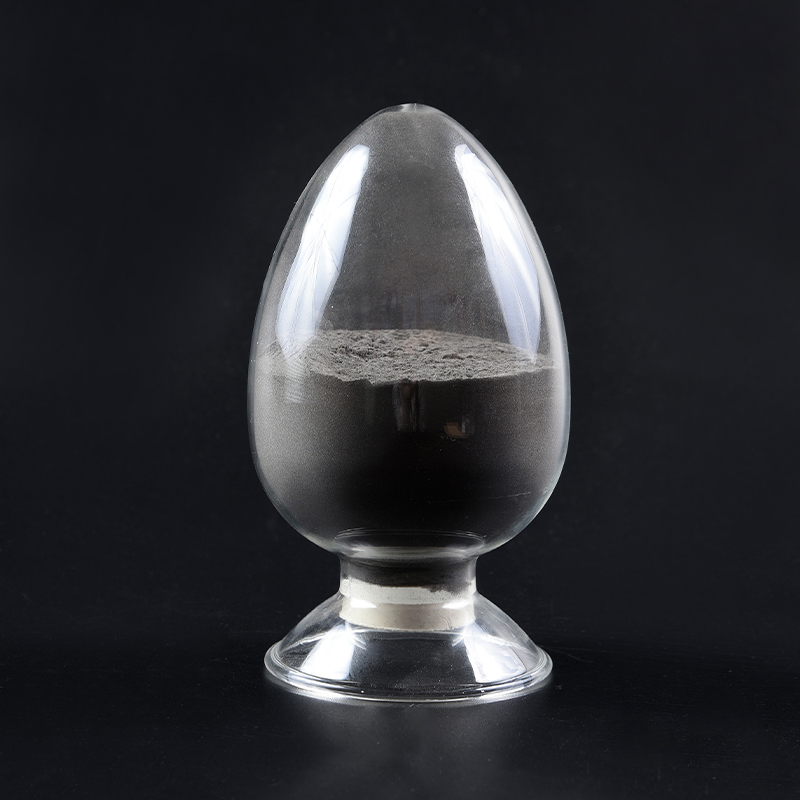 Titanium powderPurity: 99.8-99.99% Particle Size: Customizable Packaging: Double-layer vacuum packaging Applications: 3D printing, targets, MIM, powder metallurgy, sputtering targets...View Product →
What to Write on the Purchase Order
Most disputes trace back to a specification that described the material but not the acceptance criteria. The checklist below covers the points that are usually missed.
- Standard, revision year and grade, for example ASTM F67 Grade 2 or ASTM F136 for Ti-6Al-4V ELI, plus the equivalent ISO designation if the device carries a CE mark.
- Interstitial and residual element limits, with tighter maxima than the standard where fatigue or long-term implantation is involved.
- Product form and dimensions, including thickness or diameter, length, and the permitted bow or twist.
- Condition and heat treatment, such as annealed, mill annealed, or a specified cold-work level.
- Surface condition and finish, whether pickled, ground, machined or polished, with a roughness target where it matters.
- Mechanical property minimums: tensile strength, yield strength, elongation and reduction of area.
- Testing and inspection: chemistry method, ultrasonic or radiographic inspection, microstructure, and inclusion rating.
- Documentation: mill certificate to EN 10204 3.1, heat number traceability, and quality system evidence such as ISO 9001 or IATF 16949.
- Packaging and handling: contamination control, no mixed-metal contact, no chloride-bearing residues.
Two commercial notes. Price differences between suppliers of the same grade usually reflect melt route, testing depth and documentation rather than the metal itself, so compare the scope of the certificate instead of the headline number. And ask what happens when a heat misses the tighter interstitial window. A supplier who only tests at final inspection will pass the cost of a failed melt to you as lead time, while a supplier with in-house purification, melting and working can rework or re-melt earlier in the chain. That is the practical value of a vertically integrated supply chain, and it is worth more than a small discount on the invoice.
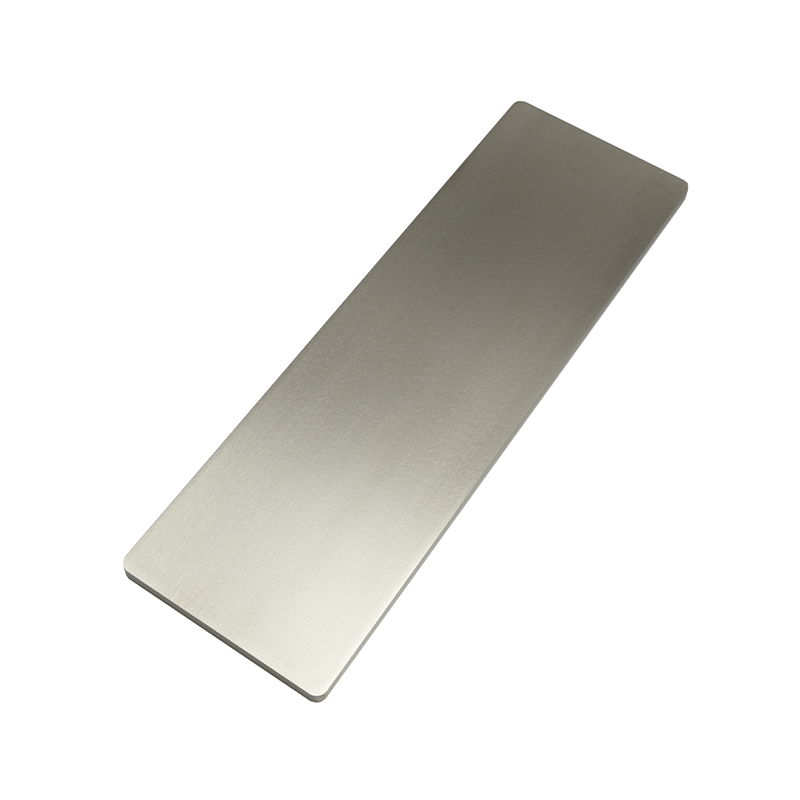 Titanium platePurity: 99.9-99.9995% Maximum Size: Customizable Maximum Weight: Customizable Packaging: Vacuum-packed wooden crate with pearl cotton insertView Product →
Sector by Sector: Where the Same Metals Go
The purity discipline that implant makers need is shared with several other industries, which matters when volumes are small or lead times are tight.
- Biomedical: bone plates, spinal rods, dental implants, instruments and porous coatings, usually in titanium, Ti-6Al-4V ELI and tantalum. Further detail sits on the biomedical industry page.
- Aerospace and aviation: high-temperature and corrosion-critical components, where tantalum, niobium and titanium serve structural and engine-adjacent parts.
- Semiconductors: sputtering targets and electronic-grade metals, where purity is measured in parts per million and the same melting discipline applies.
- Flat panel display and solar energy: copper and molybdenum targets and thin-film source materials.
- New energy: battery and hydrogen components that require controlled chemistry and low impurity levels.
Frequently Asked Questions
Is titanium always the most biocompatible metal?
No. Titanium is a strong default for bone contact because of its oxide layer and mechanical properties, but tantalum and niobium offer excellent corrosion resistance at higher density and cost, and cobalt-chromium offers better wear resistance where articulating surfaces are involved. The correct answer follows the contact type, the duration and the load.
Does "medical grade" mean a material is certified for implantation?
No. It is a grade designation rather than a certification. Check the standard and its revision, the test report, and the supplier's quality system. ISO 9001 and IATF 16949 describe manufacturing capability; device-level clearance is a separate regulatory process.
How is biocompatibility actually tested?
Through the ISO 10993 series, beginning with chemical characterization and in vitro cytotoxicity, then moving to sensitization, irritation, systemic toxicity and implantation studies as the contact category demands. Testing runs on the finished device or a representative sample, not on the raw alloy alone.
Can metal powder be reused in additive manufacturing?
Yes, with controls. Track oxygen and nitrogen content, particle size distribution and flowability between builds, set a maximum number of reuse cycles, and blend with virgin powder under a documented procedure.
Biocompatible materials are chosen with data, not adjectives. Fix the standard and the grade, tighten the interstitial window wherever fatigue or long-term contact is involved, and qualify the melt route and the surface treatment as carefully as the chemistry itself. Suppliers who control purification, melting and working under one roof make that easier to defend at an audit.
If you are specifying titanium, tantalum or niobium for a body-contacting part, send the drawing and the acceptance criteria and we will confirm what the process can hold.