English
Hydrogen Components: Material Selection, Purity, and Supply Chain Guide
Content
- 1 What Counts as a Hydrogen Component?
- 2 Purity, Inclusions, and Hydrogen Embrittlement: The Hidden Cost Drivers
- 3 Titanium Components: Corrosion Resistance Is Not the Whole Specification
- 4 Nickel and Copper Components: Conductivity With a Corrosion Budget
- 5 Specifying Hydrogen Components Without Overpaying
- 6 FAQ: Hydrogen Components and Material Selection
A hydrogen component rarely fails on the sales drawing. It fails at a weld toe, a stamped flow channel, or a connector thread where a trace impurity becomes a leak path. That is why hydrogen components are a materials and process problem as much as a machining problem. The category covers bipolar plates, porous transport layers, electrodes, current collectors, end plates, fittings, valves, storage vessels, and heat exchangers used in electrolyzers, fuel cells, and hydrogen storage.
A useful buying rule: specify the metal by function, form, finish, and test method rather than by a generic grade name alone. That rule changes the specification in some places and saves cost in others.
What Counts as a Hydrogen Component?
In a hydrogen system, “component” can mean anything from a stack plate to a tube fitting. The material risk changes with the service environment: wet or dry, acidic or alkaline, pressurized or cyclic, and whether the part carries current or only fluid.
- Bipolar plates and flow fields: separate gases, carry current, and manage water. Flatness, surface finish, and coating adhesion matter as much as bulk chemistry.
- Porous transport layers and gas diffusion layers: move gas and water while conducting electricity. Porosity, pore size, and thickness tolerances drive performance.
- Electrodes and catalysts: need high surface area and controlled impurities. Nickel and nickel-based materials are common in alkaline systems.
- Current collectors, busbars, and connectors: copper and nickel are typical because conductivity is the main duty.
- End plates, tie rods, and structural parts: strength and corrosion resistance matter, but weight and cost often dominate.
- Fittings, valves, regulators, and storage vessels: small material choices can create permeation, galling, or embrittlement risks.
A part that touches hydrogen does not automatically need the same alloy as a part that touches oxygen. Function first, then environment, then metal.
Purity, Inclusions, and Hydrogen Embrittlement: The Hidden Cost Drivers
A certificate that says 99.9% or 99.99% is a starting point, not a full material definition. Two titanium plates can meet the same chemistry and still behave differently if one has larger inclusions, a different grain structure, or a rougher surface. In hydrogen components, those differences show up as coating defects, contact resistance drift, pitting, or premature seal wear.
Hydrogen embrittlement is often discussed too broadly. High-strength steels are the classic concern; titanium, nickel, and copper behave differently, and titanium can still pick up hydrogen at high temperature or under cathodic conditions. The practical question is not “Is this metal immune?” but “What is the service temperature, potential, stress, and surface condition?”
| Material | Typical hydrogen component role | Why it is chosen | Procurement watch-out |
|---|---|---|---|
| Titanium plate, tube, powder | Bipolar plates, porous transport layers, heat exchangers | Corrosion resistance in wet oxidizing conditions; good strength-to-weight ratio | Hydrogen pickup, surface finish, coating adhesion, flatness |
| Nickel ingot, particle | Electrodes, catalysts, current collectors in alkaline systems | Corrosion resistance and conductivity in alkaline environments | Carbon and sulfur impurities, particle size distribution, sintered density |
| Copper rod, ingot | Current collectors, busbars, connectors | High electrical and thermal conductivity; easy to machine | Oxygen content, softness, thread wear, galvanic coupling |
| Niobium ingot | Specialty corrosion barriers and joining | Corrosion resistance and high-temperature stability | Cost, machining, supply lead time |
Titanium Components: Corrosion Resistance Is Not the Whole Specification
Titanium is a common choice for the oxygen side of proton-exchange membrane electrolyzers because it resists the acidic, oxidizing environment. It also appears in heat exchangers, porous transport layers, and structural parts where low weight and corrosion resistance matter. But “titanium” is too broad a purchase description. Grade, interstitial content, surface finish, and flatness all affect how a titanium component performs.
For bipolar plates, contact resistance and coating adhesion are often the limiting factors. A plate can pass a chemistry certificate and still cause stack efficiency loss if the surface is too rough or the passivation layer is uneven. For porous transport layers, pore size and permeability matter more than the mill certificate alone. For tube and heat-exchanger parts, wall thickness tolerance and bend quality can decide whether the assembly seals on the first try.
 High-Purity Titanium Plate for Demanding ComponentsReview this titanium plate for corrosion-resistant parts where surface condition, flatness, and application-specific testing should be agreed beyond alloy grade alone.View Product →
A practical specification should state the test method for flatness, surface roughness, and inclusion level, not just the alloy grade. If the part is coated, agree on a coupon test that mimics the coating process and the service environment.
Nickel and Copper Components: Conductivity With a Corrosion Budget
Nickel is often used in alkaline electrolyzers and in catalyst or electrode forms where corrosion resistance and electrical conductivity both matter. Nickel ingot and nickel particle are not interchangeable: one becomes a machined or wrought part, the other may be sintered, sprayed, or used as a catalyst precursor. Impurity limits should follow the manufacturing route. Carbon, sulfur, and oxygen can be more damaging in a sintered electrode than in a solid ingot.
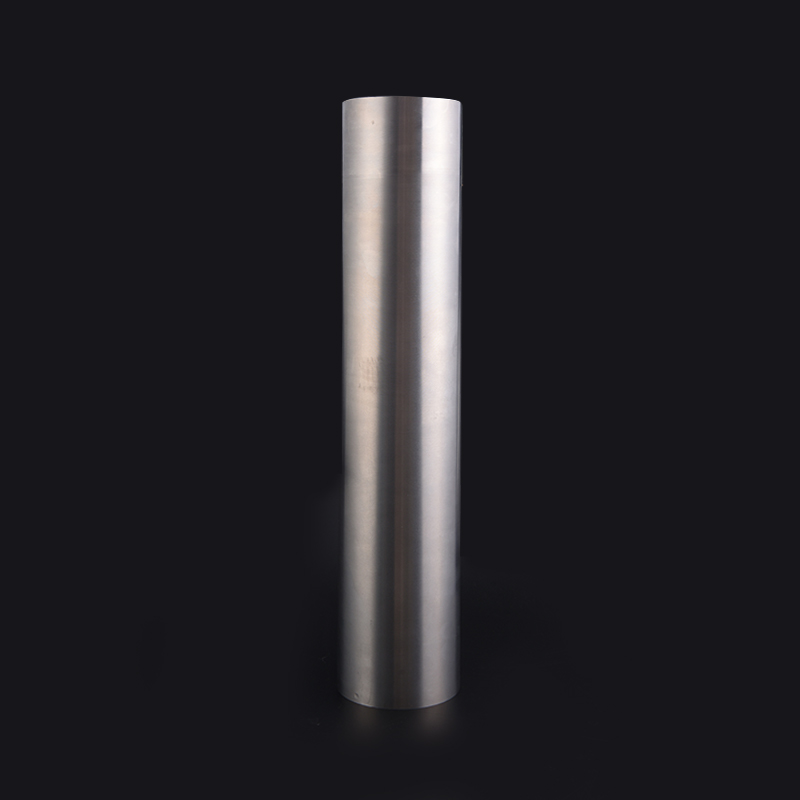 High-Purity Nickel Ingot for Semiconductor and Alloy UseConsider this nickel ingot when a wrought or machined high-purity nickel input is needed; its purity and impurity control suit semiconductor, coating, and alloy applications.View Product →
Copper is the default for current collectors, busbars, and connectors because its conductivity is hard to beat at the price. The trade-off is softness and galvanic coupling. Threaded copper connectors can wear or gall; copper-to-titanium joints can corrode if moisture and dissimilar metals meet without protection. Oxygen content and temper also affect bend formability and resistance spot welding.
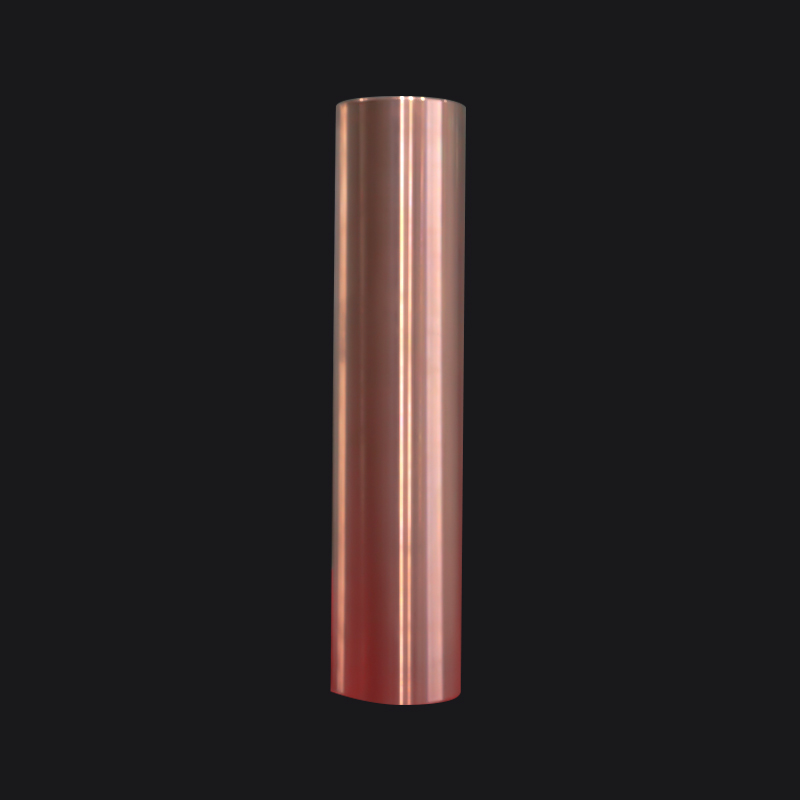 High-Purity Oxygen-Free Copper Rod for Electrical ComponentsView this copper rod for current-carrying parts where high purity, conductivity, and oxygen control matter; define temper and joint protection separately from sealing.View Product →
In a hydrogen component bill of materials, separate the current-carrying function from the sealing function. A copper conductor should not be asked to double as a structural seal without a defined washer, coating, or isolation strategy.
Specifying Hydrogen Components Without Overpaying
Over-specification is common in hydrogen projects because the cost of a leak or a stack failure is high. The answer is not to buy every metal at the highest purity; it is to put the tightest control on the features that actually affect performance. A short specification review usually pays for itself before the first purchase order.
- Define the function in one sentence: current collector, corrosion barrier, flow field, seal, or structural support. If the sentence contains two functions, split the part or define which function dominates.
- Set chemistry and inclusion limits by test method. “High purity” is not a specification; a maximum inclusion size and a sampling plan are.
- Control surface finish, flatness, and edge quality for plates and sealing faces. These features drive contact resistance, gasket life, and leak rate.
- Agree on a corrosion and hydrogen compatibility test that matches the service environment. Use the same water chemistry, temperature, and potential the part will see.
- Require traceability from melt to finished part. Heat number, mill certificate, process route, and coating batch should be linkable.
- Check lead time and minimum order quantity against the project schedule. A small change in flatness or coating can add weeks.
If your program sits in electrolyzer, fuel-cell, or hydrogen storage balance of plant, the new energy industry page shows how these material choices connect to the wider system. CRNMC produces ultra-high-purity titanium, nickel, copper, niobium, cobalt, tantalum, molybdenum, and alloys in crystal, ingot, plate, powder, tube, rod, target, and custom forms. Our five production bases and ISO 9001 / IATF 16949 quality system support traceability and repeatable delivery, and our team includes 40 metallurgists who work on purification, melting, casting, and machining. That matters when a hydrogen component needs a material certificate and a process capability study in the same project.
For a specific part, send the drawing, the service environment, and the test standard to our contact page. A short review of the material and test plan is usually faster than a late-stage failure analysis.
FAQ: Hydrogen Components and Material Selection
Which metal is best for hydrogen components?
There is no single best metal. Titanium is common on the oxygen side of PEM electrolyzers and in corrosion-resistant structural parts. Nickel is common in alkaline electrodes and catalysts. Copper is common in current collectors and busbars. The service environment decides the shortlist; the manufacturing route decides the grade and form.
Does higher purity always improve performance?
No. Higher purity can help, but inclusion size, grain structure, surface finish, and coating quality can matter more. A 99.99% plate with a poor surface finish may underperform a well-processed 99.9% plate in a coated bipolar-plate application.
How do you test hydrogen compatibility?
Use a combination of corrosion testing, permeation or embrittlement assessment, conductivity measurement, and pressure or thermal cycling that matches the service condition. The test plan should be agreed before the first production lot, because different test methods can rank materials differently.
What should buyers watch in the first production run?
Watch flatness, surface roughness, inclusion count, and coating adhesion. Also confirm that the heat number on the certificate matches the finished part. Small process changes at the mill or coater can shift these features without changing the alloy name.
The bottom line: hydrogen components are not a commodity category. They reward a specification that links metal, form, finish, and test method to the actual service duty. Start with the function, set measurable limits, and verify the process route. That approach controls cost without trading away the reliability the system needs.