English
What is Special About Billet
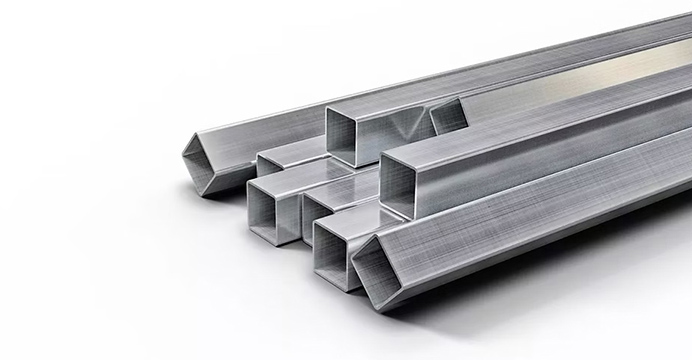
Ever wondered what makes billet materials so special? Billet plate stands out due to its strength, precision, and wide range of applications. In this post, we'll explore the manufacturing process, benefits, and key differences between billet and cast materials. You'll also learn why billet plate is crucial in industries like aerospace and automotive.
What is Special About Billet?
Billet is a solid block of metal, typically created through continuous casting or hot rolling. It’s known for its dense, compact structure and uniform grain pattern. This makes billet materials highly reliable and suitable for industries that demand precision, such as aerospace, automotive, and medical sectors.
The uniqueness of billet lies in its strength and versatility. Unlike cast materials, which can have internal voids and less uniform structures, billet has a higher tensile strength and better surface finish. This is particularly crucial in industries like aerospace, where parts must endure high-stress conditions.
Billet plate, specifically, is used in various high-performance applications. For example, aerospace components require billet plates for critical structural elements like turbine blades and brackets. In the automotive industry, billet plates are used for custom engine parts, offering superior strength and precision. The medical field also uses billet materials for devices that require intricate designs and robust durability.
Billet's precise manufacturing process makes it the go-to material for custom, low-quantity, high-strength parts, unlike mass-produced cast materials. This makes it perfect for tailored applications, whether in machinery, medical tools, or racing engines.
How is Billet Made?
The manufacturing process of billet involves several critical steps, including continuous casting, hot rolling, and machining. These processes ensure that billets are produced with the right dimensions, strength, and surface finish.
1. Continuous Casting
a. In the first step, molten metal is poured into molds and cooled to form solid blocks. This is known as continuous casting. The solidified blocks are then cut to the required length, ready for further processing.
2. Hot Rolling
a. The billet is then heated to high temperatures and passed through rollers. This process, called hot rolling, reduces the thickness and refines the material's structure. Hot rolling also helps to eliminate defects, ensuring uniformity.
3. Machining
a. After hot rolling, the billet may undergo additional machining, like CNC (computer numerical control) processing, to refine its shape. This step ensures precision and smoothness, especially for billets used in custom parts.
The Billet Production Process requires strict quality control to ensure consistency in material properties, such as tensile strength and surface finish. Uniformity is critical, as even small inconsistencies can impact the performance of the final product, especially in high-stress applications like aerospace or automotive industries. By controlling every step, manufacturers ensure the billet meets the exact specifications needed for its intended use.
Unique Features of Billet
Billet Materials stand out due to their unique features, which make them highly suitable for demanding applications. Here are some of the key characteristics:
● Dense and Compact Structure
● Billets have a solid and tightly packed structure. Unlike cast materials, which may contain air pockets, billets have ahigher density, offering better strength and durability.Uniform and Refined Grain Structure
● The grain structure in billets is highly uniform, resulting from controlled manufacturing processes like hot rolling. This uniformity enhances the material’s performance, making it more reliable for precise, high-stress applications.
● Billets, particularly billet plate, offer significantly higher tensile strength compared to cast materials. This makes themideal for parts that must withstand heavy stress, such as aerospace components and racing engine parts.
● Billet materials are more ductile, meaning they can bend and stretch without breaking. This is especially valuable for industries that require materials to be formed into complex shapes without compromising their structural integrity.
● Billet plate tends to have a smoother surface finish compared to cast parts. This reduces the need for additional post-processing, saving both time and costs.These features make billet materials, especially billet plate, the preferred choice for high-performance parts in industries like aerospace, automotive, and medical devices.